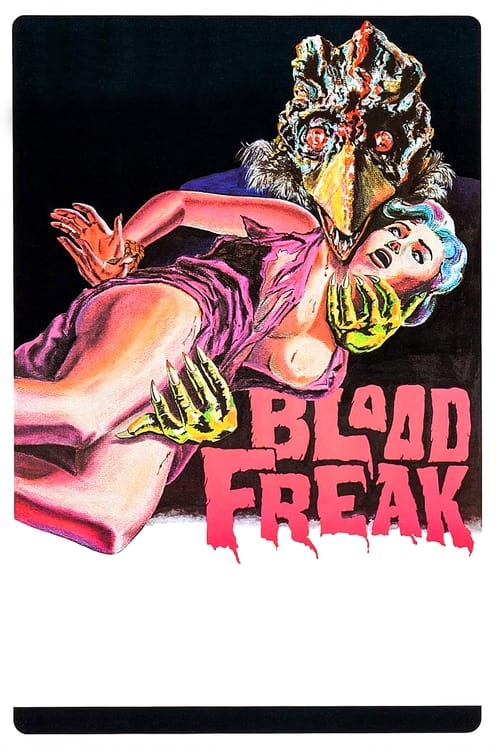
Blood Freak
1972
No user ratings available yet
Diversity score: 2.6 out of 10
1965
ApprovedDirector
Daniel Haller
Runtime
80 minutes
Average Rating
No ratings yetSynopsis
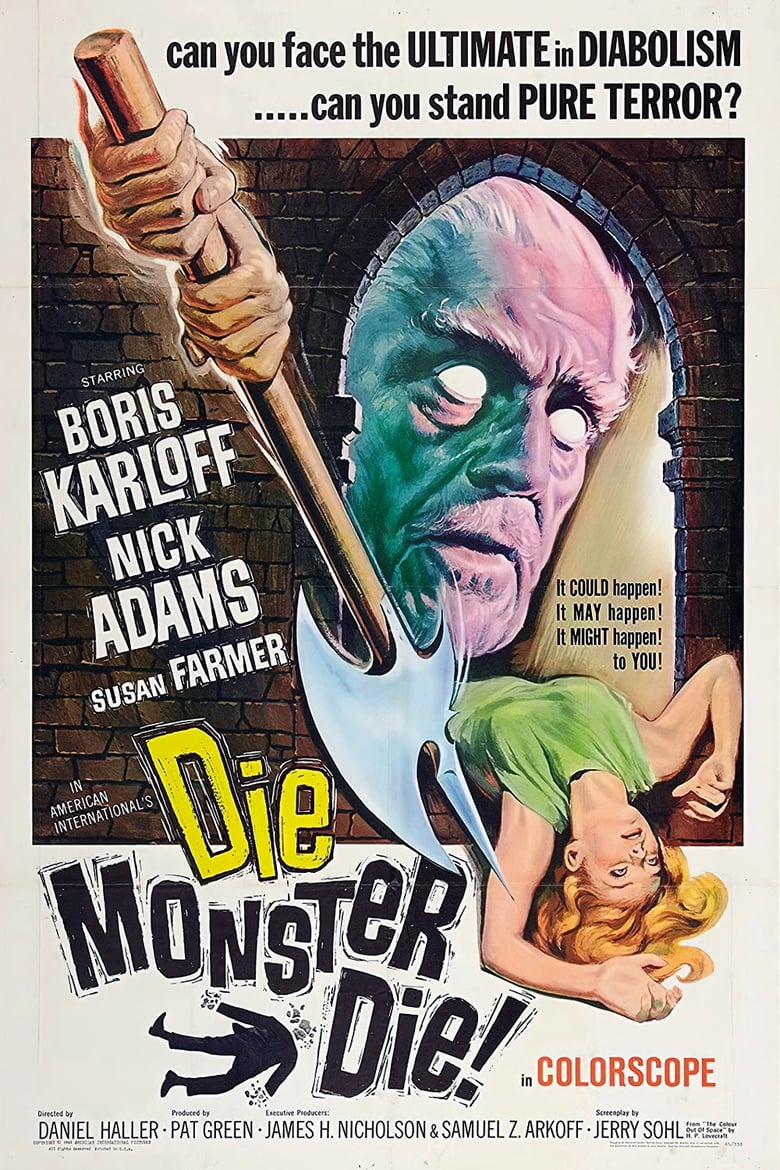
A young man visits his fiancé's estate to discover that her wheelchair-bound scientist father has discovered a meteorite that emits mutating radiation rays that have turned the plants in his greenhouse to giants. When his own wife falls victim to this mysterious power, the old man takes it upon himself to destroy the glowing object with disastrous results.
Overall Score
Limited
Category Breakdown
LGBTQ+ Representation
The film lacks any discernible LGBTQ+ characters or explorations of non-heteronormative identities. The romantic architecture is centered on a traditional engagement.
Gender Representation
Male characters serve as the primary drivers of technical problem-solving and plot progression. Female characters are largely positioned as romantic interests or subjects requiring protection.
Racial & Ethnic Diversity
The casting is predominantly homogeneous, reflecting standard 1960s production norms. There is no evidence of characters of color possessing significant agency.
Religious & Cultural Diversity
The film functions as a straightforward creature feature prioritizing survivalist tropes. It does not engage with anti-Western, anti-capitalist, or anti-religious themes.
Disability Representation
A wheelchair-bound scientist is introduced as a character descriptor. The narrative uses this trait within a traditional scientific archetype rather than exploring lived experience.
Strengths
Areas for Improvement
AI Analysis
Die, Monster, Die! is a quintessential product of its era, adhering strictly to mid-century genre conventions. The narrative structure reinforces existing social hierarchies rather than attempting to subvert them through diverse casting or progressive themes. While the film includes a character with a physical disability, it remains within the bounds of traditional tropes. The lack of demographic variety and the reliance on standard gendered roles result in a narrow social landscape. Ultimately, the film functions as a standard science fiction piece that prioritizes creature-feature mechanics over any meaningful exploration of identity or cultural diversity.
1972
1962
1957
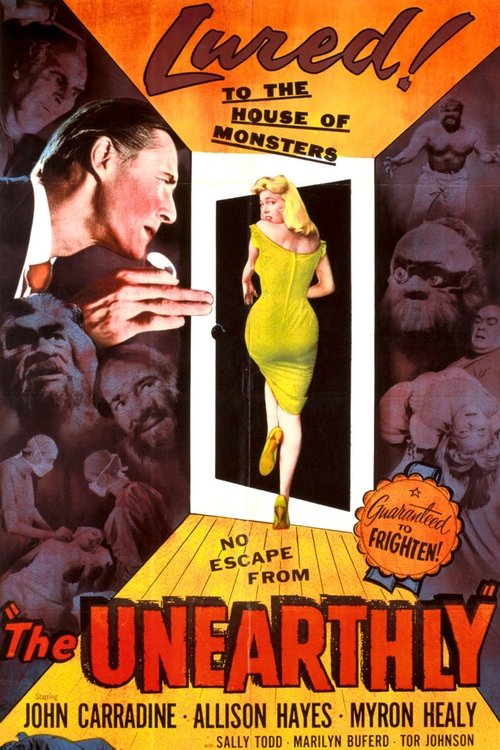
1957
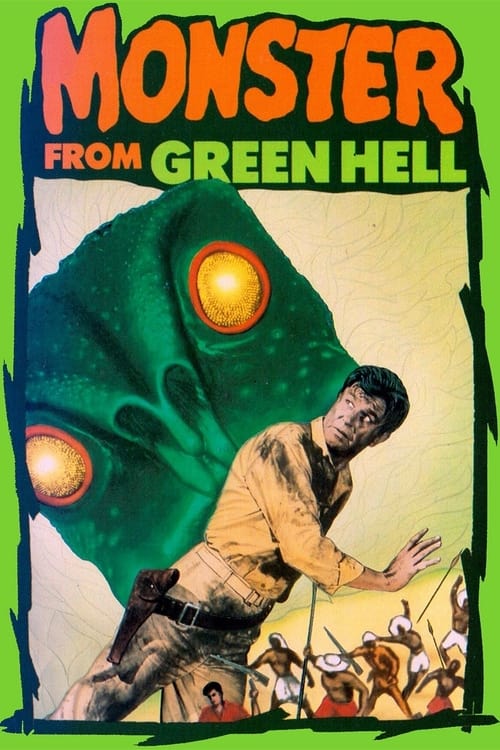
1957
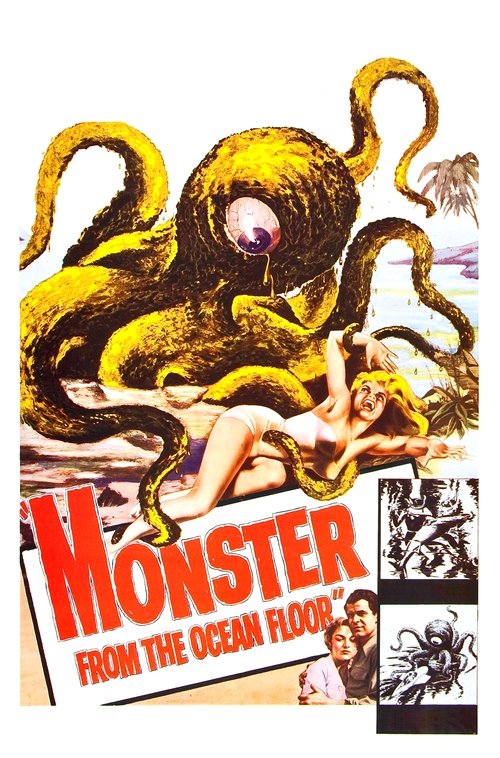
1954
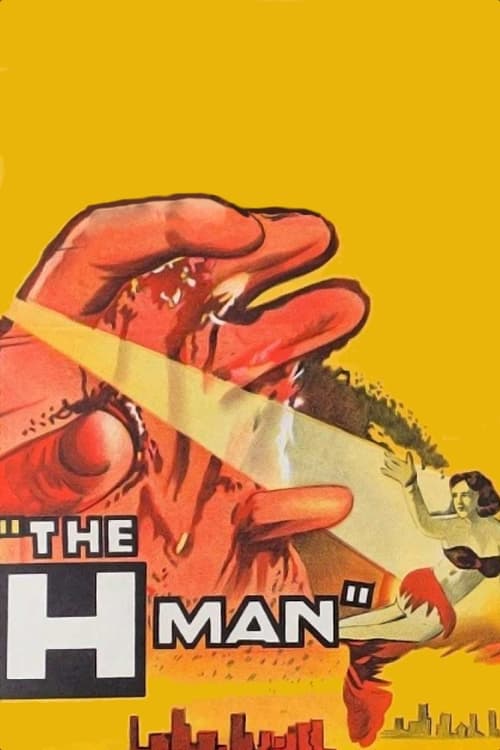
1958
1959
1959
1955
1967
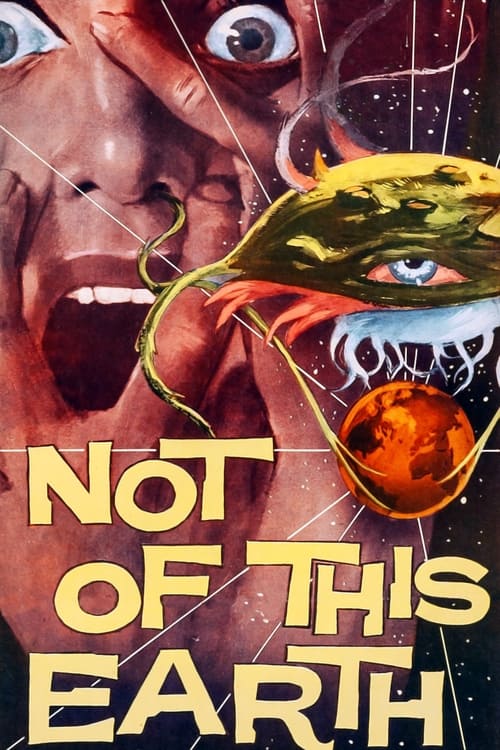
1957
No reviews yet. Be the first to share your thoughts on this movie!
Use the rating form above to leave a star rating and optional review.