
The H-Man
1958
No user ratings available yet
Representation score: 2.3 out of 10
Representation Score
Limited
1962
NRDirector
Gene Nelson
Runtime
58 minutes
Average Rating
No ratings yetNew Showbiz Analysis
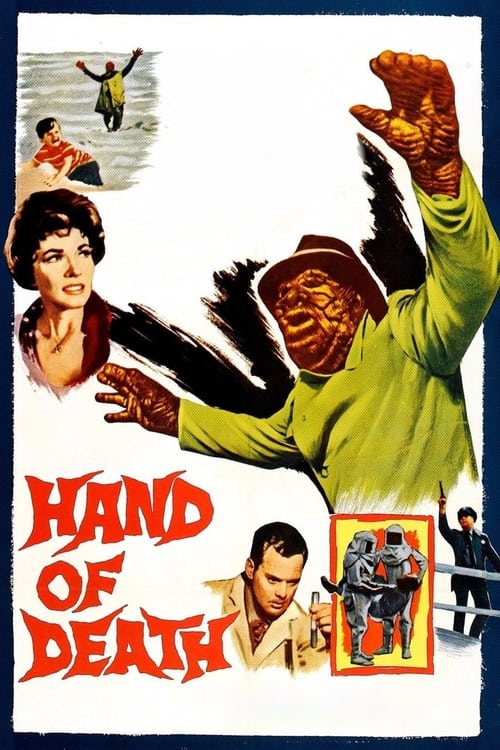
Hand of Death is a product of the mid-century studio system, adhering strictly to the social hierarchies and conventional narrative structures of 1962. The film prioritizes established clichés over complex explorations of identity. The narrative is driven by a singular male protagonist, leaving little room for diverse perspectives or critical examinations of societal issues. It functions as a traditional cautionary tale within the science fiction and horror genres. Ultimately, the film lacks the depth and ideological framework needed to challenge the era's standard cinematic conventions.
Category Breakdown
The film focuses on a scientific experiment and its biological consequences. There is no mention of non-straight or non-cisgender identities or critiques of the assumption that everyone is straight or cisgender.
The story centers around a male scientist and his transformation. Female characters tend to have secondary or reactive roles, lacking significant influence in the main storyline.
The film likely features a predominantly white cast, reflecting the casting standards of 1962. There is no indication of diverse racial or ethnic representation in the cast.
The narrative follows a typical cautionary tale about scientific ethics from the mid-20th century. It does not include any significant critiques of Western or secular values, sticking to traditional morality themes.
The protagonist's loss of bodily autonomy is portrayed through a horror monster cliché. This serves as a plot device rather than a detailed exploration of living with a disability.
Present on Screen
Limited or Absent
Official Synopsis
A scientist spills a new serum in his lab, accidentally inhales its fumes, and turns into a murderous monster who kills anyone he touches.
1958
1955
1965
1957

1957
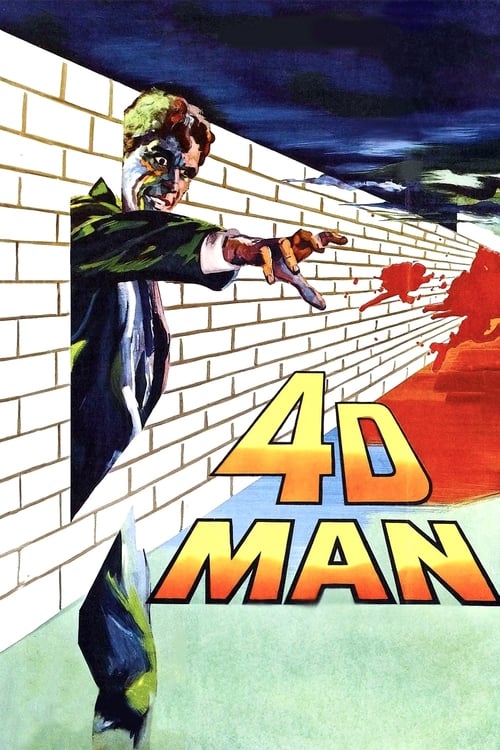
1959

1978
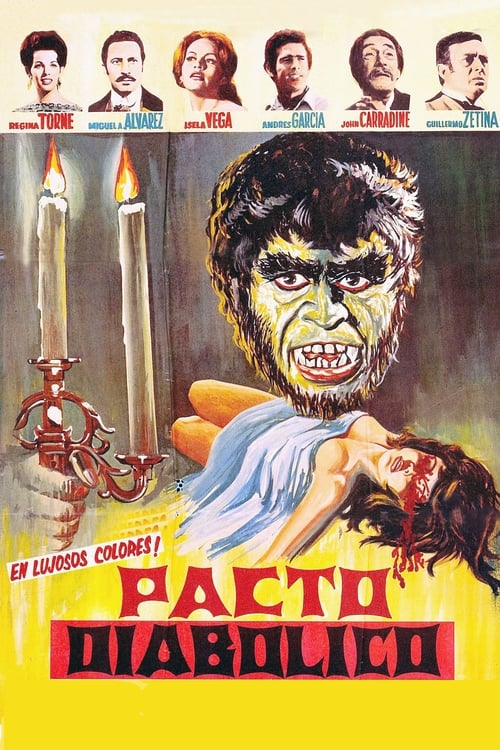
1969
No reviews yet. Be the first to share your thoughts on this movie!
Use the rating form above to leave a star rating and optional review.