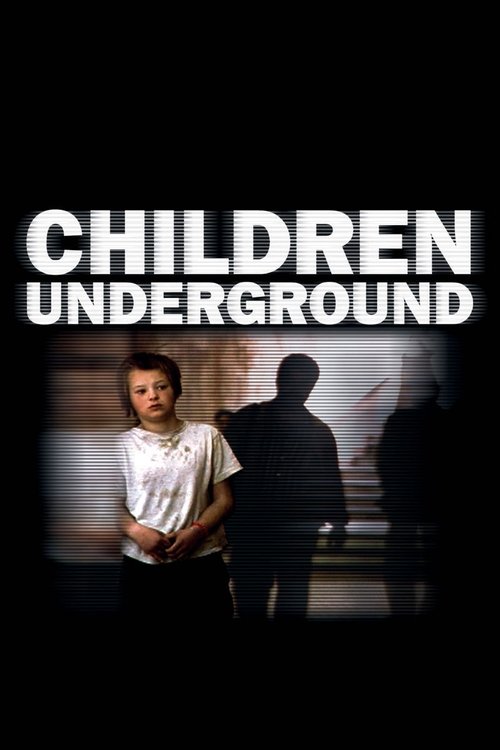
Children Underground
2001
No user ratings available yet
Diversity score: 6.6 out of 10
2006
Director
Mark Verkerk
Runtime
97 minutes
Average Rating
No ratings yetSynopsis
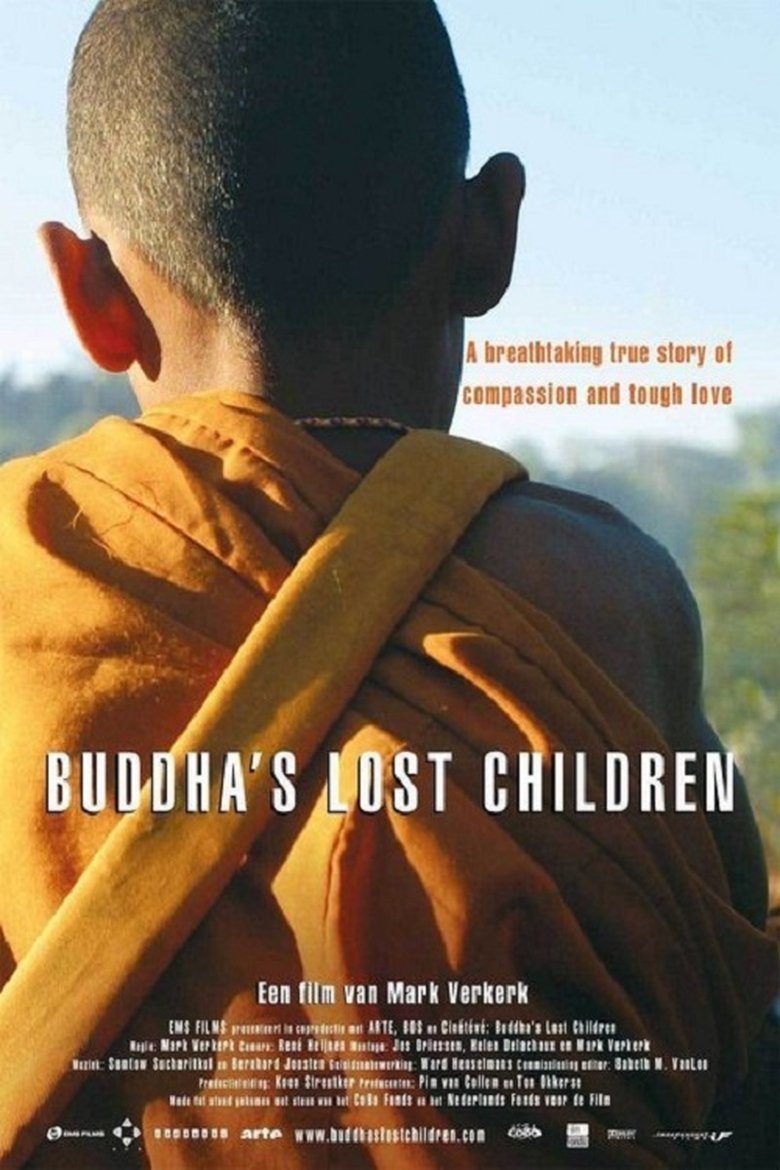
Buddha's Lost Children is a feature-length documentary film about a Thai Buddhist monk who, armed only with his master boxing skills, wages an inspirational battle to help orphaned children, fight drug abuse, and preserve a vanishing way of life.
Overall Score
Good
Category Breakdown
LGBTQ+ Representation
The film focuses on Buddhist monasticism and the social struggles of orphaned children in Thailand. There is no explicit evidence regarding the depiction of queer narratives or non-cisnormative identities.
Gender Representation
The narrative centers on a male protagonist using traditional masculine skills like Muay Thai. There is a lack of visible female agency or explicit subversion of gender roles in the overview.
Racial & Ethnic Diversity
The documentary provides high levels of diversity by centering a non-Western narrative. It disrupts the conventional Western-centric gaze by focusing on a Thai Buddhist community.
Religious & Cultural Diversity
The film highlights a Buddhist framework for social welfare and communal care. It prioritizes non-Western spiritualities and indigenous ways of life over Western institutional norms.
Disability Representation
The mention of orphaned children implies social vulnerability and potential developmental instability. However, there is no specific evidence regarding the depiction of physical or sensory disabilities.
Strengths
Areas for Improvement
AI Analysis
Buddha's Lost Children succeeds as a culturally significant documentary that shifts the lens away from Western-centric storytelling. By centering a Thai Buddhist community, it provides a platform for Southeast Asian agency and non-Western social structures. However, the film's scope appears narrow regarding identity politics. The narrative is driven by a male protagonist and traditional masculine skills, leaving little room for diverse gender expressions or queer representation. Ultimately, the film is a strong exploration of non-Western communal values, even if it lacks breadth in representing specific marginalized identities like LGBTQ+ or disabled individuals.
2001
1975
2008
2010
2019
2012
2005
2016
2008
2020
2013

1984
No reviews yet. Be the first to share your thoughts on this movie!
Use the rating form above to leave a star rating and optional review.