
Air Taxi
1943
No user ratings available yet
Diversity score: 3.7 out of 10

1940
NRDirector
King Vidor
Runtime
90 minutes
Average Rating
No ratings yetSynopsis
An American reporter smuggling news out of Soviet Moscow is blackmailed into helping a beautiful Communist leave the country.
Overall Score
Fair
Category Breakdown
LGBTQ+ Representation
The film adheres to 1940s social norms. There is no presence of non-cisnormative identities or same-sex intimacy, as the plot relies on heterosexual romantic tension.
Gender Representation
Traditional gender hierarchies dominate the narrative. While the female lead is central to the plot, the American journalist maintains primary agency and intellectual leadership.
Racial & Ethnic Diversity
The cast is predominantly white, reflecting the film's historical and geopolitical context. There is a lack of intersectional representation or color-blind casting.
Religious & Cultural Diversity
The film offers a sophisticated critique of institutional power and the Soviet state. It explores the corruption of truth within a centralized, secular power structure.
Disability Representation
There is no evidence of characters with visible or invisible disabilities serving as central figures or plot devices.
Strengths
Areas for Improvement
AI Analysis
Comrade X is a period piece that reflects the social and casting norms of 1940. It lacks diversity in terms of race, gender agency, and LGBTQ+ representation, focusing instead on a white, heterosexual romantic core. However, the film excels in its cultural critique. It provides a nuanced deconstruction of state-sponsored propaganda and the oppressive nature of totalitarianism. This intellectual engagement with systemic corruption elevates its narrative depth. Ultimately, the film is a study of individual agency versus state ideology, trading demographic variety for a complex exploration of political truth.
1943

1935

1934

1936
1937

1964

1935

1943

1939

1940

1937
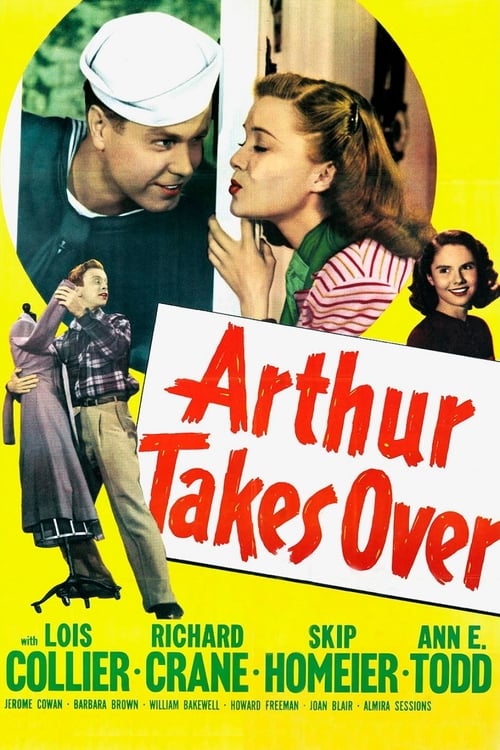
1948
No reviews yet. Be the first to share your thoughts on this movie!
Use the rating form above to leave a star rating and optional review.