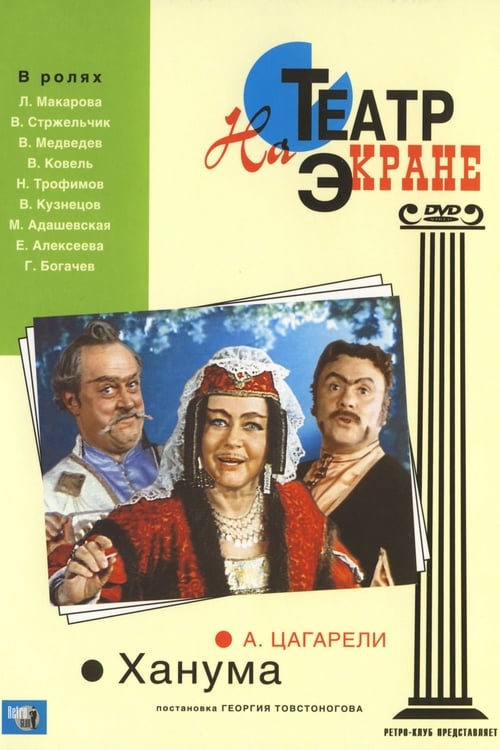
Khanuma
1978
No user ratings available yet
Representation score: 5.5 out of 10
Representation Score
Limited
1935
Director
Iosif Kheifits, Aleksandr Zarkhi
Runtime
90 minutes
Average Rating
No ratings yetNew Showbiz Analysis
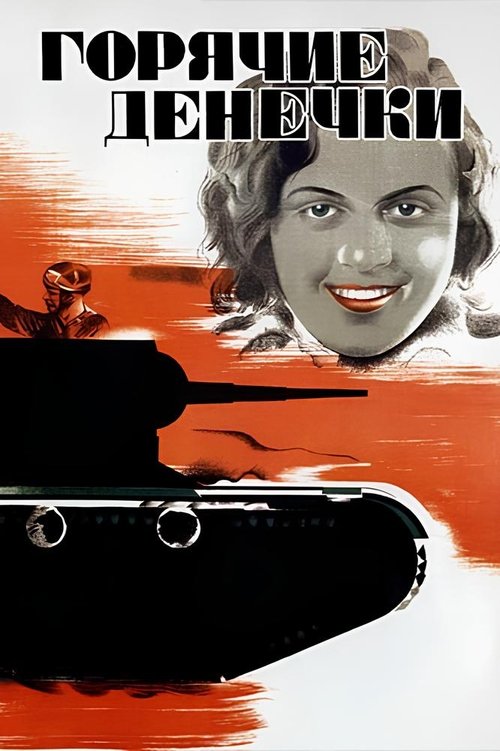
Hectic Days is a product of the Socialist Realism era, serving more as a cultural artifact than a modern, diverse narrative. It adheres strictly to the social hierarchies and demographic norms of 1930s Soviet cinema. The film's strength lies in its authentic representation of the period's communal values and its rejection of Western capitalist individualism. However, it lacks multi-layered complexity. Representation is limited by the era's clichés, particularly regarding gender dynamics and the absence of non-straight relationships. The narrative structure favors traditional masculine roles and a homogeneous Slavic cast.
Category Breakdown
The film does not include any characters with LGBTQ+ identities. The plot focuses on a charming womanizer, reinforcing traditional heterosexual relationships.
Female characters may be portrayed primarily as objects of male pursuit rather than as independent individuals. The womanizer cliché emphasizes traditional masculine dominance in the context of romantic comedies.
The cast likely consists of a homogeneous Slavic population typical of the time. The film does not prioritize diverse racial representation or feature non-Slavic actors.
The film aligns closely with Soviet socio-political values, emphasizing collective social utility over Western individualism. It reinforces communal norms and social cohesion.
There are no characters with visible or invisible disabilities featured in the narrative.
Present on Screen
Limited or Absent
Official Synopsis
A Soviet comedy about a charming womanizer.
1978
1962
1959
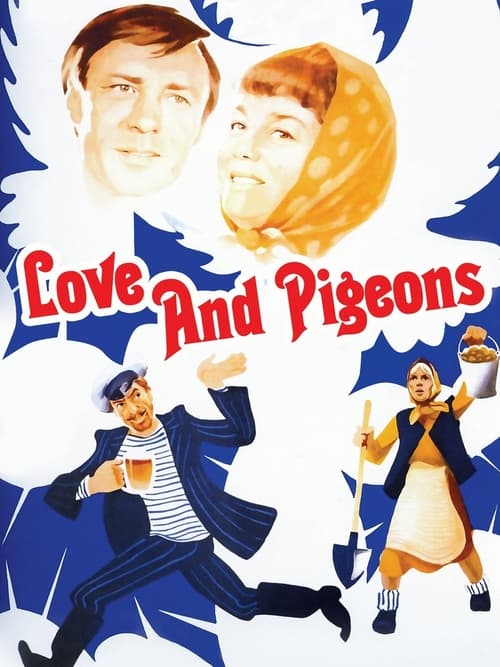
1984
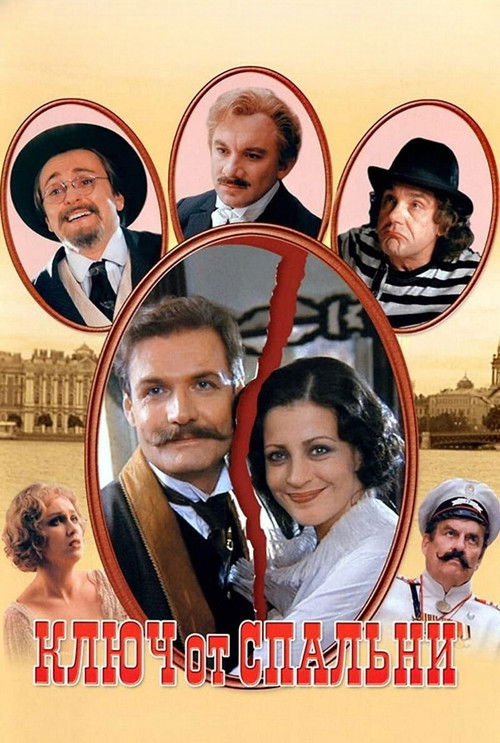
2003
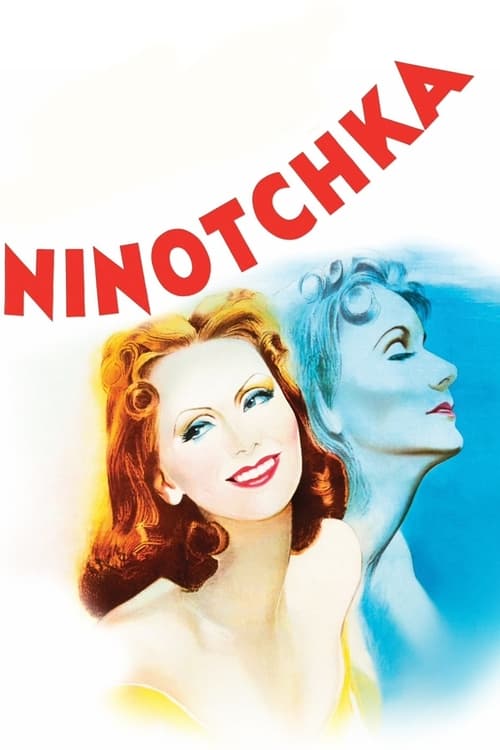
1939
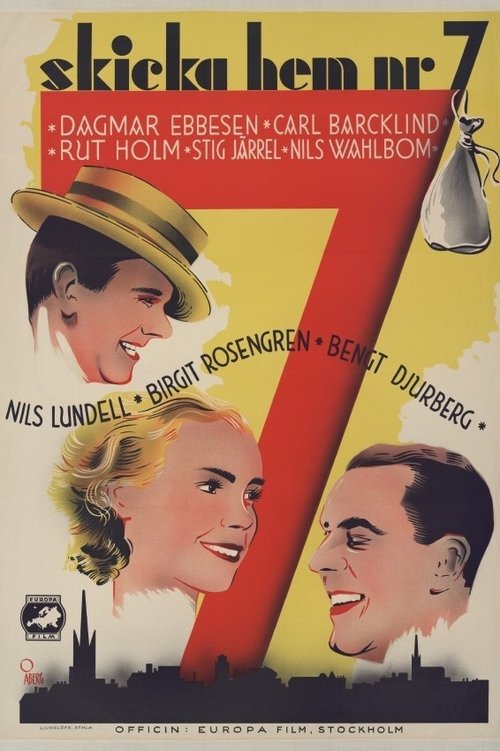
1937
1934
No reviews yet. Be the first to share your thoughts on this movie!
Use the rating form above to leave a star rating and optional review.