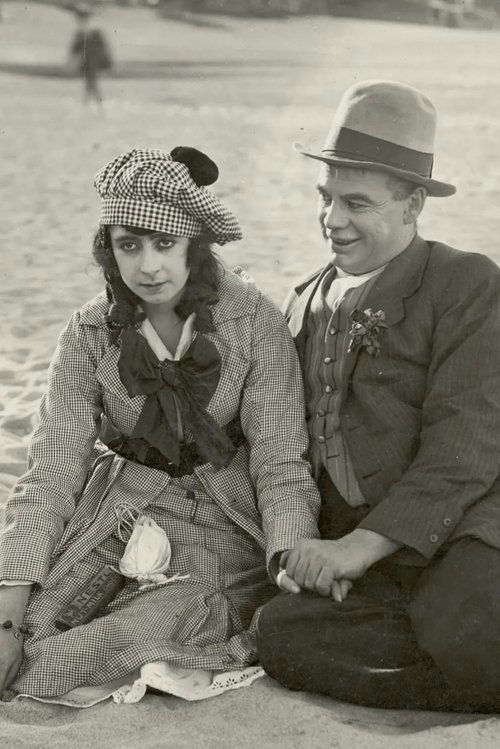
The Sentimental Bloke
1919
No user ratings available yet
Diversity score: 3.1 out of 10
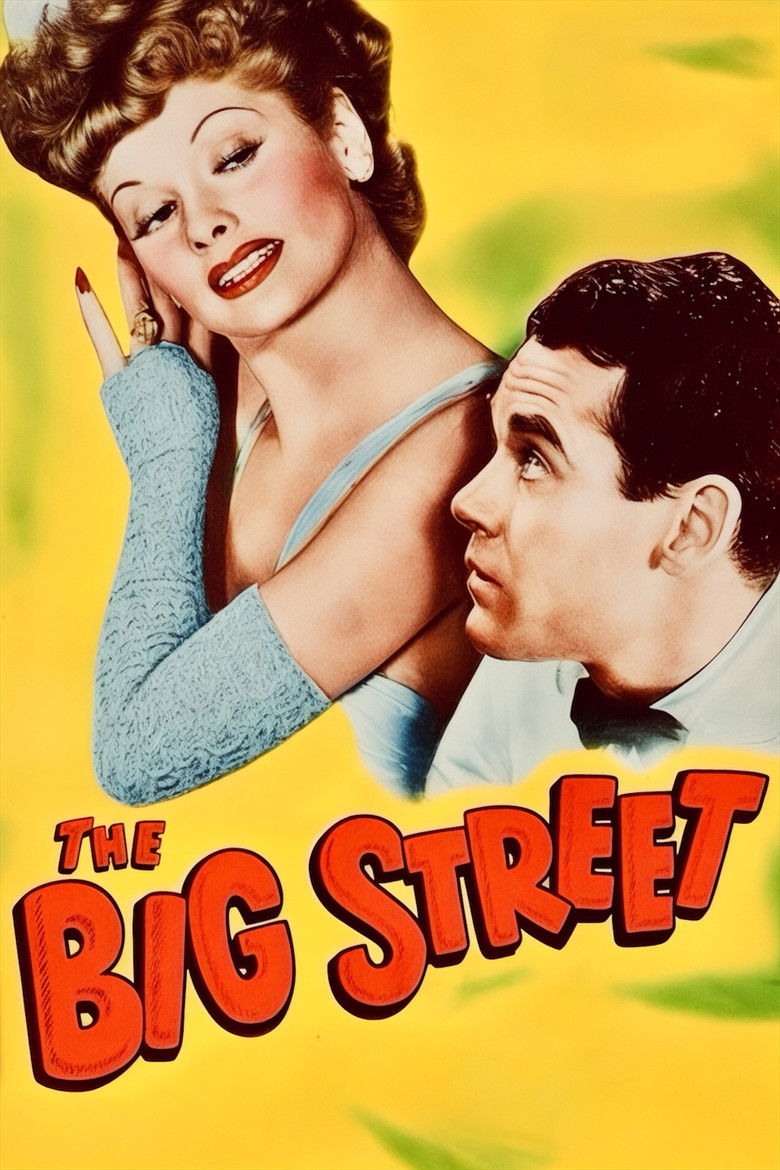
1942
ApprovedDirector
Irving Reis
Runtime
88 minutes
Average Rating
No ratings yetSynopsis
Meek busboy Little Pinks is in love with an extremely selfish nightclub singer who despises and uses him.
Overall Score
Limited
Category Breakdown
LGBTQ+ Representation
The film lacks any evidence of non-cisnormative identities or same-sex intimacy. The central romance follows a traditional heterosexual dynamic typical of 1942 studio productions.
Gender Representation
Characters rely on established archetypes, such as the selfish female singer and the meek male subordinate. This dynamic reinforces conventional, asymmetrical gendered power plays.
Racial & Ethnic Diversity
The production reflects the homogeneous casting norms of the early 1940s. It focuses on Western, Anglo-Saxon depictions of social class and romance.
Religious & Cultural Diversity
The story explores economic disparity through class friction between a busboy and a singer. However, it lacks a systemic critique of Western institutions or capitalism.
Disability Representation
There is no information regarding characters with visible or invisible disabilities in this narrative.
Strengths
Areas for Improvement
AI Analysis
The Big Street is a conventional mid-century melodrama that adheres to the social hierarchies of its era. It focuses on individual interpersonal conflicts rather than challenging systemic norms or providing intersectional complexity. The film relies heavily on traditional character archetypes and the strict censorship standards of the 1940s. This results in a narrative that prioritizes standard romantic dynamics and homogeneous casting over diverse representation.
1919
1939
1937
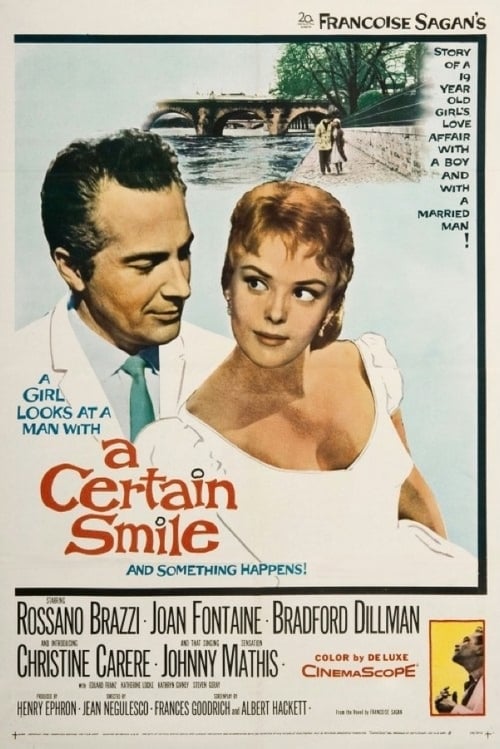
1958
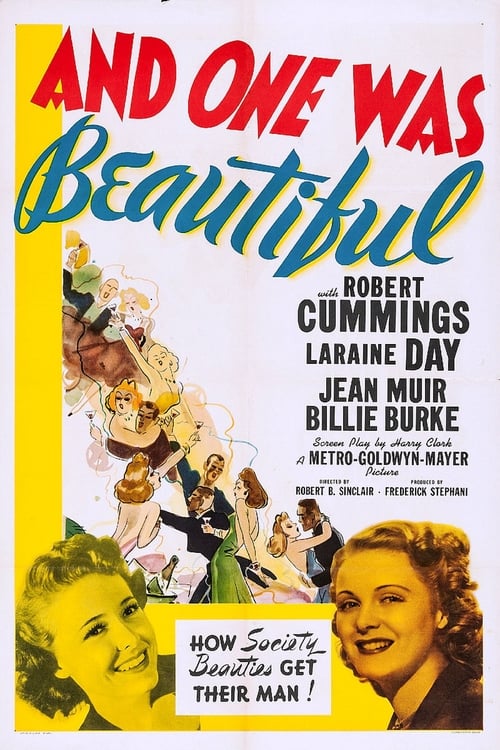
1940
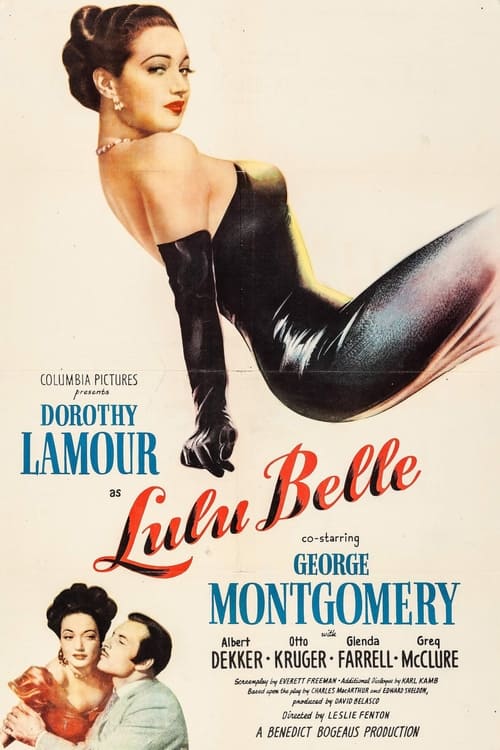
1948
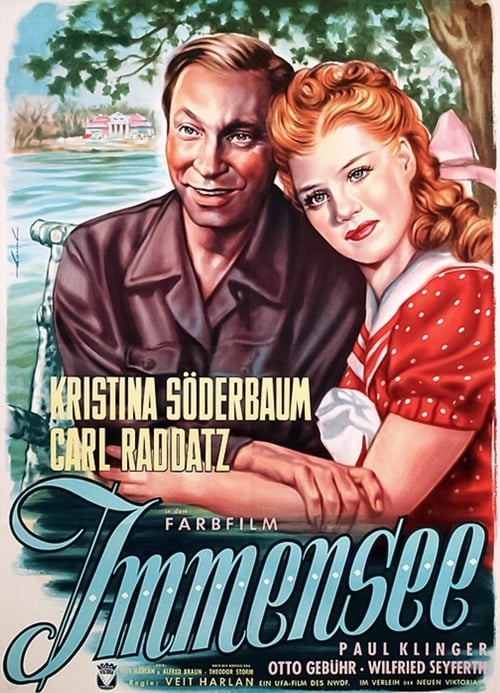
1943
1935
1938
1938
1934
1929
No reviews yet. Be the first to share your thoughts on this movie!
Use the rating form above to leave a star rating and optional review.