
The Manxman
1929
No user ratings available yet
Diversity score: 3.0 out of 10
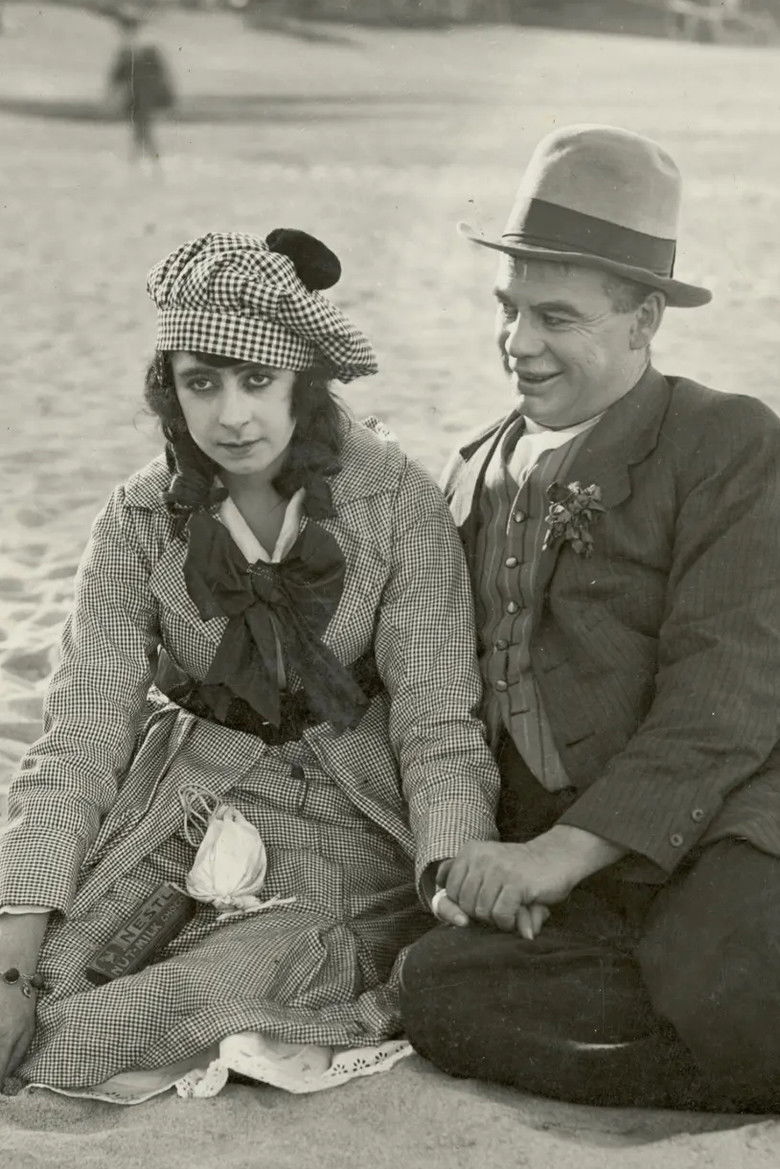
1919
Director
Raymond Longford
Runtime
106 minutes
Average Rating
No ratings yetSynopsis
Bill is a Woolloomooloo larrikin who vows to abandon his life of gambling and drinking after a spell in gaol following a raid on a two-up game. He falls in love with Doreen, who works in a pickle factory, but faces competition from a more sophisticated rival.
Overall Score
Limited
Category Breakdown
LGBTQ+ Representation
The narrative is strictly heteronormative. It focuses entirely on Bill's romantic pursuit of Doreen, with no queer subtext or non-cisnormative identities present.
Gender Representation
The film relies on the 'stabilizing feminine' trope. While Doreen provides emotional agency to guide Bill's reform, the central drama remains focused on his character arc.
Racial & Ethnic Diversity
The cast depicts a homogeneous white, working-class population. It does not engage with racial diversity, reflecting the specific focus on urban Australian larrikin identity.
Religious & Cultural Diversity
The film portrays working-class struggles with dignity but avoids systemic critique. It promotes individual moral reform through traditional domestic values rather than challenging social structures.
Disability Representation
There are no prominent depictions of physical or neurodivergent disabilities within the film's narrative or character studies.
Strengths
Areas for Improvement
AI Analysis
The film serves as a historical character study of class and personal reform rather than a vehicle for identity-based subversion. It captures the naturalism of 1919 Australia but remains bound by the era's social constraints. While the work offers a sympathetic view of the urban poor, it reinforces traditional hierarchies. The narrative structure prioritizes the male protagonist's journey toward social integration through domesticity. Ultimately, the film lacks intersectional complexity. It functions as a period-specific portrait of working-class life that adheres to conventional gender and racial norms of its time.
1929
1915
1930
1948
1931
1949
1919
1929
1919
1927
1921
1925
No reviews yet. Be the first to share your thoughts on this movie!
Use the rating form above to leave a star rating and optional review.