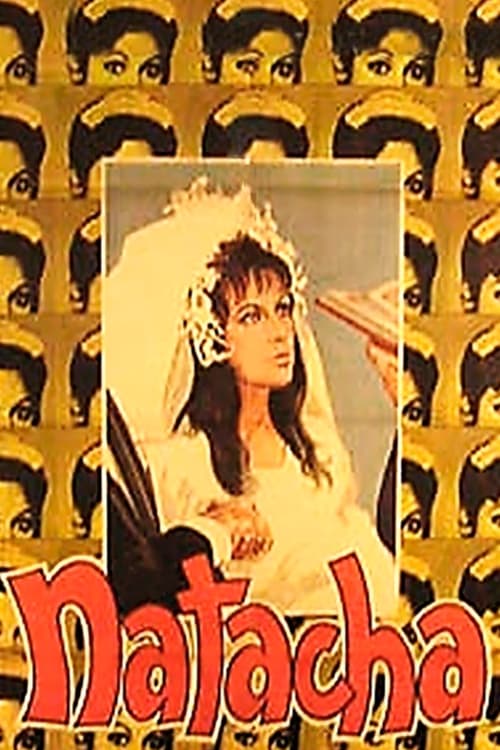
Natacha
1971
No user ratings available yet
Diversity score: 3.6 out of 10
No Poster Available
1938
ApprovedDirector
Nick Grindé
Runtime
75 minutes
Average Rating
No ratings yetSynopsis
Rita Santiago's father, Don Antonio, stubbornly refuses to give permission for her to marry Julio Bertolin, a struggling medical student, because he wants his daughter to marry a rich Brazilian. Because of this, Julio leaves medical school and determines to gain wealth and position for himself by becoming a singer.
Overall Score
Limited
Category Breakdown
LGBTQ+ Representation
The film lacks any depiction of non-cisnormative identities. The plot focuses entirely on a traditional romantic pursuit within a heteronormative framework.
Gender Representation
Rita Santiago's agency is limited by her father's authority. The story follows a patriarchal structure where female decisions are mediated by paternal permission.
Racial & Ethnic Diversity
The narrative introduces ethnic complexity through mentions of Brazilian nationality. This adds a layer of cross-border identity to the socioeconomic conflict.
Religious & Cultural Diversity
The story reinforces conservative social structures and familial honor. It centers on the preservation of the nuclear family and traditional Western institutions.
Disability Representation
There are no visible or invisible disabilities depicted within the character arcs or the central plot.
Strengths
Areas for Improvement
AI Analysis
Mis dos amores is a period melodrama that adheres strictly to the social hierarchies of 1938. The narrative is driven by class mobility and patriarchal control rather than any attempt to subvert established norms. The film's focus on a daughter's marriage permission and a man's pursuit of wealth through singing highlights a preoccupation with status and traditional gender roles. While it touches on international identity, it remains within the bounds of conventional romantic tropes. Ultimately, the work functions as a study of traditionalist values, offering little representation for marginalized identities or progressive social critiques.
1971
1931
1931
1974

1967
1926
1942

1930
1971

1938
1946
1943
No reviews yet. Be the first to share your thoughts on this movie!
Use the rating form above to leave a star rating and optional review.