China Clipper
1936
No user ratings available yet
Diversity score: 1.4 out of 10
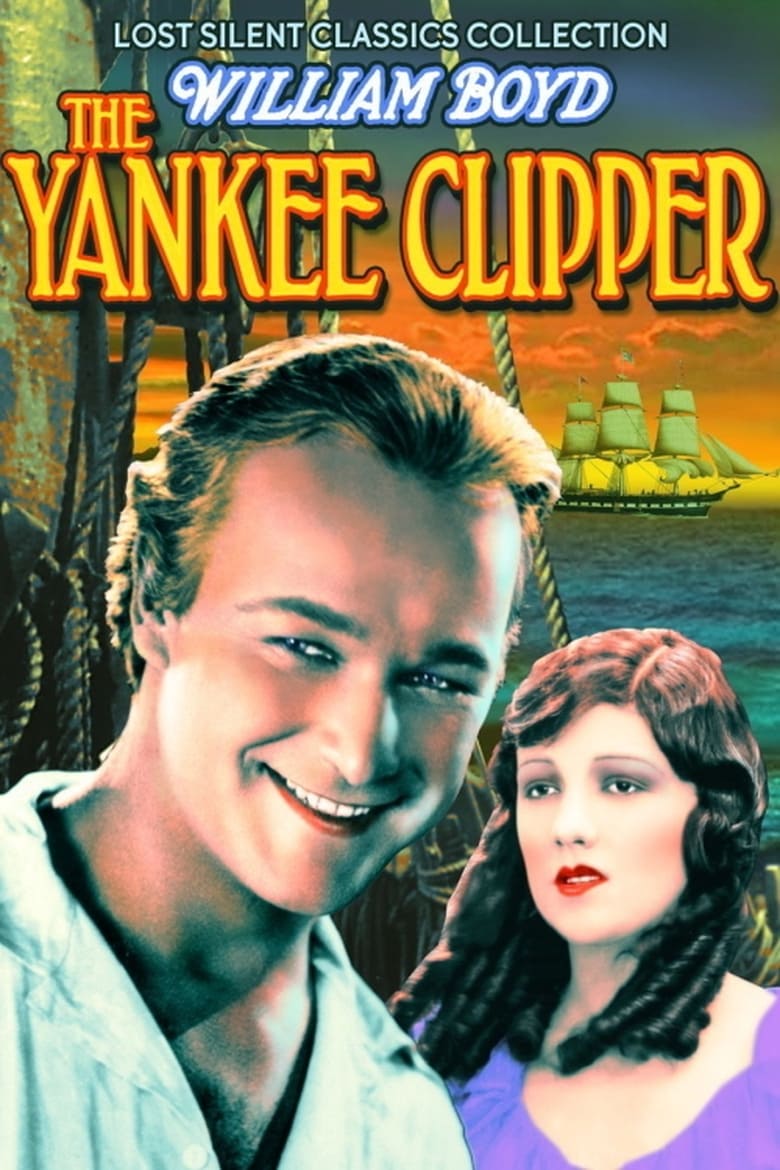
1927
Director
Rupert Julian
Runtime
88 minutes
Average Rating
No ratings yetSynopsis
A race between a British clipper ship and an American ship of a new design will determine the right to transport Chinese tea.
Overall Score
Limited
Category Breakdown
LGBTQ+ Representation
The film focuses on mid-19th-century maritime competition and nationalistic pride. There is no evidence of non-cisnormative gender identities or same-sex intimacy. The narrative adheres to traditional social structures.
Gender Representation
The story centers on male-driven pursuits of shipbuilding and maritime command. While Elinor Fair is a top-billed actress, primary agency remains with male characters. Leadership and professional expertise are portrayed as masculine domains.
Racial & Ethnic Diversity
The narrative focuses on the geopolitical rivalry between the United States and Great Britain. While the tea trade involves China, the perspective remains centered on Western protagonists. Characters of color lack high agency in the conflict.
Religious & Cultural Diversity
The film emphasizes Western institutions like the British monarchy and the American presidency. It celebrates mid-19th-century Western expansion and maritime dominance. The plot lacks diverse cultural perspectives or anti-Western critique.
Disability Representation
There is no discernible mention of characters with visible or invisible disabilities. The available plot documentation does not address disability representation.
Strengths
Areas for Improvement
AI Analysis
The Yankee Clipper is a period adventure drama that prioritizes nationalistic competition and maritime prestige. The narrative architecture is built around the rivalry between British and American shipbuilding, reinforcing the established social and geopolitical hierarchies of the 19th century. Representation is limited by the film's focus on Western industrialism and traditional leadership roles. The story centers on male protagonists driving the central conflict, while the international setting of the tea trade serves primarily as a backdrop for Western competition. Ultimately, the film functions as a conventional celebration of Western expansion. It lacks intentionality regarding intersectional representation, adhering instead to the era's standard tropes of maritime rivalry and masculine-coded professional expertise.
1936
1929
1925

1972

1924
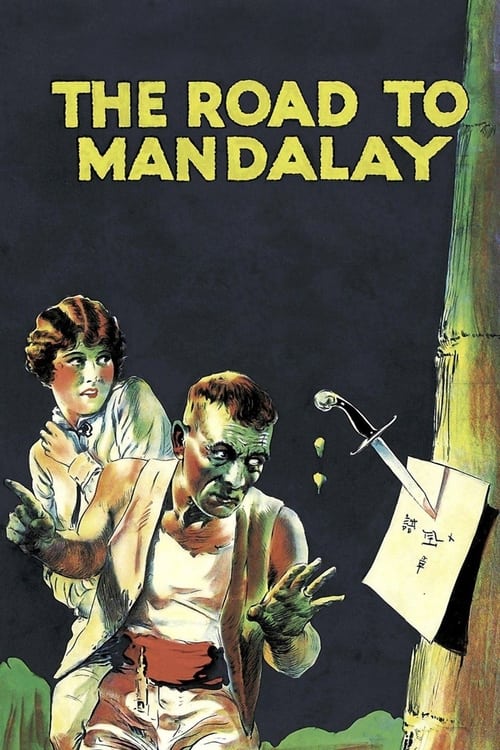
1926
1923

1931
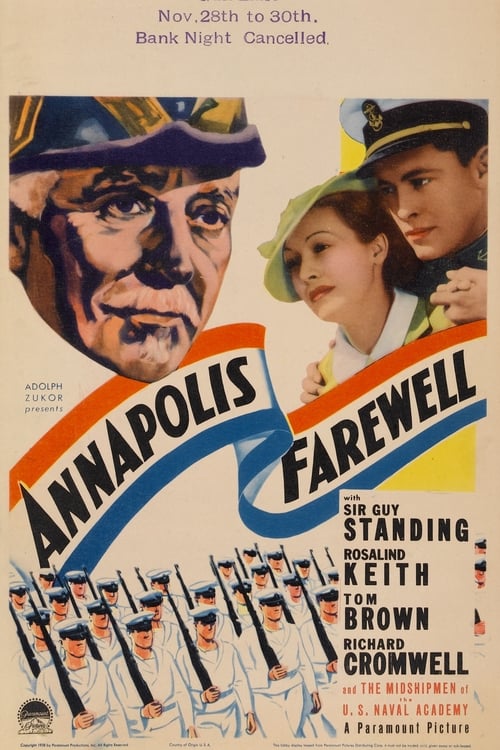
1935
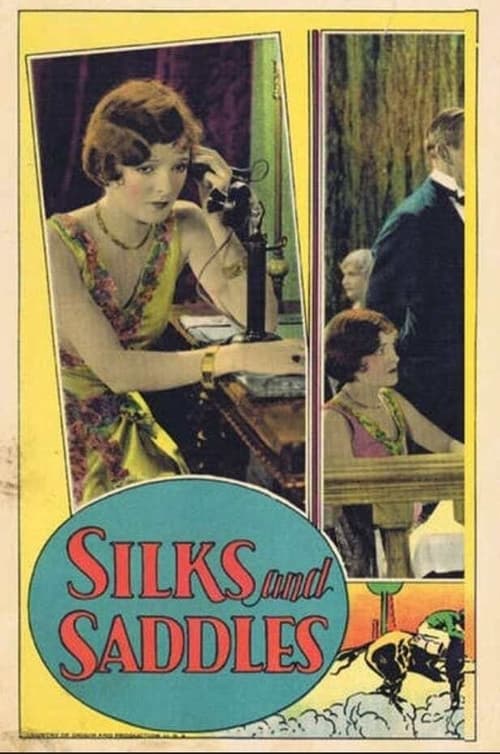
1929
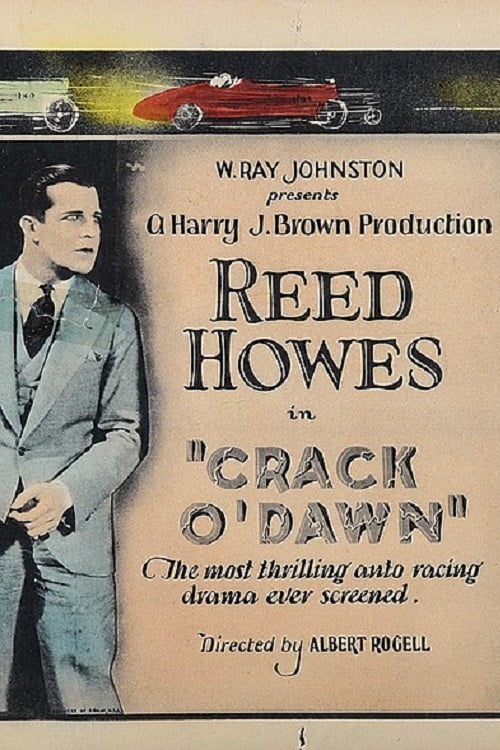
1926
1934
No reviews yet. Be the first to share your thoughts on this movie!
Use the rating form above to leave a star rating and optional review.