
Forbidden to Forbid
2007
No user ratings available yet
Representation score: 8.3 out of 10
Representation Score
Excellent
2010
PG-13Director
José Joffily
Runtime
111 minutes
Average Rating
No ratings yetNew Showbiz Analysis
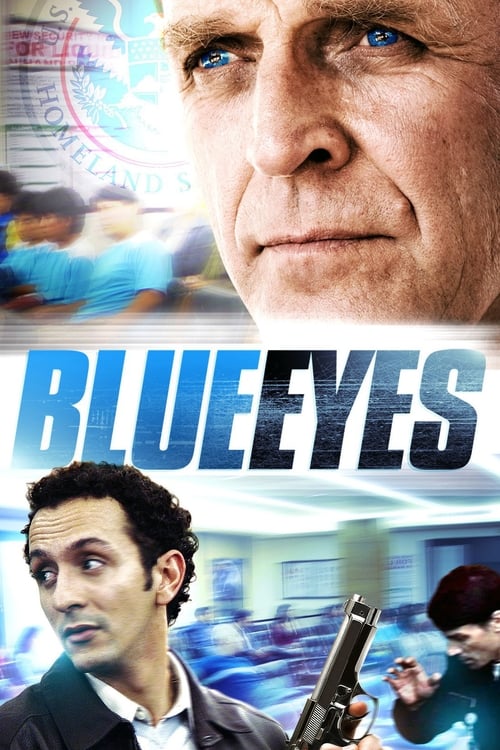
Blue Eyes is a character study that deconstructs the morality of a Western authority figure. It succeeds by focusing on the fallout of systemic prejudice and the ability to act of those affected by institutional bias. The film's strength lies in its critique of power dynamics and its shift away from Anglo-centric storytelling. By moving the setting to Brazil, it allows for a more personal, fluid reckoning that challenges established social hierarchies. However, the film's representation of certain groups remains limited. The focus on the protagonist's physical illness and the use of a sex worker as a guide risk falling into traditional clichés without further narrative depth.
Category Breakdown
The film does not include explicit LGBTQ+ characters or non-straight relationships. The plot revolves around the tension between the protagonist and his victims.
Bia, a young prostitute, plays a crucial role in prompting the protagonist's moral awakening. The film challenges traditional hierarchies by giving this underrepresented woman a leading role over a former authority figure.
The story centers on the consequences of prejudice and the death of a Brazilian national. By relocating the setting to Brazil, the film challenges Anglo-centric perspectives and power imbalances.
The story critiques Western institutional authority through the lens of a former immigration officer. It prioritizes a personal journey of atonement over traditional Western legalistic justice.
The protagonist's deadly illness drives his quest for redemption in Brazil. However, it is unclear if this physical decline is treated with nuance or used as a metaphor for moral decay.
Present on Screen
Limited or Absent
Official Synopsis
Before his compulsory retirement, on his last day of work, Marshall, JFK airport's chief Immigration officer, detains a group of Latin Americans and expose them to a series of humiliating situations. Blinded by prejudice, Marshall ends up by causing the death of a young Brazilian. After a period in prison, Marshall goes to Brazil, deadly ill and in a desperate search in order to purge his guilt. In his quest, he is guided by Bia, a young prostitute.
2007

2005

2003

2008

1988

2003

2012
2009
No reviews yet. Be the first to share your thoughts on this movie!
Use the rating form above to leave a star rating and optional review.