
A Better Life
2011
No user ratings available yet
Representation score: 4.6 out of 10
Representation Score
Good
2009
RDirector
Wayne Kramer
Runtime
113 minutes
Average Rating
No ratings yetNew Showbiz Analysis
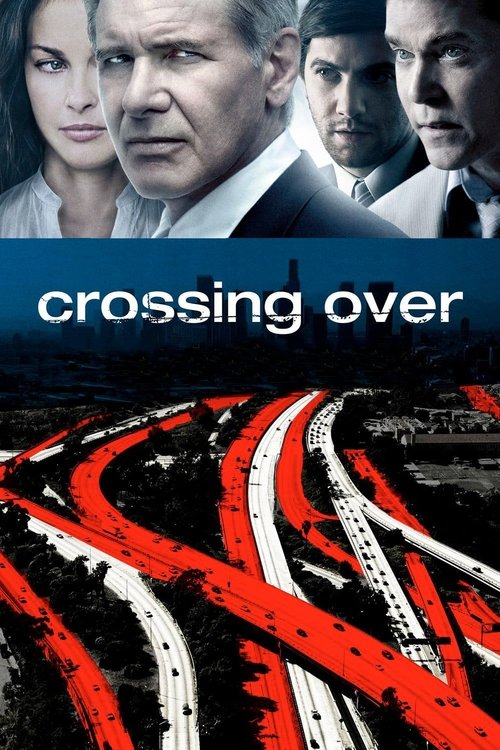
Crossing Over is a powerful critique of the American Dream, emphasizing the multi-ethnic, globalized urban reality. By focusing on the immigrant experience, the film moves beyond monolithic representations to showcase a complex, multi-cultural landscape. However, the film faces challenges in other areas of representation. It heavily features traditional masculine roles and authority figures, relegating female characters to secondary positions. Additionally, there is a notable absence of LGBTQ+ identities and disability representation. Overall, the film's progressive stance is evident through its anti-authoritarian perspective and its commitment to depicting the diverse realities of a globalized society, despite limitations in certain identity categories.
Category Breakdown
The film does not prominently feature LGBTQ+ characters or explore non-cisgender identities. Representation of LGBTQ+ individuals is minimal, adhering to conventional social norms.
The film emphasizes traditional masculine roles, particularly in enforcement positions. Female characters play crucial emotional roles but are often relegated to secondary positions in the main power dynamics.
The film excels in showcasing characters of color in central roles, reflecting the diverse demographic makeup of Los Angeles. It highlights the multifaceted immigrant experience to challenge a homogeneous national identity.
The film critiques Western institutions by portraying state authority as oppressive rather than protective. It presents a nuanced view of systemic issues within society.
The film does not prominently feature neurodivergent or physically disabled characters in central roles. Focus remains on socioeconomic and legal aspects.
Present on Screen
Limited or Absent
Official Synopsis
Immigrants from around the world enter Los Angeles every day, with hopeful visions of a better life, but little notion of what that life may cost. Their desperate scenarios test the humanity of immigration enforcement officers. In Crossing Over, writer-director Wayne Kramer explores the allure of the American dream, and the reality that immigrants find – and create -- in 21st century L.A.
2011

2013

2020

2023

2006

2013

2002

2008
No reviews yet. Be the first to share your thoughts on this movie!
Use the rating form above to leave a star rating and optional review.