
Here Without Me
2011
No user ratings available yet
Representation score: 4.9 out of 10
Representation Score
Fair
2011
Director
Anahita Ghazvinizadeh
Runtime
17 minutes
Average Rating
No ratings yetNew Showbiz Analysis
The film disrupts the idealized family cliché by highlighting the complexities of divorce and maternal ability to act. By using a child's perspective, it shifts away from traditional hierarchies and offers a nuanced view of domestic life. While the film provides a strong cultural perspective and challenges patriarchal family structures, it remains limited in its representation. The lack of LGBTQ+ identities and disability representation prevents it from achieving a higher score. Overall, the film is a meaningful exploration of empathy and role-play, offering a localized, non-Western view of family dynamics.
Category Breakdown
The film does not include explicit representations of LGBTQ+ identities or same-sex relationships. It focuses on a child's experience in a divorced household.
The story revolves around a child taking on his mother's role in a play, which grants the female character a significant role and intellectual depth.
The film offers a non-Western perspective on family dynamics. However, it does not include a diverse cast or multi-ethnic actors.
The narrative challenges traditional views by focusing on a single-mother household. It explores the child's evolving understanding of morality.
The film does not depict any physical or neurodivergent disabilities.
Present on Screen
Limited or Absent
Official Synopsis
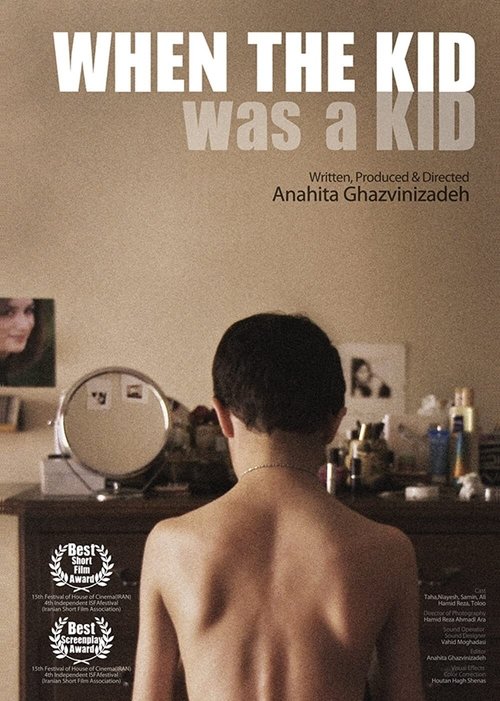
Taha, a ten years old, is involved in a play in which children imitate their parents' roles. Living with his divorced mother, Taha understands new things about his mom by playing her role.
2011

1997
2004

2011

2017

2013

2009

2004
No reviews yet. Be the first to share your thoughts on this movie!
Use the rating form above to leave a star rating and optional review.