I Am Belfast
2016
No user ratings available yet
Representation score: 6.3 out of 10
Representation Score
Fair
2020
Director
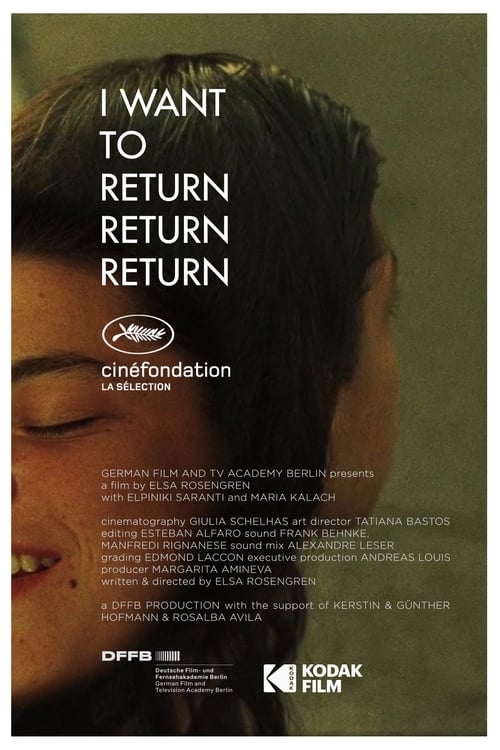
Elsa Rosengren
Runtime
32 minutes
Average Rating
No ratings yetNew Showbiz Analysis
Elsa Rosengren’s documentary succeeds in creating a mosaic of human experience within Berlin's Wrangelkiez. By weaving together disparate life stories—from Greek migration to American rural roots—the film effectively disrupts the idea of a homogeneous community. It excels at presenting a multicultural, multi-layered urban landscape. However, the film's impact is somewhat limited by a lack of explicit representation in certain areas. While it avoids traditional masculine hierarchies, it does not go far enough to subvert gender roles or provide clear LGBTQ+ identities. The focus remains on individual emotional landscapes rather than systemic identity-driven arcs. Ultimately, the work is a nuanced study of modern social structures. It uses personal memory and the flux of urban development to provide a rich, albeit fragmented, view of contemporary life.
Category Breakdown
The film explores deep interpersonal longing and social connections through characters like Elpi. Though it doesn't include explicit queer-coded narratives or same-sex intimacy, its focus on subjective emotional expression offers a space for diverse identities.
The documentary focuses on domestic and emotional lives, such as a woman's experience in the Berlin labor market. It avoids traditional patriarchal hierarchies but does not actively subvert gender roles to a high degree.
The narrative highlights a globalized urban environment by featuring a Greek woman and a man from a Kentucky tobacco farm. These diverse migratory histories effectively challenge monocultural perspectives of European life.
The film prioritizes individual life stories and memory over nationalistic or religious structures. It adopts a secular, humanist lens to examine how time and urban change impact personal identity and place.
There is no evidence within the film's description regarding the portrayal of physical, neurodivergent, or mental health conditions.
Present on Screen
Limited or Absent
Official Synopsis
A depiction of the Wrangelkiez neighbourhood in Berlin. The people portrayed tell their life stories. One woman came to the neighbourhood a decade ago to work in Berlin’s still unfinished Brandenburger Airport, one man reminisces his childhood on a Tobacco farm in Kentucky, another speaks of an exceptional day in an otherwise monotonous workplace. These portraits are interwoven with the story of Elpi, a Greek woman who is waiting for the long overdue visit of an old important friend. The outcome of this mixture is a film which captures the lives and perspectives of some of Wrangelkiez’s most commanding citizens, while at the same time evoking the loss that change and time passing means for places and for people.
2016

2017
2016

2022
2018
2017

2002

2010
No reviews yet. Be the first to share your thoughts on this movie!
Use the rating form above to leave a star rating and optional review.