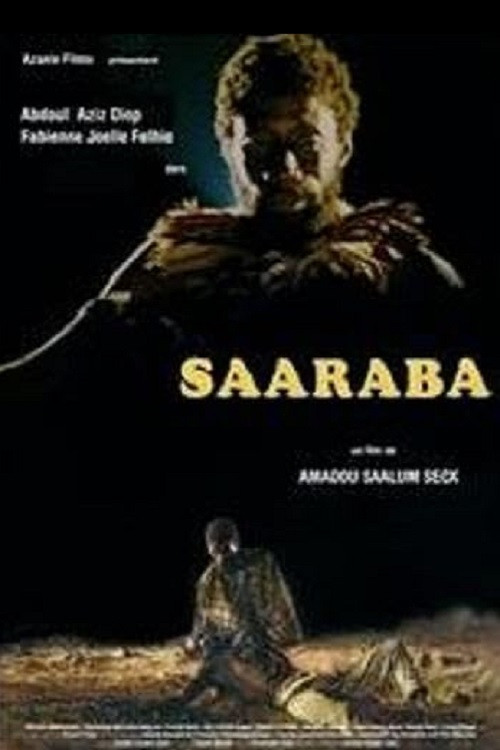
Saaraba
1988
No user ratings available yet
Representation score: 6.4 out of 10
Representation Score
Fair
1991
Director
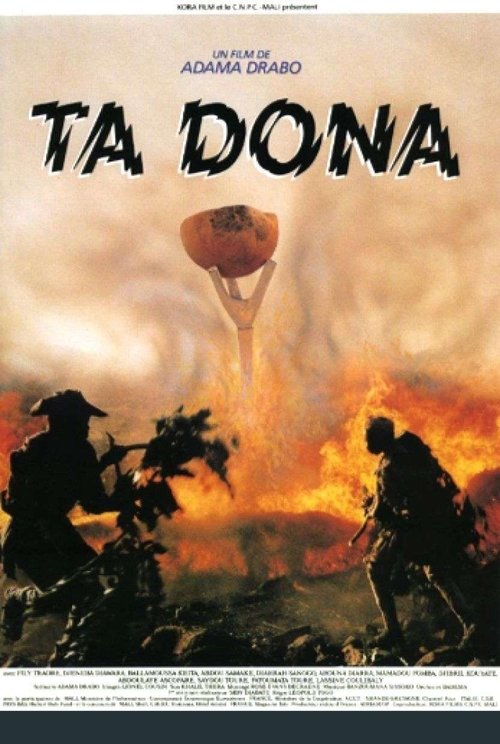
Adama Drabo
Runtime
100 minutes
Average Rating
No ratings yetNew Showbiz Analysis
Adama Drabo’s film is a powerful example of decolonial cinema that emphasizes indigenous ecological wisdom over corrupt, profit-driven bureaucracy. By focusing on a West African worldview and using local narrative styles, the film successfully reclaims ability to act. However, the film adheres to traditional social structures. While it portrays women as active participants, it does not explicitly challenge patriarchal hierarchies or explore LGBTQ+ identities, maintaining a focus on communal and familial norms. Ultimately, the film’s strength lies in its sophisticated critique of post-colonial governance and its authentic portrayal of Malian life.
Category Breakdown
The film centers on communal survival and traditional family ties. It includes moments of sexual teasing and personal interactions but does not address non-cisgender identities.
Gender roles align with cultural traditions, yet women play active roles in domestic affairs. Social interactions hint at complex power dynamics rather than simple submission.
The film highlights Malian village life with great cultural specificity. It challenges Western-centric views by presenting a non-Anglo-Saxon perspective as the central reality.
The story critiques Western-style institutions by contrasting bureaucratic rules with ritual-based ecological care. It explores the tension between modern statehood and traditional sovereignty.
There are no prominent depictions of physical or neurodevelopmental disabilities influencing the narrative or serving as central character arcs.
Present on Screen
Limited or Absent
Official Synopsis
Life in the African country of Mali in the 1990s is vividly highlighted in this mild drama. In the story, a young forest ranger who sees that his work holds the key to the future of his country (through reforestation) is disgusted at the short-sighted, money-grubbing ways of his superiors. He has a much better relationship with local villagers than with his agency's bosses. As the movie opens, the villagers are preparing to hold a hunting ceremony but are not sure whether they will do it the old fashioned way, with a bonfire, or will obey a government decree that open fires are too dangerous. There is a lot of sexual teasing between the villagers, including some harmless horseplay. For instance, when a man whispers another woman's name in his sleep, his wife pours water into his ear in revenge.
1988

2019

1990

1973

1996

2017

2004

2010
No reviews yet. Be the first to share your thoughts on this movie!
Use the rating form above to leave a star rating and optional review.