
The Tree of Life
1988
No user ratings available yet
Representation score: 8.2 out of 10

Representation Score
Good
1996
Director
Flora Gomes
Runtime
95 minutes
Average Rating
No ratings yetNew Showbiz Analysis
Tree of Blood is a sophisticated narrative that challenges conventional views of progress. By framing industrial expansion as a destructive force against a spiritually integrated community, the film disrupts Western hierarchies of power. The film excels by centering African identity and using a magical realist, folk-tale structure. This approach allows for a critique of post-colonial realities and systemic exploitation through a non-Western lens. While the film is rich in cultural and ecological themes, it lacks visible markers for LGBTQ+ representation and provides no information regarding disability representation.
Category Breakdown
The film focuses on the spiritual connection between humans and nature. There are no explicit representations of LGBTQ+ characters or identities.
The film challenges traditional masculine conqueror roles by depicting nature as a sentient, vengeful force. It emphasizes communal nurturing and life cycles.
The film centers an African village and uses a folk-tale aesthetic. It avoids the Western perspective by highlighting indigenous spiritualities and local ecological knowledge.
Indigenous spirituality is prioritized over Western religious models. The story presents state-driven resource extraction as a systemic injustice, emphasizing ecological justice.
The film does not provide any specific information about characters with physical or neurodivergent disabilities.
Present on Screen
Limited or Absent
Official Synopsis
Done in the style of an African folk tale, this film, a collaboration between European and African countries, is said to be among the most elaborate, high tech film in African film. Exquisitely photographed and filled with archetypal figures to create a poetic look at nature's revenge against those who would exploit her. It is set in the forest village of Amanha Lundju, a place where the birth of children is celebrated by the planting of a tree. The trees are considered spiritual twins. But for every tree planted, the rapacious state destroys many more for firewood and lumber.
1988
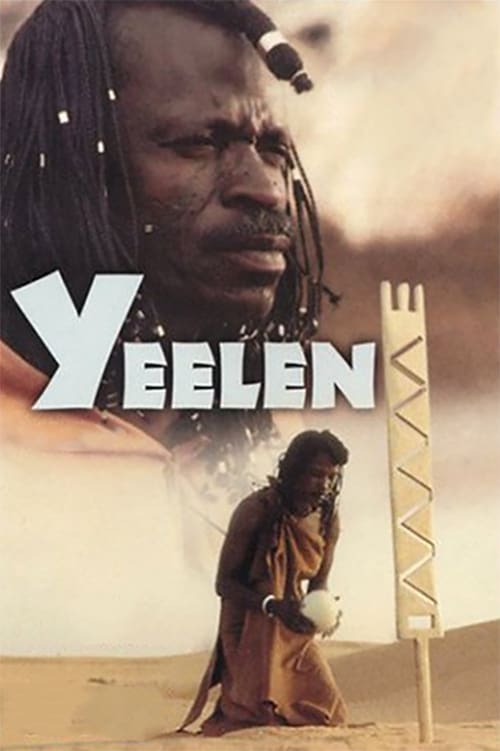
1987

2017
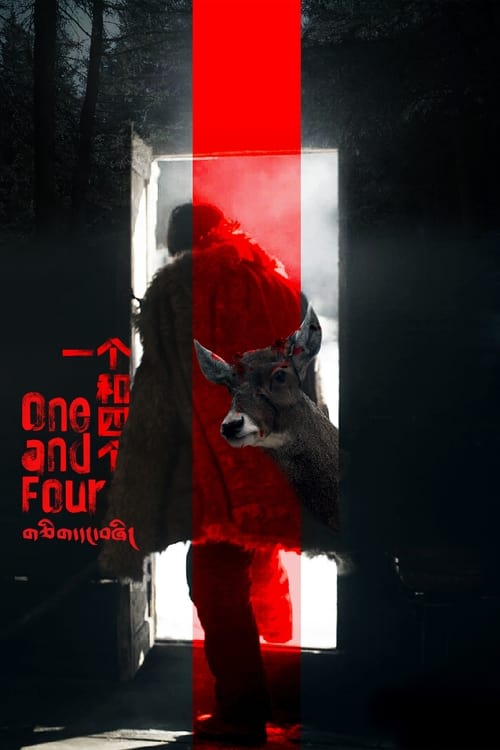
2023

2008
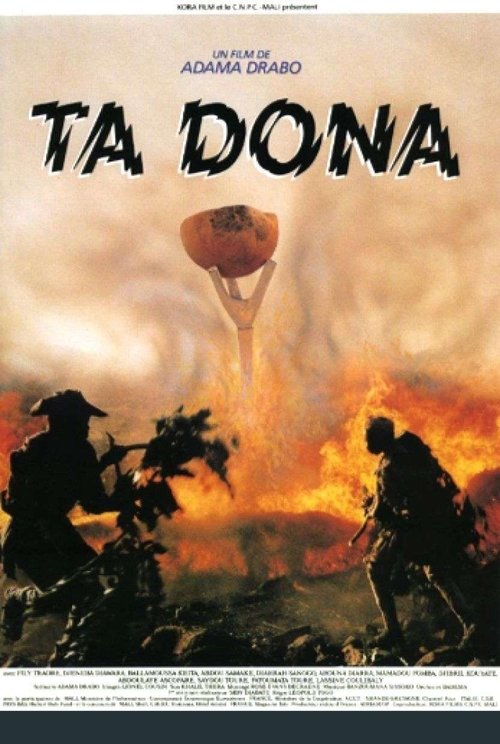
1991
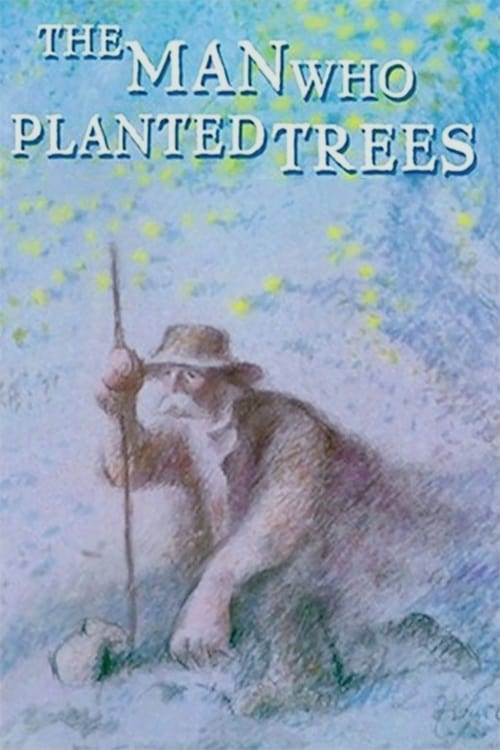
1987

2006
No reviews yet. Be the first to share your thoughts on this movie!
Use the rating form above to leave a star rating and optional review.