
For Scent-imental Reasons
1949
No user ratings available yet
Representation score: 0.7 out of 10
Representation Score
Limited
1959
ApprovedDirector
Abe Levitow
Runtime
6 minutes
Average Rating
No ratings yetNew Showbiz Analysis
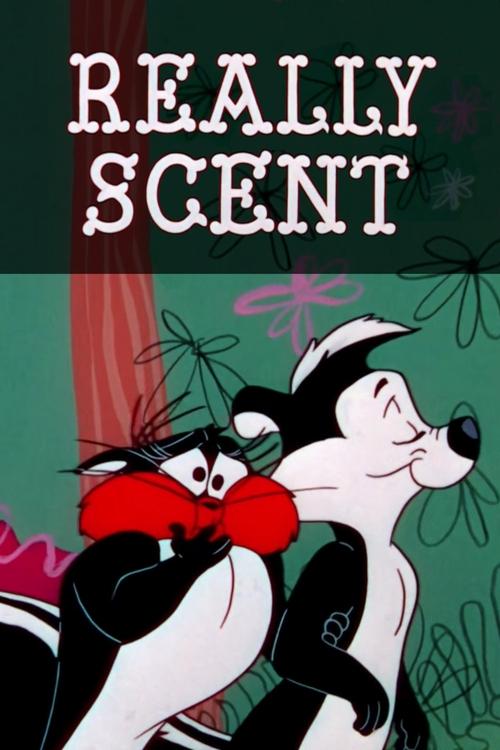
Really Scent is a product of its time, using well-established Looney Tunes archetypes and mid-century comedic structures. The narrative focuses on physical traits and sensory obstacles rather than social commentary. The film adheres to traditional storytelling, emphasizing romantic pursuits and physical comedy. It fails to challenge social hierarchies or provide depth in addressing multiple aspects of diversity. Ultimately, the work operates as a conventional short that reflects the standard narrative conventions of late-1950s animation.
Category Breakdown
The romantic dynamic revolves around a chase between Pepe Le Pew and Fabrette. There is no indication of LGBTQ+ identities or challenges to the assumption that everyone is straight or cisgender.
Fabrette's social standing and marital prospects are determined by her appearance. This emphasizes traditional gender anxieties about looks rather than giving women control over their lives.
Set in New Orleans, the film does not explore racial or ethnic complexities. Fabrette is a black cat, but this is just a visual description.
The story follows a typical mismatched lovers cliché common in 1959 animation. It does not question Western institutions or prioritize secular views.
Fabrette's curse serves as a comedic inconvenience and a barrier to social interaction. It is used as a plot device rather than a detailed look at physical disabilities.
Present on Screen
Limited or Absent
Official Synopsis
Pepe le Pew arrives in New Orleans, where Fabrette the black cat has been cursed with white stripes like a skunk, interfering with her chances to get married. Of course, a skunk is her perfect match... if she can stand the smell!
1949
1961
1962
1952
1957
1956
1955
1947
No reviews yet. Be the first to share your thoughts on this movie!
Use the rating form above to leave a star rating and optional review.