Lost, Lost, Lost
1976
No user ratings available yet
Representation score: 5.8 out of 10
Representation Score
Good
1998
PG-13Director
Jonas Mekas
Runtime
9 minutes
Average Rating
No ratings yetNew Showbiz Analysis
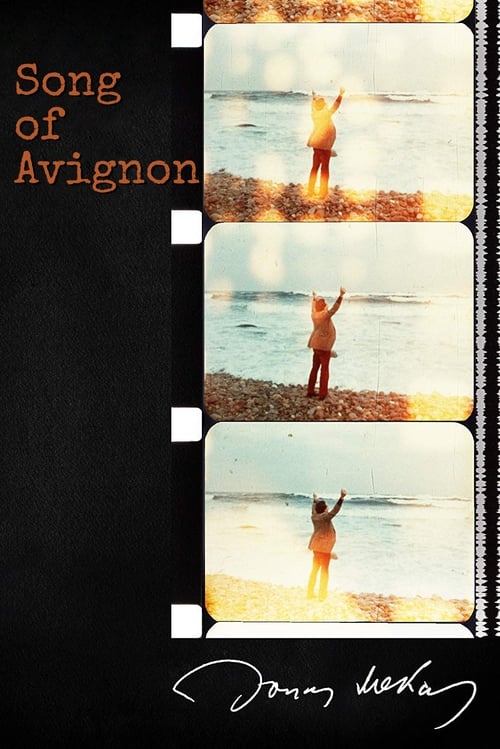
Song of Avignon is a deeply personal, non-linear exploration of the human condition. By prioritizing the internal landscape over objective reporting, it disrupts conventional documentary expectations and challenges structured, institutionalized truths. The film excels in its commitment to individual vulnerability and its departure from traditional Western storytelling hierarchies. It replaces rigid narrative stability with a subjective, meditative approach to memory and crisis. However, the work lacks explicit representation of broad demographic diversity. The focus remains tightly centered on the director's personal retrospective and specific European settings.
Category Breakdown
The film presents a non-traditional narrative through its lyrical, meditative style. Though specific LGBTQ identities aren't detailed, the work aligns with avant-garde traditions that go beyond the assumption that everyone is straight or cisgender.
The diaristic approach breaks down heroic masculine archetypes by emphasizing vulnerability. It focuses on internal emotional processing rather than traditional gender roles or character interactions.
The narrative structure centers on a specific European setting and personal memory. It lacks a focus on broad demographic diversity, prioritizing individual retrospective over diverse racial representation.
The film emphasizes personal truth and secular reflection over religious doctrine. It frames survival through individualistic meaning-making rather than external spiritual or societal interventions.
The exploration of pain and survival highlights mental health and psychological endurance. The diaristic style allows for portraying internal struggles with ability to act.
Present on Screen
Limited or Absent
Official Synopsis
Jonas Mekas reflects on a 1966 trip to Avignon that offered solace during a period of personal crisis. Combining diary texts read by Angus MacLise with images of place and memory, the film becomes a lyrical meditation on pain, survival, and the restorative power of reflection.
1976
1983
1967
2008
1968
2016

2000
1967
No reviews yet. Be the first to share your thoughts on this movie!
Use the rating form above to leave a star rating and optional review.