
Schoolgirl Complex
2013
No user ratings available yet
Representation score: 5.3 out of 10
Representation Score
Excellent
1996
Director
Ryuichi Hiroki
Runtime
104 minutes
Average Rating
No ratings yetNew Showbiz Analysis
Midori is a complex coming-of-age drama that prioritizes the subversion of power dynamics over traditional moral clarity. Its greatest strength lies in its portrayal of the female protagonist as an active agent within a highly commodified environment. The film excels at critiquing capitalist structures and the sanctity of traditional family units. It uses its setting to explore how identity is shaped when individuals operate on the fringes of social acceptability. However, the film's focus is narrow. It lacks explicit LGBTQ+ representation and maintains a homogeneous cast, limiting its range of diverse identities. The use of disability and illness themes is primarily metaphorical.
Category Breakdown
The film does not feature explicit LGBTQ+ relationships or identities. However, it subtly critiques conventional sexual norms by exploring non-traditional sexualities and challenging societal assumptions.
Midori's internal experiences and actions take precedence over the male perspective. The film highlights female autonomy within a transactional, adult industry context, challenging traditional gender roles.
The cast is predominantly Japanese, reflecting a specific cultural setting. The film avoids Western casting norms, focusing on the social hierarchy within its domestic context.
The narrative critiques the commercialization of intimacy and challenges traditional social institutions. It emphasizes subjective truths and secular storytelling over religious or state-sanctioned morality.
Themes of illness and the school sanatorium setting serve primarily as metaphors for social isolation. These elements support the plot rather than offering meaningful portrayals of disability.
Present on Screen
Limited or Absent
Official Synopsis
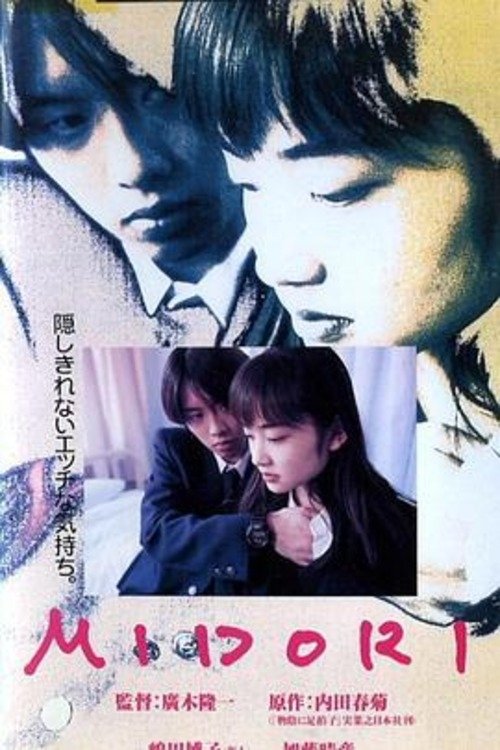
Midori is a coming-of-age drama set amongst the heady high school world of peer rivalry and sexual awakening, featuring an emotionally-detached high-school girl who, her parents dead, lives with her brother and his overprotective wife. After being sent out of class due to a dizzy spell, she becomes acquainted with Shun, a boy in the class below, in the school sanatorium. As the two begin feigning illness together on a regular basis, their uncomfortable flirtations soon blossom into a full sexual relationship.
2013

2004
1995

1931

1997

1974

1994

1965
No reviews yet. Be the first to share your thoughts on this movie!
Use the rating form above to leave a star rating and optional review.