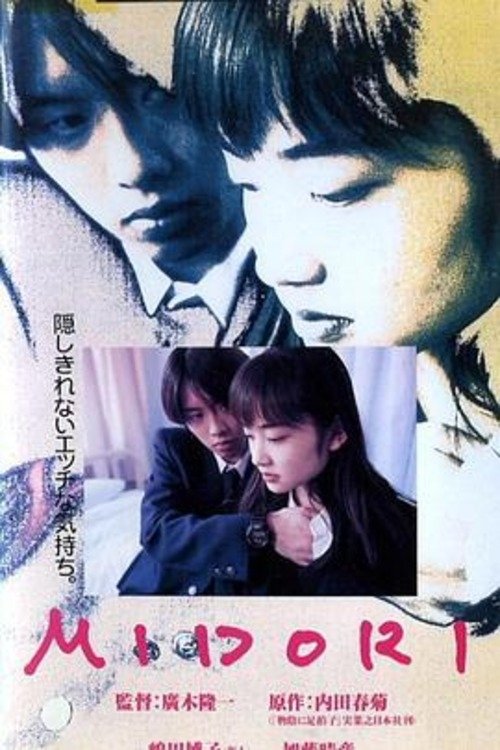
Midori
1996
No user ratings available yet
Representation score: 8.4 out of 10
Representation Score
Good
1994
Director
Takahisa Zeze
Runtime
62 minutes
Average Rating
No ratings yetNew Showbiz Analysis
Angel in September is a character-driven drama that centers a queer romantic bond. It moves beyond simple friendship to explore deep intimacy and the tension between idealism and rebellion. The film effectively challenges social norms by framing conventional middle-class stability as a source of existential dread. This subversion of traditional aspirations provides a strong critique of capitalist expectations. While the film lacks ethnic diversity, it offers a rich exploration of identity and ability to act. The protagonists' struggle to define themselves against societal pressures creates a compelling, non-conformist narrative.
Category Breakdown
The film centers on a profound romantic and emotional bond between Hitomi and Eriko, disrupting the assumption that everyone is straight or cisgender. Their intimacy drives the plot, challenging traditional expectations.
Eriko challenges traditional female passivity through her sexual autonomy and indifference to societal norms. Both protagonists play significant roles in defining their own paths and navigating their futures.
The story focuses on localized Japanese social dynamics, prioritizing internal social stratification over a multi-ethnic or diverse cast.
The narrative critiques capitalist structures and the bourgeois lifestyle using metaphysical themes, such as Hitomi's belief in being an angel warrior, to prioritize spiritual truths over social institutions.
There is no evidence regarding the depiction of physical or neurodivergent disabilities in this work.
Present on Screen
Limited or Absent
Official Synopsis
One day, Hitomi observes her classmate Eriko stealing lipstick in a drugstore and follows her home. The two young women get to know and love each other. While the withdrawn Hitomi believes herself and Eriko to be reincarnations of angel warriors who once fought demon armies, her emancipated and apathetic friend wanders through life between sex contacts with older men and fear of falling into a boring bourgeois existence. The different futures of the two soon lead to tensions.
1996

2004

2001

1998

2000

1995

2000

2016
No reviews yet. Be the first to share your thoughts on this movie!
Use the rating form above to leave a star rating and optional review.