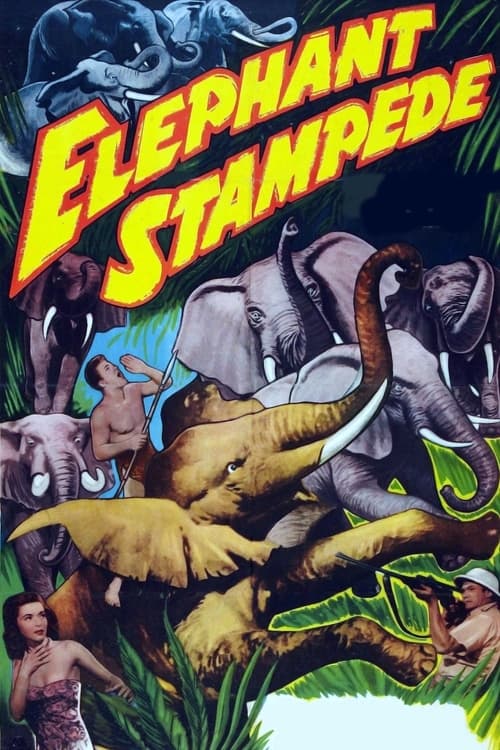
Elephant Stampede
1951
No user ratings available yet
Representation score: 1.3 out of 10
Representation Score
Minimal
1958
NRDirector
John Huston
Runtime
121 minutes
Average Rating
No ratings yetNew Showbiz Analysis
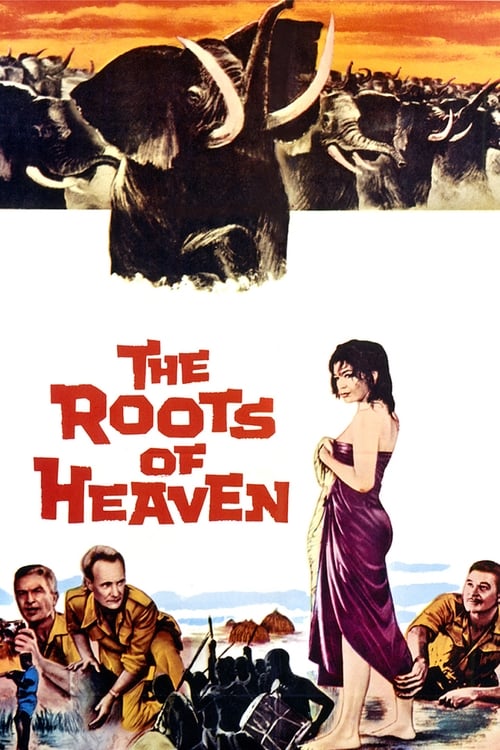
John Huston’s film reflects the storytelling conventions of its time, avoiding obvious stereotypes but still adhering to traditional narratives. It provides a nuanced view of the colonial experience and the challenges of upholding Western religious ideals in a foreign context. However, the film maintains existing social power structures. It emphasizes Western institutional viewpoints, which limits the representation of diverse perspectives and the disruption of established hierarchies.
Category Breakdown
The film does not feature any LGBTQ+ characters or explore non-straight relationships. The social setting aligns with mid-20th century norms where everyone is assumed to be straight.
Male characters, particularly those in leadership roles like priests, dominate the narrative. Female characters, such as the nightclub hostess, play supporting roles and mainly serve as emotional catalysts.
The cast is mostly white Europeans in positions of authority. African populations are often portrayed as subjects of colonial projects rather than as independent agents with complex stories.
The plot revolves around Western religious frameworks, focusing on the Catholic Church's presence in Africa. It examines the tension between religious ideals and the practical realities of the environment.
There are no significant representations of disabilities that drive the narrative or serve as central character elements.
Present on Screen
Limited or Absent
Official Synopsis
In French Equatorial Africa, an idealist campaigns to save the African elephant, gaining support from a nightclub hostess and an ex-soldier. His cause attracts a mix of characters, including a U.S. commentator, a government aide opposed to him, and an ivory hunter with conflicting interests.
1951
1966
1999
1962
1958
1987

1948
1975
No reviews yet. Be the first to share your thoughts on this movie!
Use the rating form above to leave a star rating and optional review.