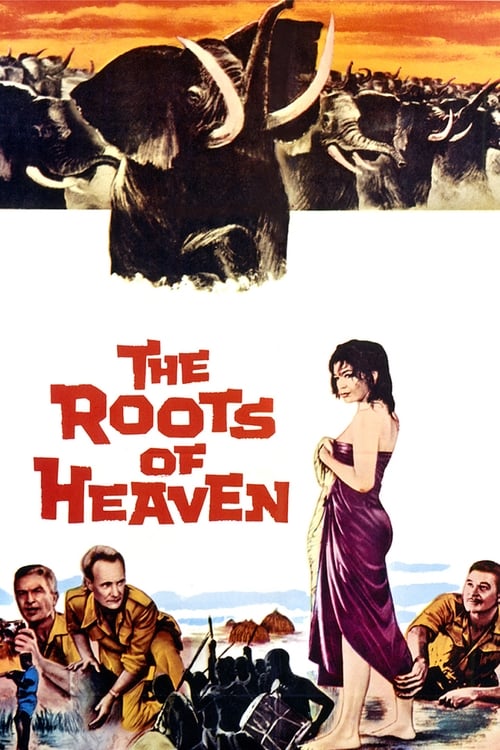
The Roots of Heaven
1958
No user ratings available yet
Representation score: 1.3 out of 10
Representation Score
Minimal
1999
PG-13Director
Carl Schultz
Runtime
110 minutes
Average Rating
No ratings yetNew Showbiz Analysis
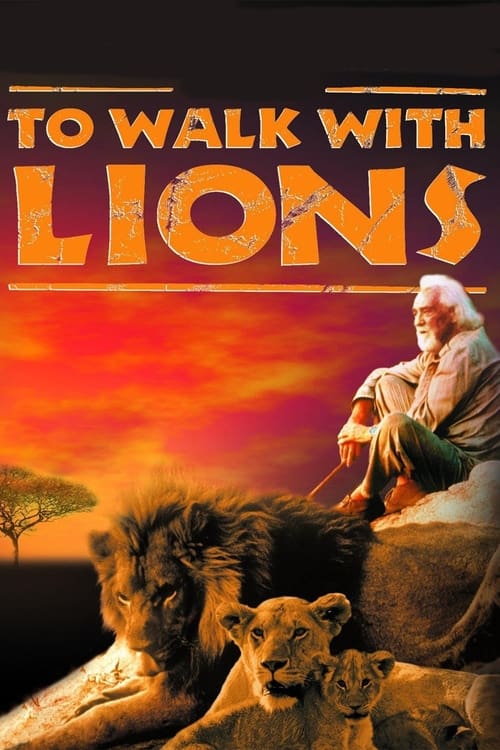
To Walk with Lions follows a traditional adventure-drama structure centered on a white male protagonist's journey of redemption. The narrative prioritizes a classic struggle against nature and corruption, reinforcing established cinematic conventions of the late 1990s. The film distributes ability to act in a way that maintains historical hierarchies, focusing on the experiences of the Adamson brothers and Fitzjohn. It lacks the depth needed to explore multiple aspects of identity. While the film addresses institutional corruption, it does so through a traditional lens. It lacks the systemic deconstruction necessary to move beyond the colonial-adventure genre clichés.
Category Breakdown
The film focuses on the relationships between men and their connection to nature. It does not include characters with non-binary or transgender identities, nor does it challenge the assumption that everyone is straight or cisgender.
The story revolves around male characters who drive the plot through labor and conflict. Female characters have limited roles and rarely make decisions, as decision-making is primarily handled by men.
Set in Kenya, the film features a predominantly white cast. Local African characters play minor roles and rarely influence the main storyline.
The narrative criticizes corrupt government officials and poachers but remains focused on a Western perspective of conservation. It does not explore diverse cultural viewpoints.
There is no discernible evidence regarding the portrayal of visible or invisible disabilities in the film.
Present on Screen
Limited or Absent
Official Synopsis
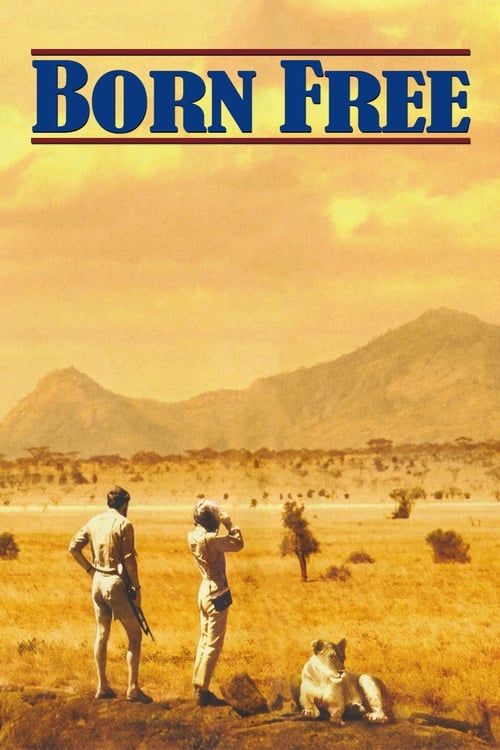
Drama based loosely on the final years of Kenya game warden and lion-raiser George Adamson's life. An unofficial sequel to 'Born Free' (1966) and 'Living Free' (1972), which also dramatized the life of Adamson, this film picks up the life of George on the African wildlife preserve he runs with the help of his brother Terrence. When drifter Tony Fitzjohn arrives to work for the old men he initially takes poorly to the task, almost savaged by a lion on his first day and on the verge of leaving when he hears that his predecessor was killed in a similar incident. The arrival of a lion cub that Fitzjohn must care for and raise changes everything. Soon he finds himself helping the brothers in their fight to save lions - and, ultimately, the park itself - from the poachers, soldiers and corrupt government officials that threaten them.
1958
1966
1974
2015

2003
1988

1997
1962
No reviews yet. Be the first to share your thoughts on this movie!
Use the rating form above to leave a star rating and optional review.