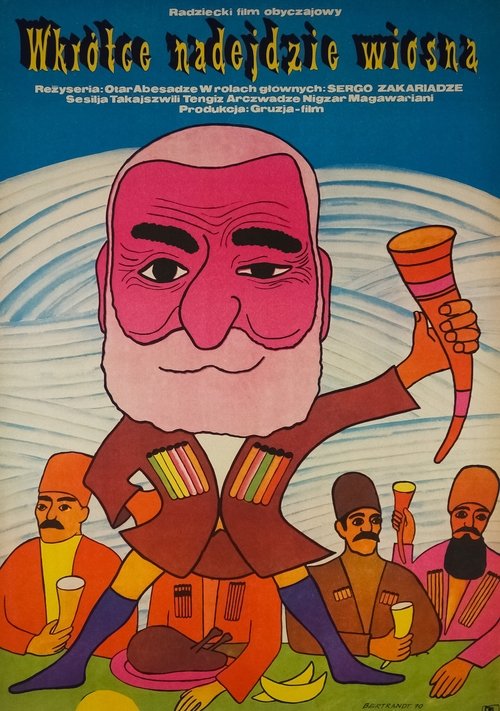
Spring Comes Soon
1967
No user ratings available yet
Representation score: 2.2 out of 10
Representation Score
Limited
1965
Director
Samson Samsonov
Runtime
112 minutes
Average Rating
No ratings yetNew Showbiz Analysis
The film is a character-driven drama focused on the psychological state of a displaced family. While it emphasizes female protagonists, the narrative is constrained by the demographic and social norms of its 1965 setting. Representation is conventional, focusing on traditional romantic destinies and social class. The lack of diverse identities and cultural backgrounds limits the film's progressive rating. However, it offers a meaningful exploration of female subjectivity.
Category Breakdown
The film doesn't show any non-straight relationships or identities. It focuses on traditional romantic stories set in the mid-20th century.
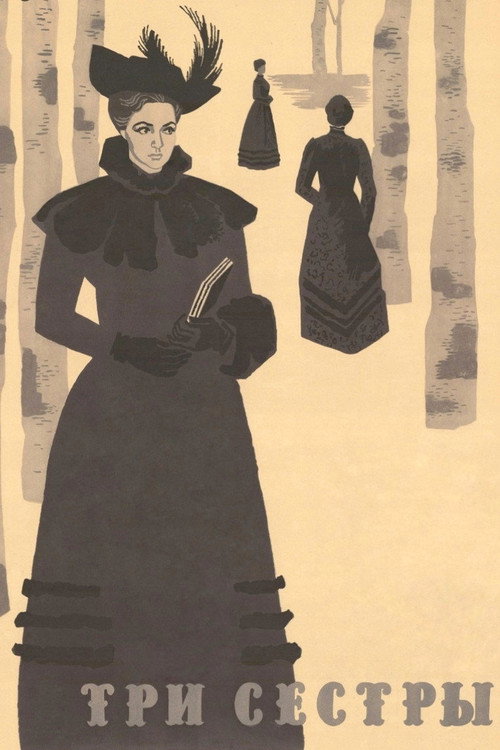
The story centers around the experiences of three sisters and their internal struggles. Their personal journeys drive the plot, highlighting their subjective experiences.
The setting suggests a culturally uniform environment typical of Soviet-era provincial life in the 1960s. There is no indication of a multi-ethnic cast or diverse ethnic backgrounds.
The film explores themes of displacement and the desire for Moscow. It looks at the tension between the stagnation of provincial life and the stability of the traditional family unit.
There is no mention of characters dealing with physical, sensory, or neurodivergent challenges.
Present on Screen
Limited or Absent
Official Synopsis
Eleven years ago, General Prozorov, having received an appointment, moved his family from Moscow to a small provincial town. The general has died, his adult children - daughters Olga, Maria and Irina and son Andrey, - not finding any use for themselves, and feeling lonely, dream of returning to their native Moscow. They are trying to somehow arrange their own destiny, each in its own way, but nothing comes out of it ...
1967
1948
1978
1965
1967

1965
1984
1956
No reviews yet. Be the first to share your thoughts on this movie!
Use the rating form above to leave a star rating and optional review.