
Four Women
1975
No user ratings available yet
Representation score: 6.9 out of 10
Representation Score
Good
1967
Director
Edward Owens
Runtime
6 minutes
Average Rating
No ratings yetNew Showbiz Analysis
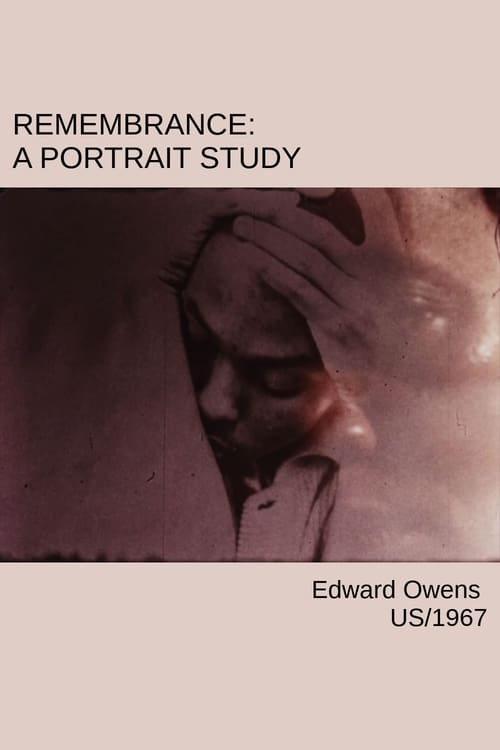
Edward Owens' portrait study deconstructs the traditional biographical film format. It avoids linear, Western-centric progressions in favor of a fragmented, sensory approach that explores the intersections of race, gender, and class. The film's strength lies in its ability to center the domestic and labor-based history of a Black woman. This disrupts the historical erasure of underrepresented figures often found in mid-20th-century cinema. While the film lacks explicit LGBTQ+ representation or disability narratives, its focus on subjective morality and the reclamation of personal memory provides a sophisticated critique of systemic power structures.
Category Breakdown
The film does not explicitly depict LGBTQ+ characters or non-assuming gender matches what was assigned at birth identities. However, its experimental structure and specific musical choices suggest a departure from traditional straight-centered storytelling.
The narrative focuses on the female experience through the lens of Nettie Thomas. By emphasizing domestic labor and personal aesthetics, the film elevates the private sphere to a subject of formal study.
The work highlights the ability to act of Black women by drawing parallels between their labor and historical struggles. It emphasizes the dignity of Black domestic labor as a central component of identity.
The film engages with systemic power dynamics by prioritizing lived experience over institutionalized history. It challenges traditional social norms and institutional gatekeeping regarding what is considered 'proper' art.
There is no evidence regarding the portrayal of physical or neurodivergent disabilities within the film.
Present on Screen
Limited or Absent
Official Synopsis
“The music is by Marilyn Monroe singing ‘Running Wild’ from Some Like It Hot, because it’s a film portrait of Nettie Thomas. She did floors in white women’s homes, like black women did to support their families in the olden days. My mother is sitting in a wicker chair with an ostrich feather boa, a grey worsted wool skirt, a silk belt. For her portrait, I used ‘All Cried Out’ by Dusty Springfield...I was advised by Gregory Markopoulos not to play the music. Because Gregory didn’t think it was proper.” - Edward Owens
1975

1997
1982
1961

1980
1977
1988
1982
No reviews yet. Be the first to share your thoughts on this movie!
Use the rating form above to leave a star rating and optional review.