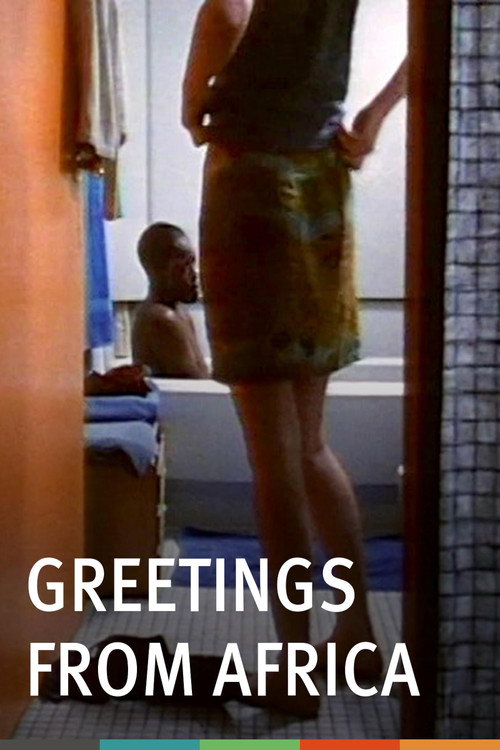
Greetings from Africa
1996
No user ratings available yet
Representation score: 7.1 out of 10

Representation Score
Good
1997
UnratedDirector
Cheryl Dunye
Runtime
85 minutes
Average Rating
No ratings yetNew Showbiz Analysis
The Watermelon Woman is a foundational text that uses a mockumentary framework to explore the intersections of race, gender, and sexuality. By centering a Black female subject, the film disrupts conventional cinematic hierarchies and addresses the historical erasure of her community. The film stands out by reclaiming ability to act through the protagonist's investigative process. It effectively critiques how traditional archives and the Hollywood studio system have historically sidelined Black women. Ultimately, the work serves as a powerful reclamation of history. It shifts the perspective from the traditional observer to the underrepresented subject, making it a vital piece of storytelling that reflects multiple aspects of identity.
Category Breakdown
The film centers a Black lesbian protagonist whose identity is crucial to her exploration of historical invisibility. It is considered a key work in the New Queer Cinema movement.
The narrative challenges traditional hierarchies by placing a woman in a position of intellectual authority. It emphasizes the importance of female creative ability to act and labor.
The film offers a deep critique of racial erasure in early cinema. It highlights the systemic exclusion of Black women within the Hollywood studio system.
The film critiques mainstream Western institutions as engines of erasure. It uses a mockumentary style to challenge official historical records and monolithic narratives.
There are no prominent depictions of physical or neurodivergent disabilities that serve as central plot drivers.
Present on Screen
Limited or Absent
Official Synopsis
A young black lesbian filmmaker probes into the life of The Watermelon Woman, a 1930s black actress who played 'mammy' archetypes.
1996

1985
2019
1960
1990
2021
1992
1991
No reviews yet. Be the first to share your thoughts on this movie!
Use the rating form above to leave a star rating and optional review.