
Twins of Suffering Creek
1920
No user ratings available yet
Representation score: 1.4 out of 10
Representation Score
Minimal
1917
NRDirector
Cecil B. DeMille
Runtime
91 minutes
Average Rating
No ratings yetNew Showbiz Analysis
A Romance of the Redwoods is a traditional Western that reinforces early 20th-century social hierarchies. The narrative centers on romantic melodrama and colonial expansion themes, overlooking character complexity and diverse perspectives. The film lacks depth in representing multiple aspects of identity, focusing instead on a central female protagonist whose role is largely reactive to male-driven events. The depiction of Indigenous populations and the glorification of frontier life align with the period's standard colonial stereotypes. Overall, the work upholds established gender and racial structures without challenging them, making it a typical example of early Hollywood's conventional storytelling.
Category Breakdown
The film follows a typical romantic storyline focused on heterosexual relationships. It does not depict same-sex intimacy or non-binary gender identities.
Mary is the main female character, but her role is primarily defined by her involvement in romantic situations and conflicts driven by men.
Set during the Gold Rush, the film includes interactions with Indigenous peoples. However, the portrayal seems to rely on stereotypes that support colonial hierarchies.
The story is a classic Western that celebrates the American frontier. It upholds traditional social structures without presenting any new cultural perspectives.
There are no visible or invisible disabilities shown as central to the character arcs or the overall narrative.
Present on Screen
Limited or Absent
Official Synopsis
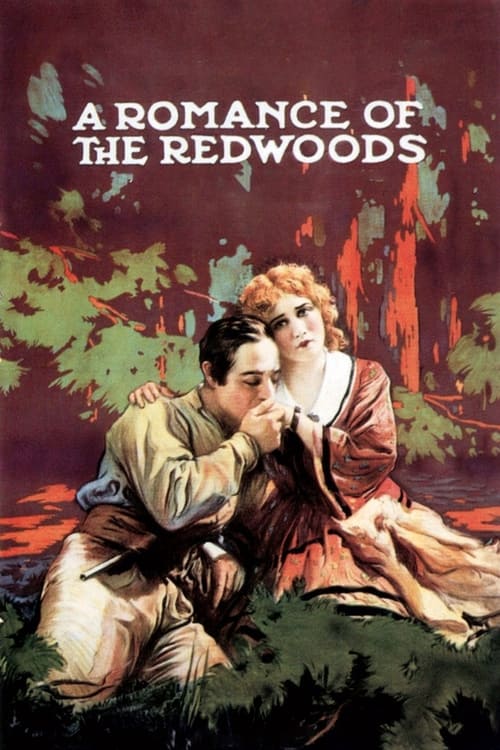
A young girl travels west to live with her uncle during the California Gold Rush only to find that he has been killed by Indians and his identity assumed by an outlaw.
1920

1930
1931
2000

1923

1954
1910

1982
No reviews yet. Be the first to share your thoughts on this movie!
Use the rating form above to leave a star rating and optional review.