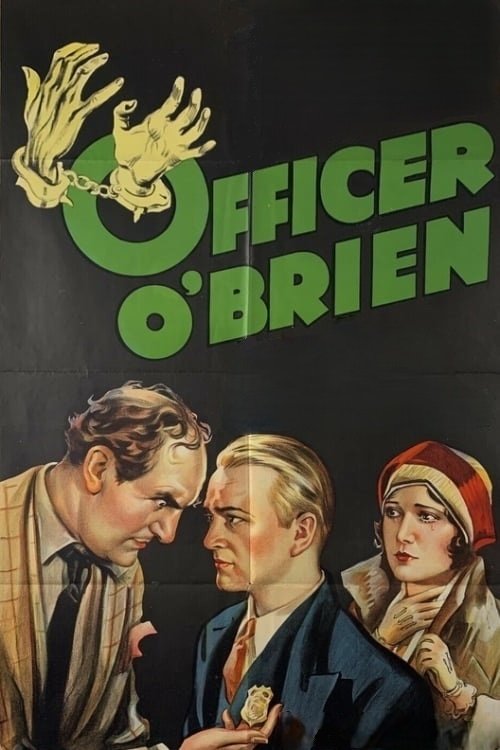
Officer O'Brien
1930
No user ratings available yet
Representation score: 0.4 out of 10
Representation Score
Minimal
1932
NRDirector
George Melford
Runtime
62 minutes
Average Rating
No ratings yetNew Showbiz Analysis
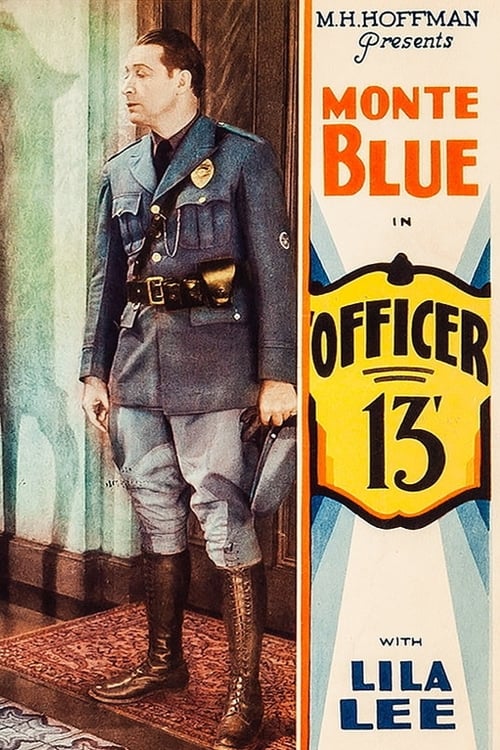
Officer Thirteen is a conventional crime melodrama that reinforces the archetypes of heroism and justice prevalent in the early 1930s. The narrative is driven by a male protagonist's quest for retribution, centering masculine roles while overlooking broader social complexities. The film operates within a traditional moral framework, focusing on a personal vendetta against a corrupt syndicate. It lacks the depth or systemic deconstruction necessary to challenge the social hierarchies of its era. Ultimately, the production reflects the standard studio-system filmmaking of its time, prioritizing genre clichés over diverse or subversive representation.
Category Breakdown
The film does not include any characters with non-traditional gender identities. It follows the typical straight and cisgender-focused social structures common in 1930s dramas.
The story centers around a male protagonist who drives the narrative forward. The plot relies on traditional masculine clichés, particularly the lone vigilante archetype.
The film likely adheres to the homogeneous casting practices of the early sound era. There is no evidence of significant non-white characters within the main storyline.
The story critiques institutional corruption within gambling syndicates and the legal system. However, this serves as a standard genre cliché rather than a deeper systemic critique.
There is no information regarding the inclusion or portrayal of characters with physical or neurodivergent disabilities.
Present on Screen
Limited or Absent
Official Synopsis
A motorcycle policeman's partner is deliberately run off the road and killed by a member of a syndicate that controls the gambling--and much of the justice system--in his town. When the killer is freed because of perjured testimony and the corrupt legal system, the dead officer's partner quits the force and vows to bring the killer to justice.
1930
1937
1931

1953
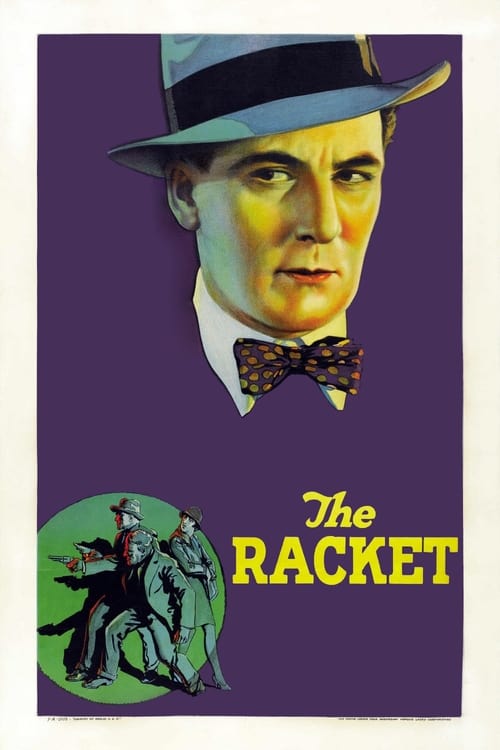
1928
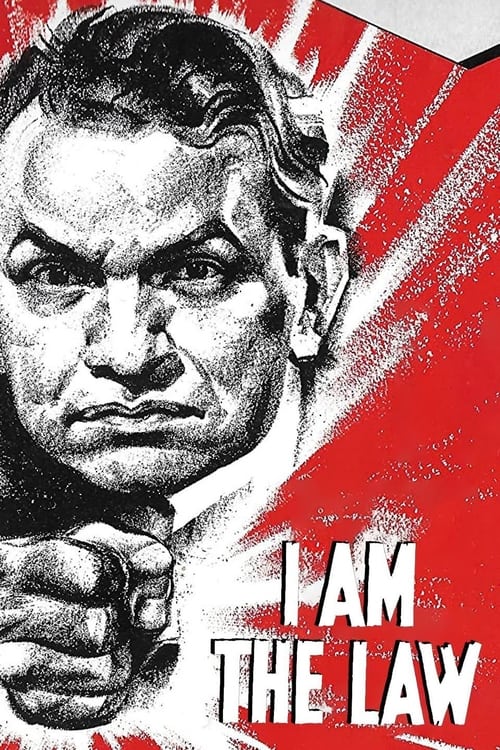
1938
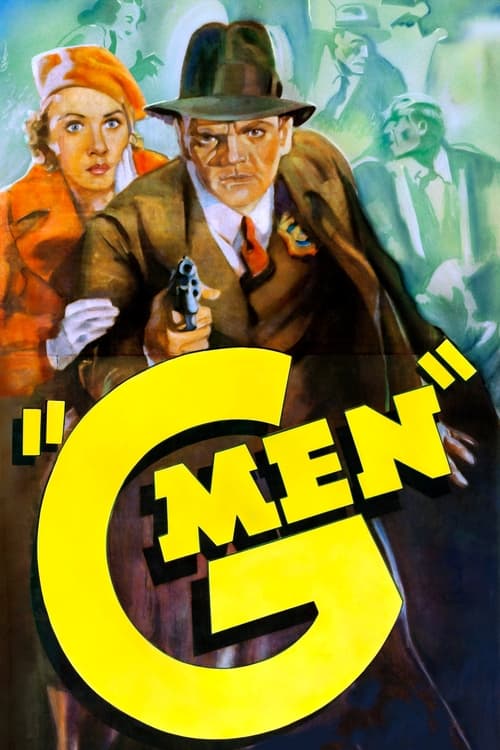
1935
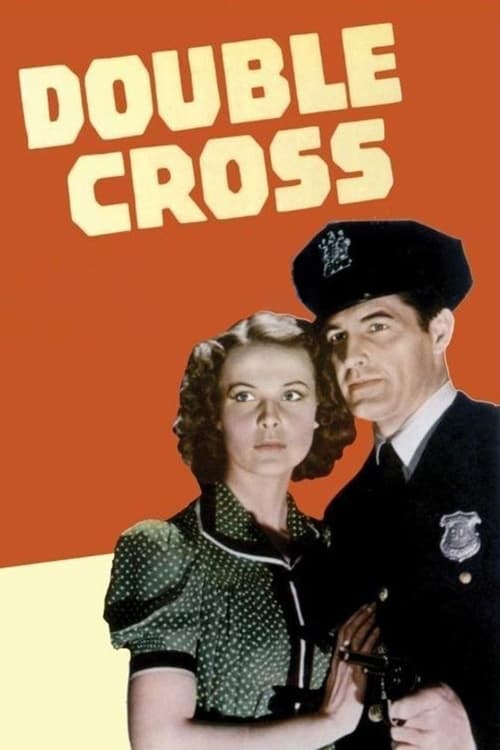
1941
No reviews yet. Be the first to share your thoughts on this movie!
Use the rating form above to leave a star rating and optional review.