The Lawyer's Secret
1931
No user ratings available yet
Representation score: 1.3 out of 10
Representation Score
Minimal
1926
PassedDirector
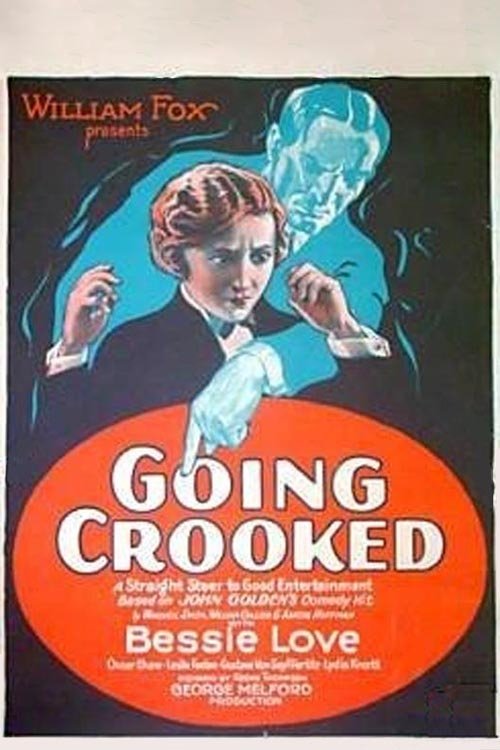
George Melford
Runtime
60 minutes
Average Rating
No ratings yetNew Showbiz Analysis
Going Crooked is a product of the bk20s studio system, prioritizing traditional crime-melodrama archetypes over demographic breadth. While it avoids some common clichés, it lacks multi-layered complexity. The film's strength lies in its characterization of the female lead, who possesses an ethical compass that drives the plot. This provides a more nuanced perspective than the standard 'damsel in distress' seen in many silent era dramas. However, the film is limited by the era's casting norms and narrative focus. It offers almost no representation for racial minorities, LGBTQ+ individuals, or people with disabilities, resulting in a narrow social scope.
Category Breakdown
The film does not include any LGBTQ+ characters or non-straight identities. It follows a traditional crime-drama structure typical of the 1920s.
The female protagonist plays a significant role in driving the story by refusing to participate in a violent robbery. However, her role in the legal drama remains undefined.
There is no indication of a diverse cast or non-Anglo-Saxon characters. The production likely adhered to the homogeneous casting norms of the era.
The story critiques systemic failure through a District Attorney's wrongful conviction. This focus on legal injustice aligns with traditional crime-melodrama clichés.
No characters with visible or invisible disabilities are mentioned in the narrative. The film does not address disability representation.
Present on Screen
Limited or Absent
Official Synopsis
A young women is part a jewel theft ring, but opts out of a robbery because guns will be used. A man gets killed in that operation and the district attorney convicts an innocent man.
1931

1930

1929

1929
1932
1934

1927
1932
No reviews yet. Be the first to share your thoughts on this movie!
Use the rating form above to leave a star rating and optional review.