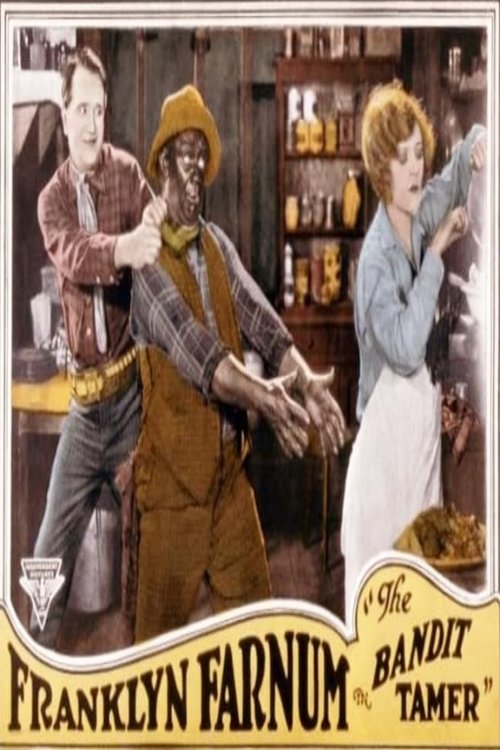
The Bandit Tamer
1925
No user ratings available yet
Representation score: 0.6 out of 10
Representation Score
Minimal
1921
PassedDirector
Richard E. Norman
Runtime
50 minutes
Average Rating
No ratings yetNew Showbiz Analysis
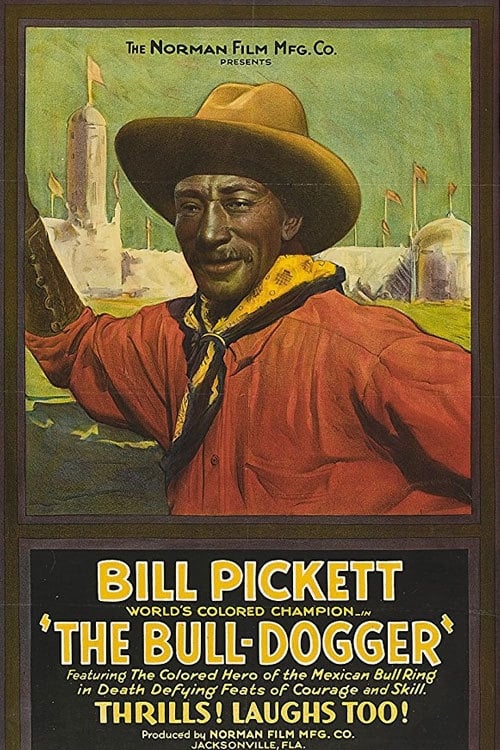
The Bull-Dogger stands out as an unusual film within the early Western genre. While it adheres to the strict gender hierarchies and cultural norms of the 1920s, Bill Pickett's role as a Black cowboy with professional expertise offers a notable exception. Bill Pickett's character challenges the Anglo-Saxon dominance common in early Western cinema. His mastery of physical labor provides a unique perspective that counters the era's exclusionary practices. However, the film's impact is limited by its narrow focus on masculine ranching duties and a lack of diverse social viewpoints. It excels in racial representation but remains traditional in other respects.
Category Breakdown
The film does not include any characters or identities related to LGBTQ+. It follows the social norms of the 1920s Western genre.
The story focuses mainly on traditional masculine roles in ranching and labor. There is no evidence of women taking active roles or challenging male leadership.
Bill Pickett, a Black cowboy, significantly disrupts the typical white Western archetype. His role highlights his professional skills and offers a strong counterpoint to the era's racial biases.
The film depicts the hardworking, traditional lifestyle typical of Western movies. It aligns with the values of rural labor and frontier ranching.
There are no visible or invisible disabilities shown in the surviving footage or documented synopsis.
Present on Screen
Limited or Absent
Official Synopsis
The famous black cowboy Bill Pickett shows his prowess in rodeos. Only small parts of the film survive.
1925
1994
1923

1925
1928
1925
1926
1941
No reviews yet. Be the first to share your thoughts on this movie!
Use the rating form above to leave a star rating and optional review.