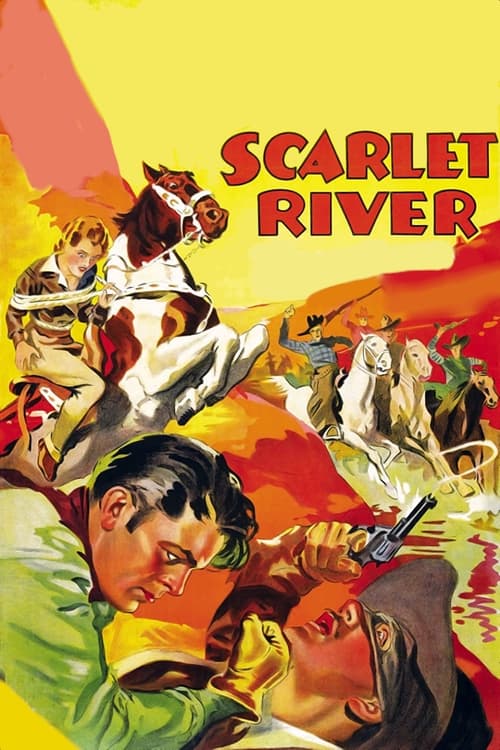
Scarlet River
1933
No user ratings available yet
Diversity score: 2.1 out of 10
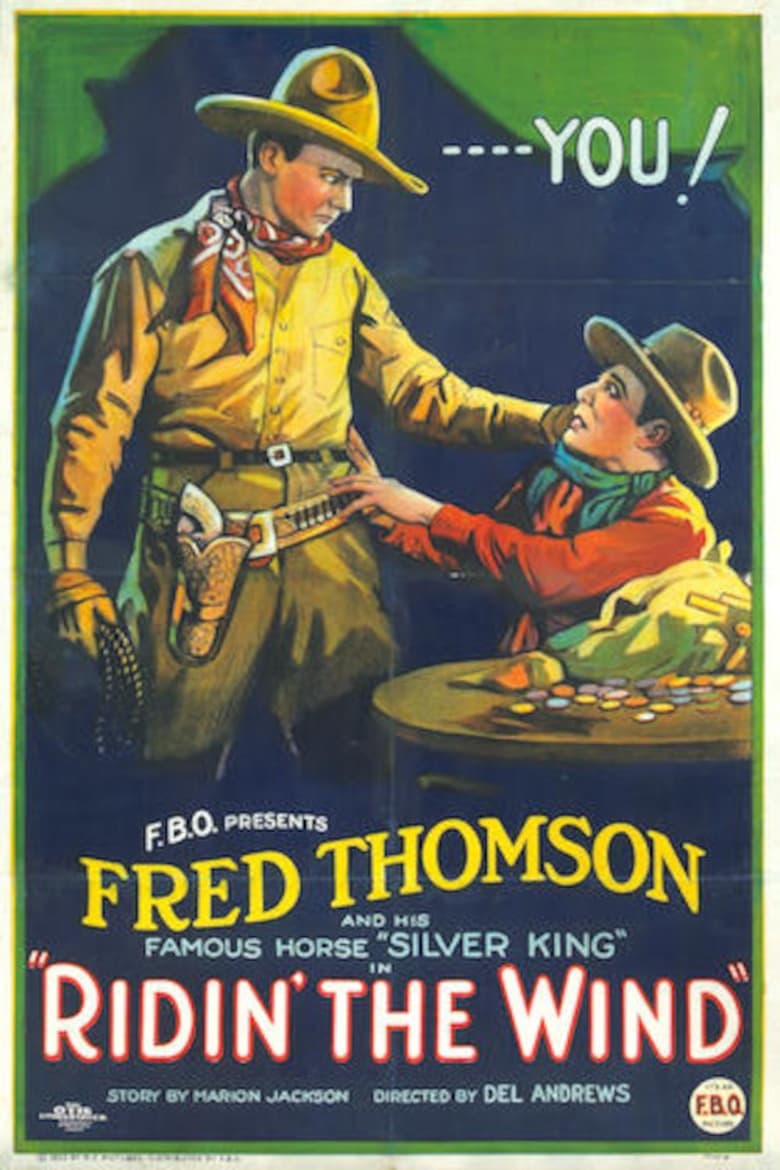
1925
PassedDirector
Del Andrews
Average Rating
No ratings yetSynopsis
1920's cowboy superstar Fred Thomson stars in this western comedy adventure.
Overall Score
Limited
Category Breakdown
LGBTQ+ Representation
The film lacks any evidence of non-cisnormative identities or same-sex intimacy. The narrative follows the era's standard of reinforcing heteronormative romantic pairings.
Gender Representation
The story centers on traditional masculine leadership and physical prowess. Female characters likely serve as romantic interests or foils within established gender hierarchies.
Racial & Ethnic Diversity
The film reflects a homogeneous depiction of the American frontier. It likely features white protagonists as the primary agents of order and civilization.
Religious & Cultural Diversity
The narrative emphasizes traditional Western values like frontier justice and individual heroism. It reinforces contemporary ideals regarding family and community stability.
Disability Representation
There is no documented evidence of characters with physical or neurodivergent disabilities in this title.
Strengths
Areas for Improvement
AI Analysis
Ridin' the Wind is a quintessential product of its era, functioning as a standard silent Western comedy. It relies heavily on the established heroic archetypes of the 1920s, specifically through the lens of superstar Fred Thomson. The film adheres to the conventional social hierarchies and moral structures typical of mid-1920s American cinema. It prioritizes traditional masculinity and heteronormative romance over any form of intersectional complexity. Ultimately, the work serves to reinforce the cultural ideals of the frontier rather than challenging them. It lacks the representation of diverse identities or the subversion of systemic norms required for a higher score.
No reviews yet. Be the first to share your thoughts on this movie!
Use the rating form above to leave a star rating and optional review.