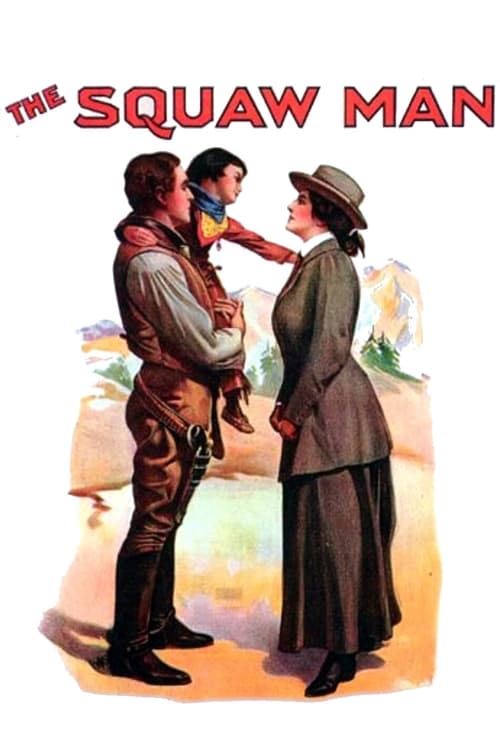
The Squaw Man
1914
No user ratings available yet
Representation score: 2.1 out of 10
Representation Score
Minimal
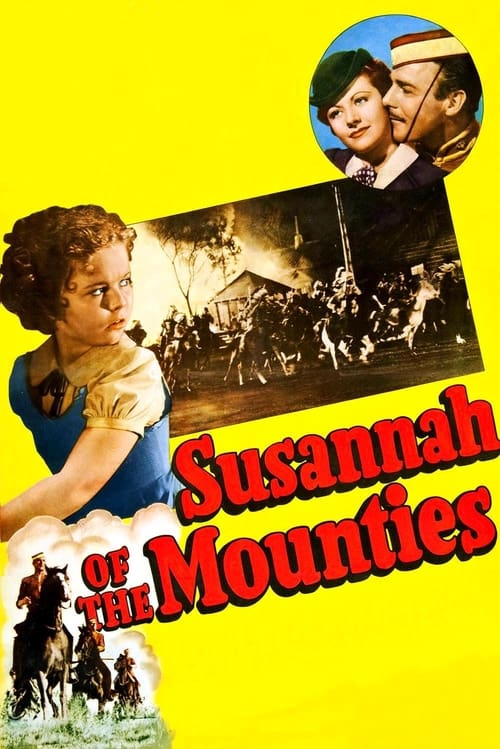
1939
NRDirector
William A. Seiter
Runtime
79 minutes
Average Rating
No ratings yetNew Showbiz Analysis
Susannah of the Mounties is a classic product of the 1930s studio system, emphasizing traditional Western archetypes over social complexity. The film reinforces established social, racial, and gender hierarchies without challenging them. The narrative relies heavily on colonial clichés, positioning Indigenous groups as external threats managed by Western authority. This creates a narrow worldview centered on the stability of the Mounties and the preservation of the family unit. Ultimately, the film offers a conventional experience that lacks real influence for underrepresented groups, focusing instead on the charm and survival of its central child protagonist within a rigid social framework.
Category Breakdown
The film follows strict assumptions that everyone is straight and cisgender. There are no LGBTQ+ identities or non-assuming gender matches what was assigned at birth perspectives represented.
Gender roles follow traditional mid-century hierarchies. Female characters like Susannah and Vicky play supportive roles to the male lead.
Indigenous characters serve mainly as catalysts for conflict rather than nuanced individuals. The story centers on the protagonist's integration into colonial structures like the Mounties.
The narrative celebrates Western institutions and the Canadian Mounties as symbols of civilization. It emphasizes a clear moral binary and the preservation of colonial order.
There are no visible or invisible disabilities portrayed among the central characters in this production.
Present on Screen
Limited or Absent
Official Synopsis
This classic family drama stars Shirley Temple as young orphan Susannah Sheldon, the sole survivor of a brutal Indian attack who's befriended by Canadian Mountie Angus Montague (Randolph Scott) and his girlfriend, Vicky (Margaret Lockwood). The couple takes Susannah under their wing and soon learn that having a precocious child around can come in handy; when the Indians return, the girl uses her charm to broker peace.Shirley is the orphaned survivor of an Indian attack in the Canadian West. A Mountie and his girlfriend take her in...
1914
1930

1959
1953
1931
1937
1931
1946
No reviews yet. Be the first to share your thoughts on this movie!
Use the rating form above to leave a star rating and optional review.