The Stolen Ranch
1926
No user ratings available yet
Diversity score: 2.8 out of 10
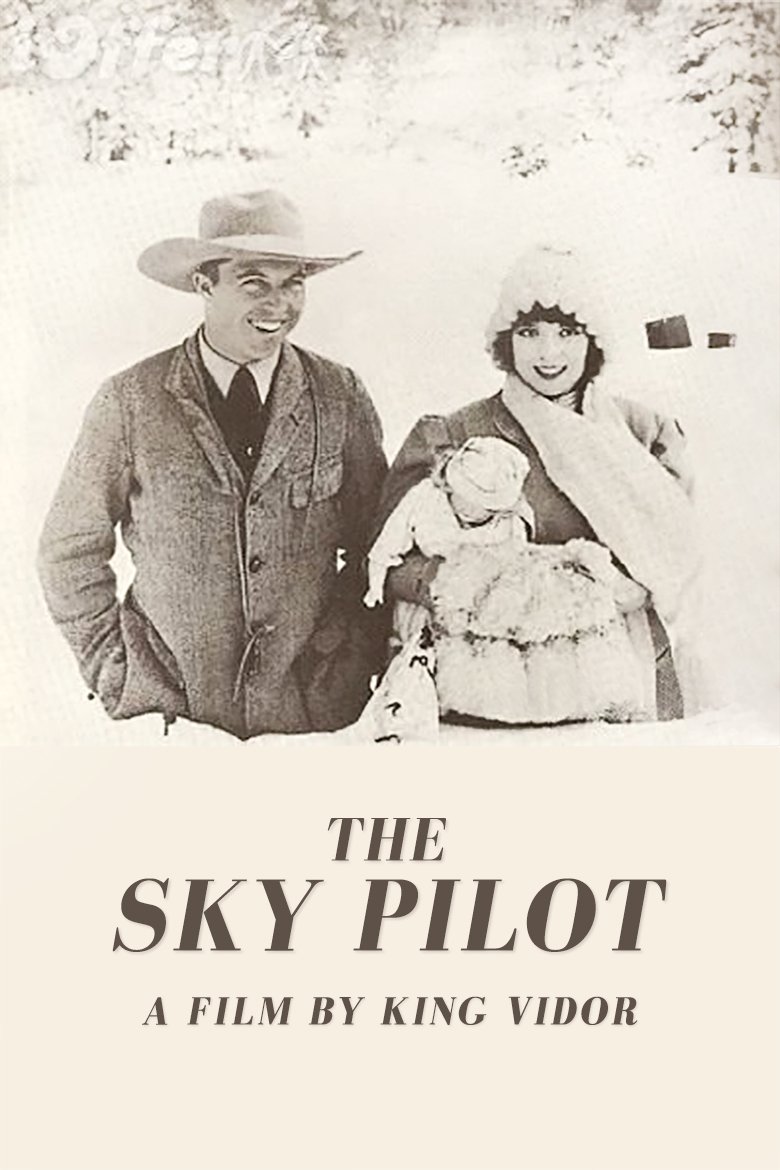
1921
NRDirector
King Vidor
Runtime
77 minutes
Average Rating
No ratings yetSynopsis
Arthur Moore, a missionary preacher, attempts to fit into the cowboy community so he can set up a church in the local saloon. Gwen, daughter of the "Old Timer," is injured in a stampede and loses her ability to walk. Though rejected by the townsfolk, the preacher's wisdom and love are needed if the young girl is to be healed. Shot in 'Vidor Village', Vidor's ill-fated studio property in California's High Sierra.
Overall Score
Limited
Category Breakdown
LGBTQ+ Representation
The film contains no discernible presence of non-heteronormative identities. Character dynamics remain strictly centered on traditional romantic and familial structures.
Gender Representation
Narrative agency is held by the male protagonist, who provides moral leadership. Gwen's role is defined by her vulnerability and her status as a recipient of male-driven intervention.
Racial & Ethnic Diversity
The community is depicted as largely homogeneous, following 1921 casting standards. There is no evidence of non-Anglo-Saxon characters possessing significant agency within the story.
Religious & Cultural Diversity
The film promotes a singular moral framework rooted in religious faith. It portrays religious authority as a necessary force to maintain order against frontier chaos.
Disability Representation
Gwen's loss of mobility serves as a catalyst for the protagonist's moral growth. The resolution relies on sentimentalism and spiritual healing rather than modern agency.
Strengths
Areas for Improvement
AI Analysis
The Sky Pilot is a period-typical Western that reinforces the social hierarchies of the early 20th century. It prioritizes traditional masculine leadership and religious morality as the primary stabilizing forces for the community. While the film provides a central role for a character with a physical disability, it utilizes the condition as a sentimental plot device. The narrative lacks intersectional casting and offers no representation of LGBTQ+ identities. Ultimately, the film functions to strengthen established institutions rather than critique them, adhering strictly to the conventional archetypes of its era.
1926
1930

1941
1939
1924
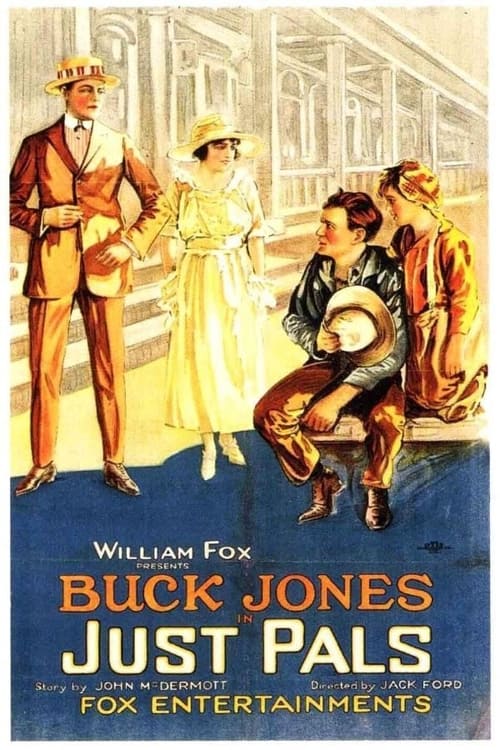
1920
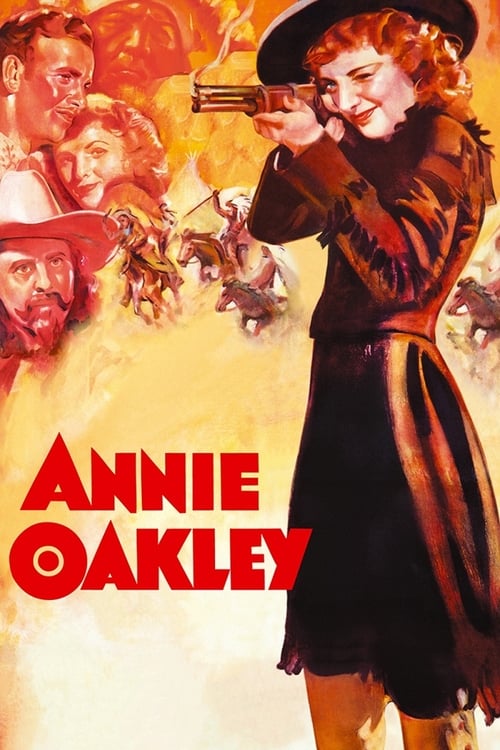
1935
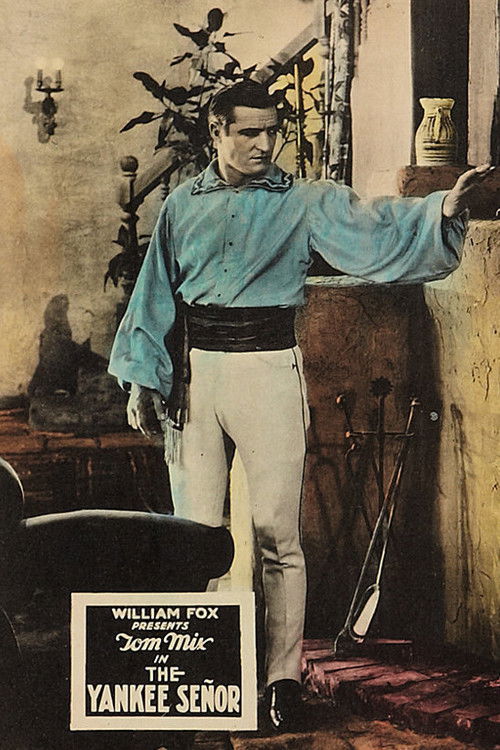
1926
1926
1925
1923
1931
No reviews yet. Be the first to share your thoughts on this movie!
Use the rating form above to leave a star rating and optional review.