
Surgikill
1989
No user ratings available yet
Representation score: 3.9 out of 10
Representation Score
Limited
1975
RDirector
Nick Millard
Runtime
62 minutes
Average Rating
No ratings yetNew Showbiz Analysis
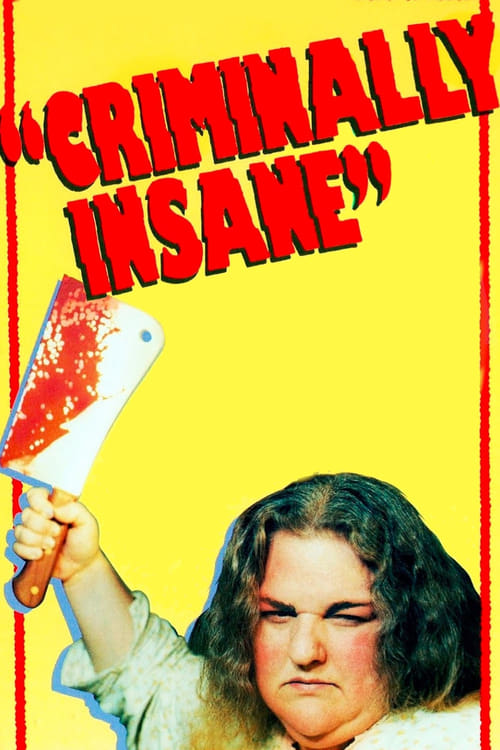
Criminally Insane is a typical 1975 exploitation film that leans heavily on genre clichés. It prioritizes shock value and 'otherness' over socially complex themes. The story centers around a single character's psychological and physical struggles, lacking diverse identities or broader societal critiques. This narrow focus limits the film's depth. Overall, the film operates within traditional genre boundaries, using disability and gender stereotypes primarily for horror rather than offering meaningful character development.
Category Breakdown
The film doesn't include any LGBTQ+ characters or stories about non-assuming gender matches what was assigned at birth identities. The main character's journey is the sole focus.
The movie has a strong female lead, but her role is tied to the 'monstrous femininity' stereotype, which emphasizes traditional fears about female independence.
There are no characters from diverse racial backgrounds, and the cast seems to follow the homogenous standards of the time.
The story delves into mental instability and social isolation but doesn't critique Western institutions or religions. It focuses more on individual issues.
The film uses mental and physical conditions as key plot points. These conditions are shown as spectacles rather than as part of a person's everyday life.
Present on Screen
Limited or Absent
Official Synopsis
An obese woman recently released from an insane asylum kills anyone who attempts to get her to stop eating.
1989
1964
1987
1986
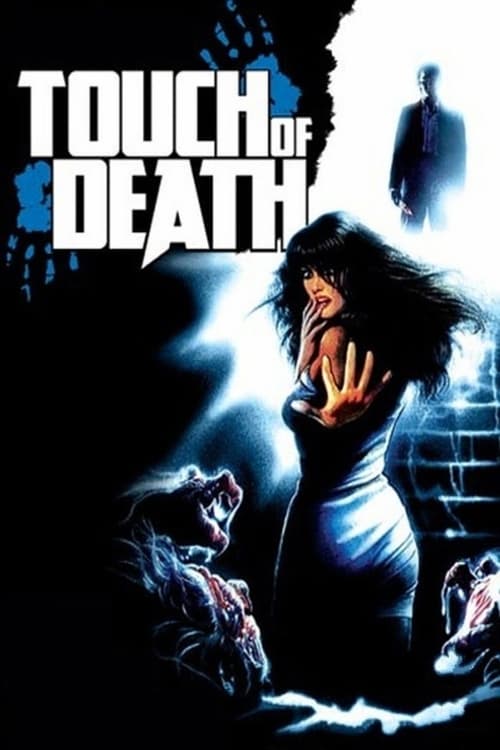
1988

2023

2022

1988
No reviews yet. Be the first to share your thoughts on this movie!
Use the rating form above to leave a star rating and optional review.