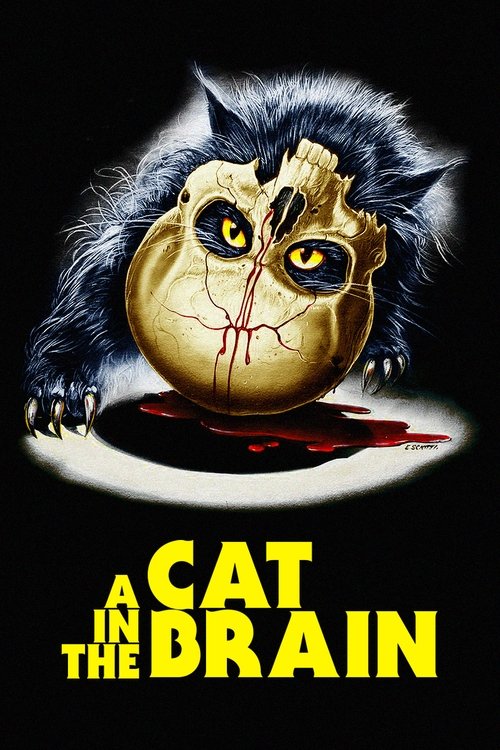
A Cat in the Brain
1990
No user ratings available yet
Representation score: 5.3 out of 10
Representation Score
Limited
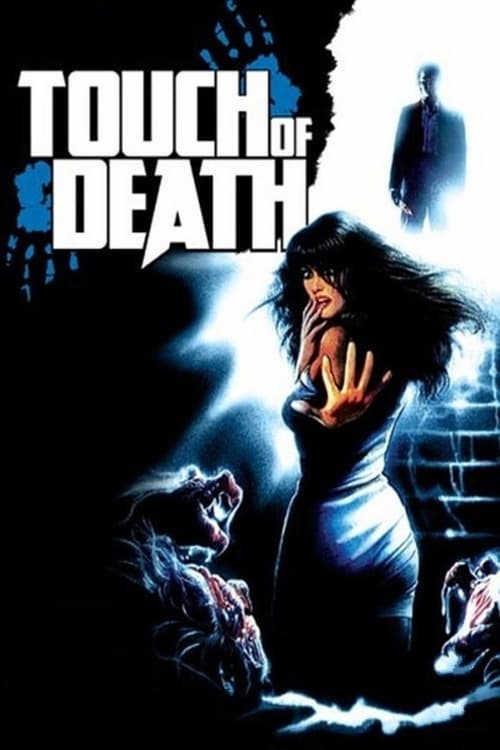
1988
UnratedDirector
Lucio Fulci
Runtime
86 minutes
Average Rating
No ratings yetNew Showbiz Analysis
Touch of Death is a traditional 1980s slasher film that prioritizes genre-specific thrills over social commentary. The narrative centers on a cannibalistic antagonist and a copycat killer, operating within conservative cinematic boundaries. The film relies heavily on established clichés, such as the predatory male and the female victim. It does not intentionally represent diverse identities, focusing instead on themes of deception and paranoia. Ultimately, the work functions as a standard exploration of violence. It does not attempt to challenge social, gender, or racial hierarchies, remaining firmly rooted in the conventions of its era.
Category Breakdown
The film follows conventional assumptions that everyone is straight or cisgender. It does not include any non-straight or non-cisgender identities or give these characters significant roles.
Female characters mainly serve as targets of violence or objects of predatory schemes. The film reinforces the cliché of the predatory male figure without challenging gender hierarchies.
Casting follows typical Western European cinematic standards of the 1980s. There is no significant evidence of diverse casts or actors playing roles traditionally associated with different races.
The narrative presents a cynical view of social interactions through a get-rich-quick scheme. It focuses on psychopathy rather than critiquing institutions or capitalism.
Characters with visible or invisible disabilities are not given significant roles. Physical trauma is used as a plot device rather than exploring their lived experiences.
Present on Screen
Limited or Absent
Official Synopsis
The financially strained and increasingly desperate, Lester Parsons concocts a brilliant get-rich-quick scheme; cruise the lonely hearts ads for rich women to fleece. Too bad then, that Lester’s also a psychotic cannibal who enjoys mutilating these lovelorn souls, via his trusty chainsaw, and using their flesh for his dinner. When a copycat killer threatens to bring him down, Lester must do all he can to prevent this new killer’s sloppy work from ruining them both.
1990
1964
1988
1986
1988
1982
1975

2021
No reviews yet. Be the first to share your thoughts on this movie!
Use the rating form above to leave a star rating and optional review.