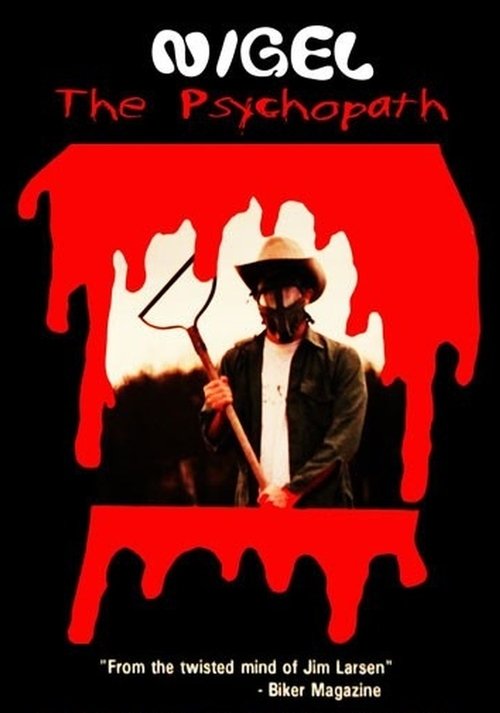
Nigel the Psychopath
1994
No user ratings available yet
Representation score: 0.0 out of 10
Representation Score
Minimal
1989
Not RatedDirector
Carlton J. Albright
Runtime
80 minutes
Average Rating
No ratings yetNew Showbiz Analysis
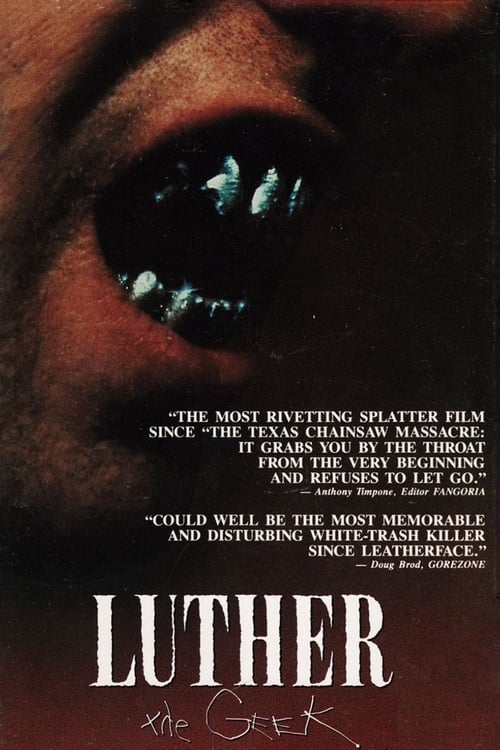
Luther the Geek is a classic example of the late-1980s slasher genre, emphasizing established horror clichés over social complexity. The narrative heavily relies on traditional patterns of male-driven violence and gendered vulnerability, offering little in the way of challenging these power dynamics. The film's approach to diversity is minimal, showing a uniform social environment. It focuses on a localized, character-driven horror story that upholds conventional social expectations without questioning them. Ultimately, the film uses psychological instability as a convenient excuse for violence. This reliance on mental health as a simple explanation for villainy prevents any meaningful or nuanced exploration of disability or social identity.
Category Breakdown
The film does not include any LGBTQ+ characters or non-straight relationships. The interpersonal dynamics revolve around a predatory, heterosexual relationship without any queer undertones.
Gender roles adhere to typical horror movie conventions, where the female protagonist is portrayed as a passive target of male aggression. The film lacks strong female influence and reinforces traditional victimhood stereotypes.
The cast and setting depict a uniform social environment typical of late-1980s small-town horror. There is a noticeable lack of significant racial or ethnic diversity.
The narrative centers on individual mental instability rather than critiquing broader societal structures. It presents a standard moral framework focused on personal psychological issues.
Mental health issues are the main reason for the villain's violent behavior. The film fails to provide nuanced depictions of characters with disabilities having real influence.
Present on Screen
Limited or Absent
Official Synopsis
A psychotic killer convicted of multiple murders is released on parole after spending twenty years in prison. His psychosis immediately takes over and he goes on a killing spree.
1994

1983
2022
1986
1975
2021
1988
1985
No reviews yet. Be the first to share your thoughts on this movie!
Use the rating form above to leave a star rating and optional review.