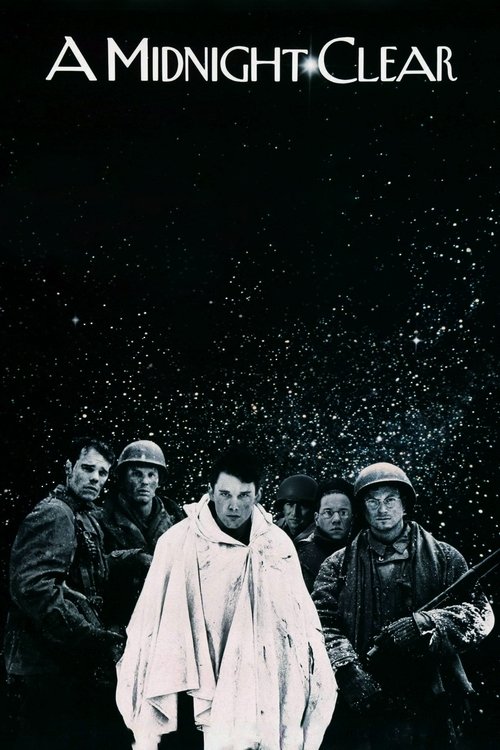
A Midnight Clear
1992
No user ratings available yet
Representation score: 3.7 out of 10
Representation Score
Minimal
2002
TV-PGDirector
Rodney Gibbons
Runtime
100 minutes
Average Rating
No ratings yetNew Showbiz Analysis
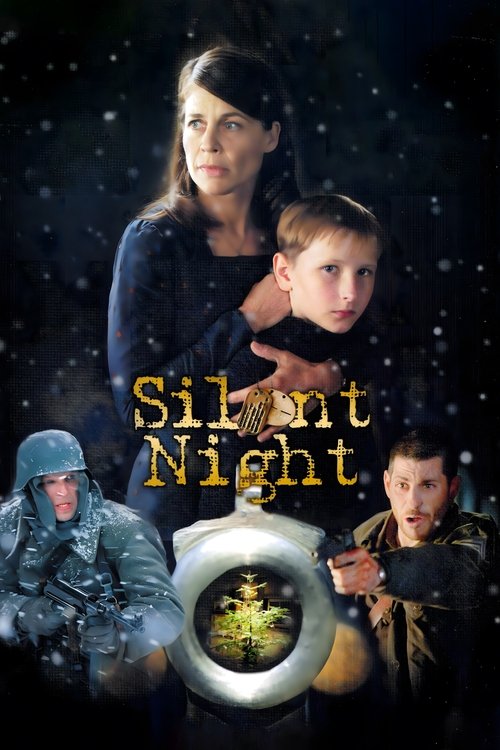
Silent Night is a traditionalist film that prioritizes theological fidelity over social critique. Its narrative structure upholds established religious hierarchies and classical archetypes. While the film includes diverse ethnic backgrounds through the Magi, this inclusion reinforces the universality of the religious event rather than serving as a tool for systemic critique. Ultimately, the film upholds singular moral truths and preserves historical-religious norms within a conventional moral paradigm.
Category Breakdown
The film adheres to a traditional nuclear family structure without including any LGBTQ+ identities. It focuses solely on cisgender characters within a heterosexual context.
The story upholds traditional gender roles. Mary is portrayed as a nurturing mother, while Joseph embodies the protective father archetype.
The film showcases moderate racial diversity through the depiction of the Magi. These characters come from different ethnic backgrounds, reflecting a global perspective.
The narrative centers on a traditional Christian worldview. It emphasizes divine providence and the sanctity of religious institutions, reinforcing a singular moral framework.
The film does not address neurodivergence, physical disabilities, or chronic illnesses. Characters are depicted within the typical parameters of the biblical epic genre.
Present on Screen
Limited or Absent
Official Synopsis
Fact-based World War II story set on Christmas Eve, 1944, finds a German Mother and her son seeking refuge in a cabin on the war front. When she is invaded by three American soldiers and then three German soldiers, she successfully convinces the soldiers to put aside their differences for one evening and share a Christmas dinner.
1992
1949

1979

1965

2005

2005

1992
2011
No reviews yet. Be the first to share your thoughts on this movie!
Use the rating form above to leave a star rating and optional review.