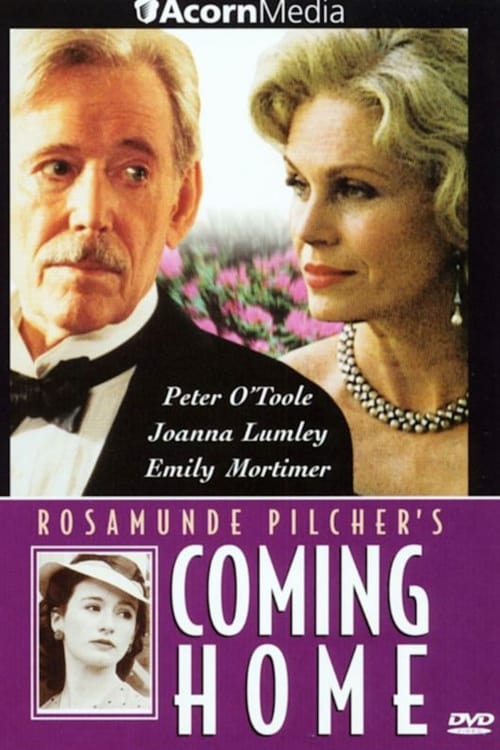
Coming Home
1998
No user ratings available yet
Representation score: 3.8 out of 10

Representation Score
Minimal
1978
PGDirector
Umberto Lenzi
Runtime
102 minutes
Average Rating
No ratings yetNew Showbiz Analysis
The film explores World War II through a traditional lens, focusing on the experiences of two families. It follows the cinematic conventions of the late 1970s, emphasizing established gender and racial hierarchies. The narrative centers on the Western experience of conflict, highlighting patriarchal structures and the roles of fathers and sons. This focus limits the demographic scope and results in a narrow, Eurocentric perspective on the historical realities of war.
Category Breakdown
The film does not include any LGBTQ+ characters or stories. It focuses solely on heterosexual relationships and the traditional family structure.
The story mainly highlights the experiences of men in combat, while women are mostly shown in passive roles related to the home or as victims of war.
The film centers on a conflict between German and American families, featuring a predominantly white cast typical of 1970s European war films.
The story emphasizes the Western nuclear family's experience during wartime, focusing on historical conflict without broader secular or anti-Western critiques.
The film does not feature characters with disabilities having significant roles or ability to act. Physical injuries are used primarily as plot devices.
Present on Screen
Limited or Absent
Official Synopsis
A story of how World War II affected the lives of a German family and an American family, both of whom had sons and fathers fighting in the war.
1998

1946

2004

1960

2002

1958

1962

1958
No reviews yet. Be the first to share your thoughts on this movie!
Use the rating form above to leave a star rating and optional review.