
The Good, the Bad, the Weird
2008
No user ratings available yet
Representation score: 4.8 out of 10

Representation Score
Fair
2007
RDirector
Takashi Miike
Runtime
121 minutes
Average Rating
No ratings yetNew Showbiz Analysis
Takashi Miike’s work serves as a postmodern critique of the Western genre. By blending multi-ethnic elements, it creates a unique cultural intersection that challenges traditional genre boundaries. However, the film remains entrenched in hyper-masculine clichés. The lack of gender diversity and LGBTQ+ representation narrows the social landscape. The narrative emphasizes physical combat and outlaw figures, limiting broader social exploration. Ultimately, the film offers a mix of cultural subversion and traditional exclusivity.
Category Breakdown
The film focuses on a hyper-masculine setting with no visible LGBTQ+ characters or stories involving non-straight relationships.
The film centers around male characters and violent, masculine roles. Women have limited influence, emphasizing a traditional power dynamic where combat is dominated by men.
The film features a diverse cast that breaks the typical homogeneity of Western films. It combines Japanese and Western styles to create a globally inclusive atmosphere.
The story challenges the idea of Western civilization as a civilizing force by showing traditional institutions as corrupt. It presents a world of lawlessness and situational ethics rather than centralized moral authority.
The film does not significantly feature characters with disabilities or give them meaningful roles. The emphasis remains on the physical demands of the action genre.
Present on Screen
Limited or Absent
Official Synopsis
A nameless gunfighter arrives in a town ripped apart by rival gangs and, though courted by both to join, chooses his own path.
2008
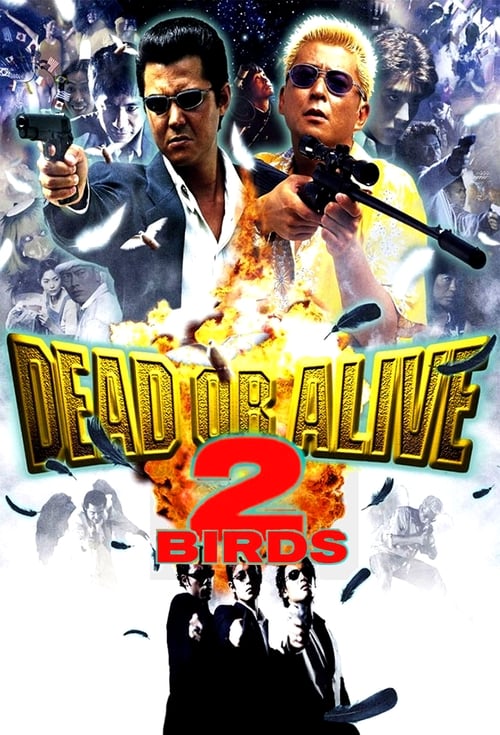
2000
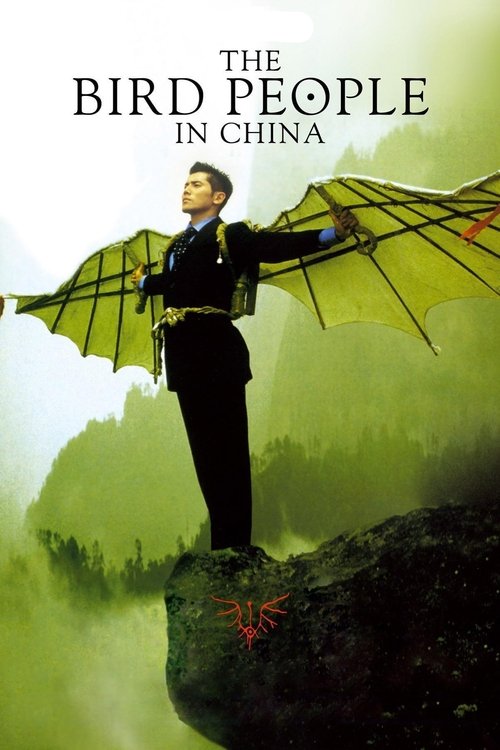
1998
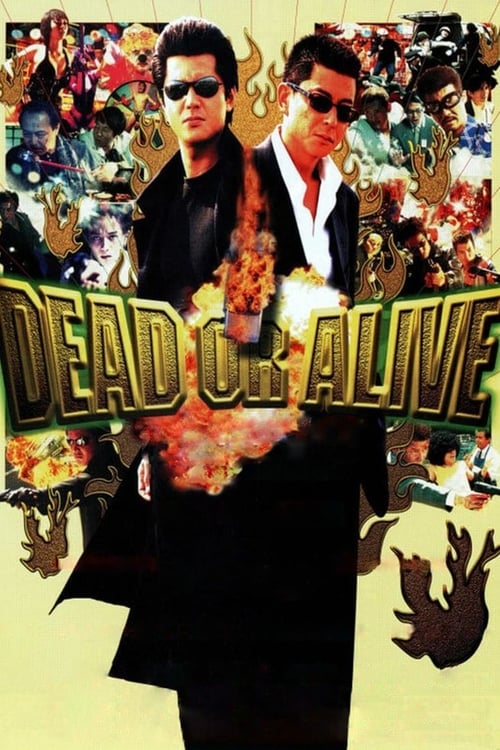
1999
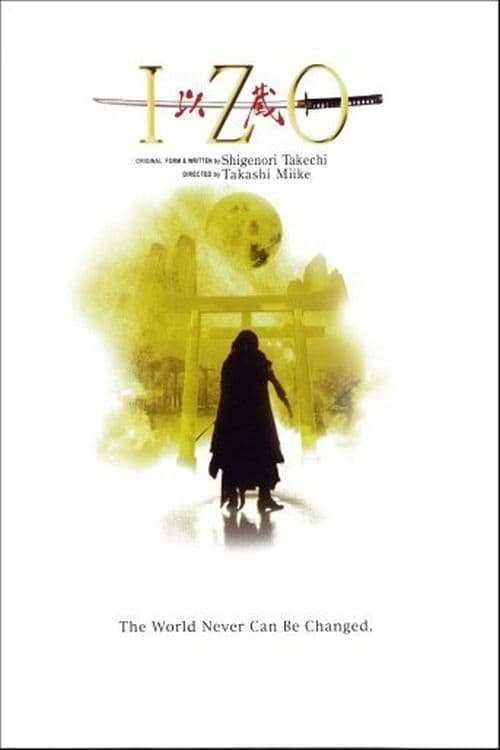
2004
2015
1995

2005
No reviews yet. Be the first to share your thoughts on this movie!
Use the rating form above to leave a star rating and optional review.