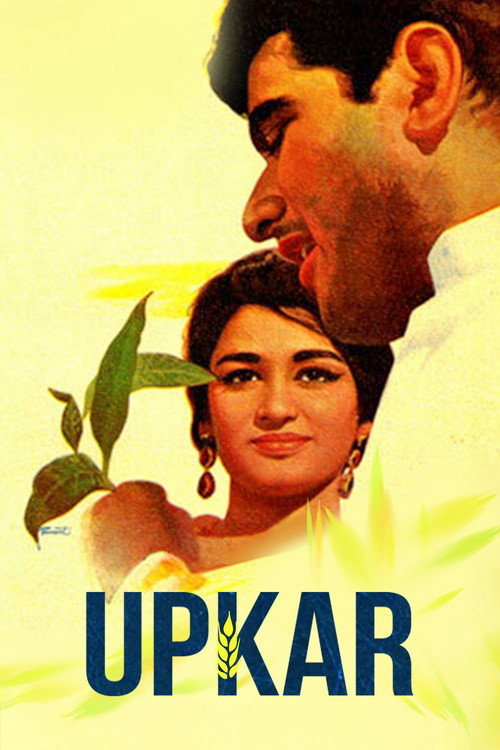
Upkar
1967
No user ratings available yet
Representation score: 3.5 out of 10
Representation Score
Fair
1974
Director
Manoj Kumar
Runtime
161 minutes
Average Rating
No ratings yetNew Showbiz Analysis
The film is a deep social critique focusing on class struggle rather than identity diversity. It highlights the failure of post-colonial institutions to ensure basic human dignity. Though it scores low in LGBTQ+ and disability representation, it excels in cultural depth. By framing the individual's fight against systemic decay, it offers a sophisticated commentary. Ultimately, the film's strength lies in its empathetic portrayal of the underrepresented urban class and their socioeconomic struggles rather than demographic variety.
Category Breakdown
The film follows traditional heterosexual relationships without showing any non-cisgender identities or same-sex intimacy.
Female characters like Sheetal have professional roles but their stories are often driven by economic needs. The main conflicts revolve around the male protagonists.
The cast is mostly from the same cultural background, avoiding foreign looks and not using diverse actors to break ethnic norms.
The story offers a strong critique of colonial and capitalist failures. It explores the tension between survival and absolute morality in a nuanced way.
The film does not show significant or intentional representations of physical or neurodivergent disabilities.
Present on Screen
Limited or Absent
Official Synopsis
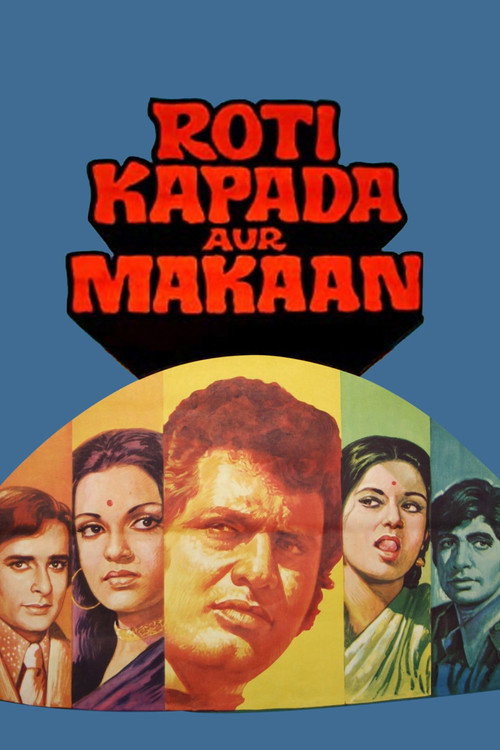
After his father's retirement, the onus is on Bharat to look after his Delhi-based family. He has two younger college-going brothers, Deepak and Vijay, and a sister of marriage age, Radha. Bharat is a graduate, but is unable to secure any employment, much to the frustration of his girlfriend, Sheetal. Vijay takes step to secure his own future, by turning to crime, which is strongly opposed by Bharat, and as a result Vijay leaves the house. Mohan is Sheetal's boss, and finds her very attractive. When he proposes marriage, she accepts, and soon both are married. This leaves Bharat devastated, unable to deal with life, and unable to afford the basic needs of Roti (food), Kapada (clothing), and Makaan (shelter), he must now decide to carry on honestly, or otherwise
1967
1992
1985
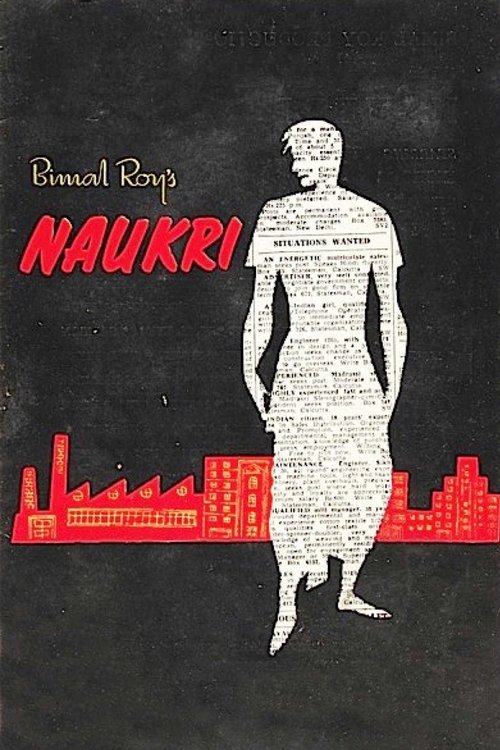
1954
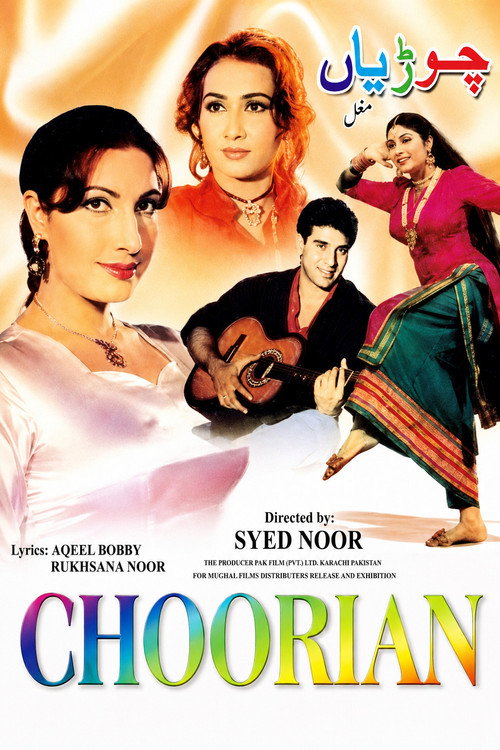
1998
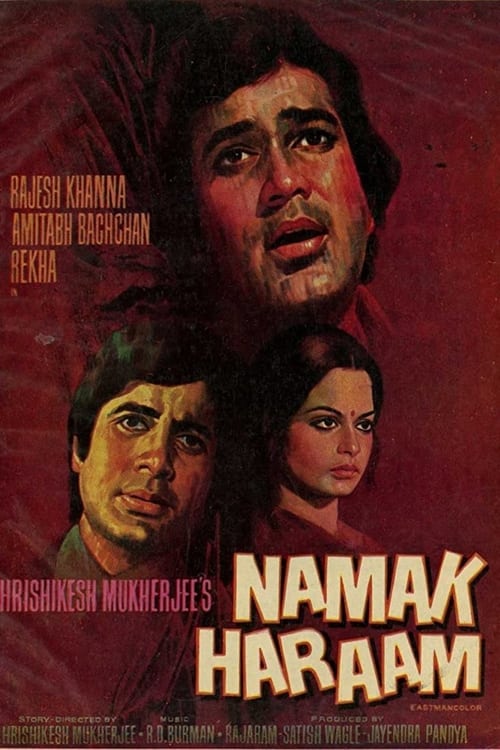
1973
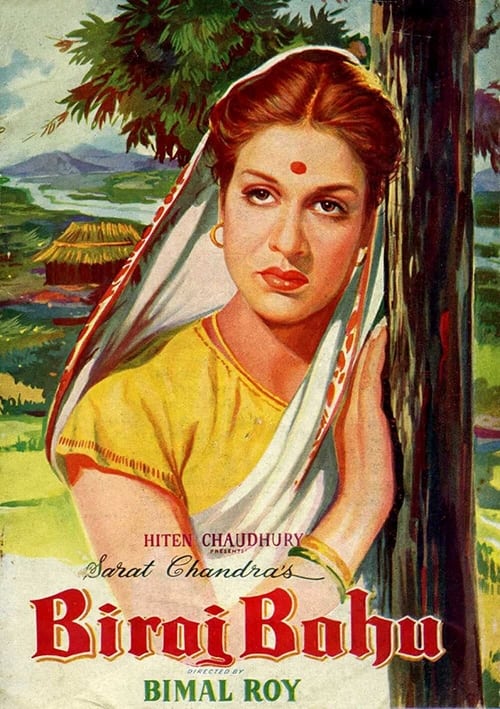
1954
1974
No reviews yet. Be the first to share your thoughts on this movie!
Use the rating form above to leave a star rating and optional review.