Arjun
1985
No user ratings available yet
Representation score: 2.6 out of 10
Representation Score
Limited
1973
Not RatedDirector
Hrishikesh Mukherjee
Runtime
146 minutes
Average Rating
No ratings yetNew Showbiz Analysis
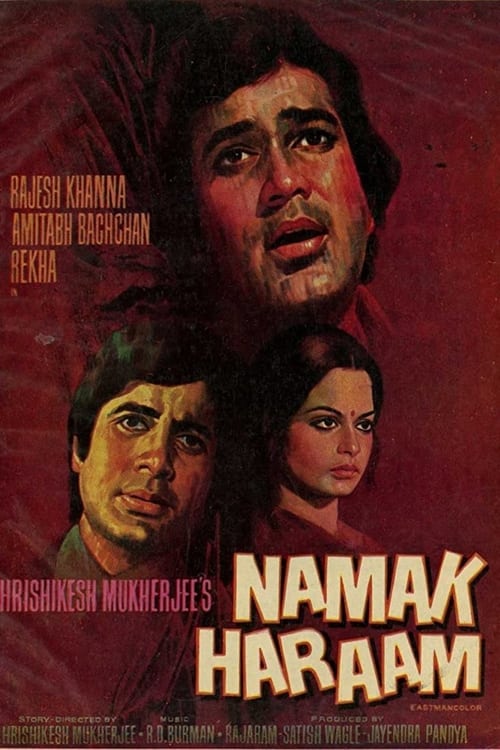
Namak Haraam is a sophisticated social drama that deconstructs loyalty and critiques systemic corruption. It excels at exploring the tension between individual ethics and institutional pressures, offering a deep look at socioeconomic strata. However, the film remains conservative in its social depictions. The narrative structure is heavily male-centric, and the representation of gender follows traditional hierarchies rather than challenging them. Ultimately, the film’s strength lies in its cultural authenticity and its ability to frame moral disillusionment as a response to a failing social order.
Category Breakdown
The film adheres to a traditional mid-20th-century framework. There are no representations of non-traditional gender identities or same-sex relationships.
The story focuses on male-driven moral conflicts and professional rivalries. Sharmila Tagore’s role is tied closely to the emotional journeys of the male protagonists.
The film presents a culturally authentic and homogeneous portrayal of India. It avoids Western-centric views by focusing on the post-independence Indian social fabric.
The story critiques the power dynamics between labor and capital. It examines the breakdown of trust and the complexities of situational ethics within a social order.
There are no prominent depictions of visible or invisible disabilities. No character arcs are driven by disability within the narrative.
Present on Screen
Limited or Absent
Official Synopsis
Somu and Vicky decide to exact revenge on the union leader, Bipinlal Pandey. However, when Somu understands the plight of the workers, it creates a rift between the two friends.
1985

1958
1980
1992
1981
1985
1988
1978
No reviews yet. Be the first to share your thoughts on this movie!
Use the rating form above to leave a star rating and optional review.