
Tokyo Ghoul
2017
No user ratings available yet
Representation score: 5.3 out of 10
Representation Score
Good
2015
TV-MADirector
Soichi Shimada
Runtime
30 minutes
Average Rating
No ratings yetNew Showbiz Analysis
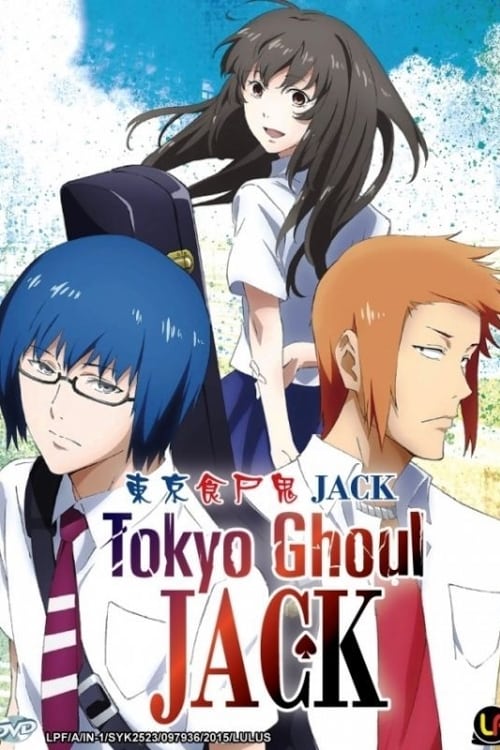
Tokyo Ghoul: Jack is a character study centered on alienation and systemic friction. It avoids traditional hero-versus-villain clichés, opting for a morally ambiguous exploration of identity and societal norms. The narrative uses speculative biology to explore the dynamics between the oppressor and the oppressed. While it lacks overt demographic representation, it uses the concept of the 'outsider' as a central thematic pillar. Ultimately, the film provides a critique of established institutions and the definition of humanity, though it remains limited by a predominantly male-driven, homogeneous cast.
Category Breakdown
The story focuses on the conflict between humans and ghouls, with no explicit depiction of LGBTQ+ characters or non-cisgender identities.
The plot centers on male-driven pursuits of vengeance and duty. Female characters have limited roles and ability to act within the story.
Set in Tokyo, the cast is predominantly Japanese. Ghouls represent a metaphor for racial and ethnic 'otherness' within a dominant society.
The film critiques state-sanctioned institutions by contrasting the rigid CCG task force with the subjective, personal motivations of its main characters.
Ghouls serve as a biological metaphor for transformative illness and physical 'otherness.' The film lacks specific human characters with neurodivergent or physical disabilities.
Present on Screen
Limited or Absent
Official Synopsis
Who needs school, who needs baseball, and who needs friends? That's the attitude of high school delinquent, Taishi Fura, who became a loner after falling out with his peers. One day, he witnesses the brutal attack of a ghoul, which left one of his former friends in the hospital and the other dead. Determined to avenge them, Fura decides to pursue the man-eating monster. His efforts allow him to cross paths with Kishou Arima, a quiet student who also attends his high school. Arima, however, is no ordinary student. Despite his young age, he is a full-fledged investigator of the CCG, a government task force that strives to deal with the ghoul threat. Together, Fura and Arima hunt down the ghoul, known as Lantern, but it soon becomes apparent the monster may be closer than anyone suspects. In this side story, Tokyo Ghoul: "Jack" offers a glimpse into the past of Kishou Arima, well before he ever became the CCG's feared God of Death.
2017
2016
2019
1988
2021
2023
2015
2015
No reviews yet. Be the first to share your thoughts on this movie!
Use the rating form above to leave a star rating and optional review.