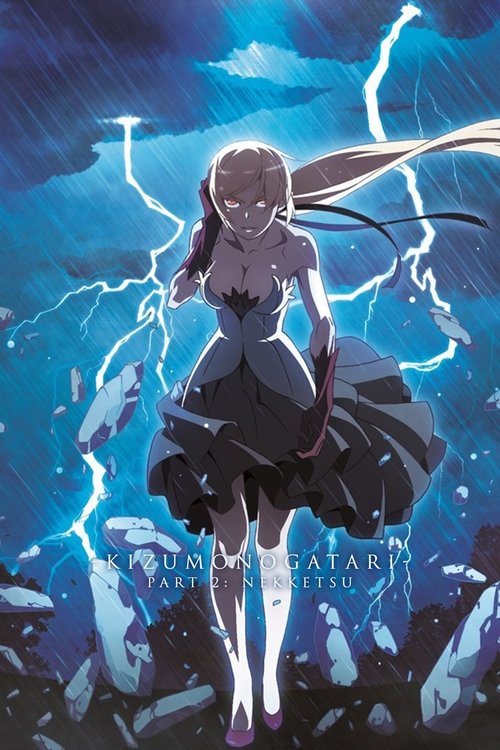
Kizumonogatari Part 2: Nekketsu
2016
No user ratings available yet
Representation score: 5.5 out of 10
Representation Score
Fair
2016
18+Director
Tatsuya Oishi, Akiyuki Shinbo
Runtime
63 minutes
Average Rating
No ratings yetNew Showbiz Analysis
Kizumonogatari Part 1 is a stylized dark fantasy that prioritizes psychological abstraction over broader social dimensions. It disrupts traditional gender hierarchies by centering a powerful, non-submissive female figure who drives the supernatural conflict. However, the film remains largely unengaged with broader socio-political dimensions. It lacks representation regarding race, ethnicity, or LGBTQ+ identities, opting instead to explore the deconstruction of the self through a supernatural lens. Ultimately, the narrative structure is designed for genre-specific clichés rather than sociological critique, resulting in a narrow focus on individual ability to act and survival.
Category Breakdown
The film does not include explicit LGBTQ+ characters or storylines. The relationship between the protagonist and the supernatural entity follows traditional genre conventions without addressing non-cisgender identities.
The character Kiss-shot subverts gender hierarchies by acting as an apex predator with overwhelming power. Despite the dialogue focusing on the male protagonist, the power dynamic avoids patriarchal control.
Set in a contemporary Japanese urban environment, the cast is culturally homogeneous. The narrative focuses on internal psychological struggles rather than ethnic or racial issues.
The story explores moral relativism through the human-versus-monster dichotomy. It lacks systemic critiques, focusing instead on individualistic struggles for control within a fantasy setting.
The protagonist's involuntary transformation serves as a metaphor for losing bodily control. However, this functions as a genre plot device rather than a nuanced exploration of disability.
Present on Screen
Limited or Absent
Official Synopsis
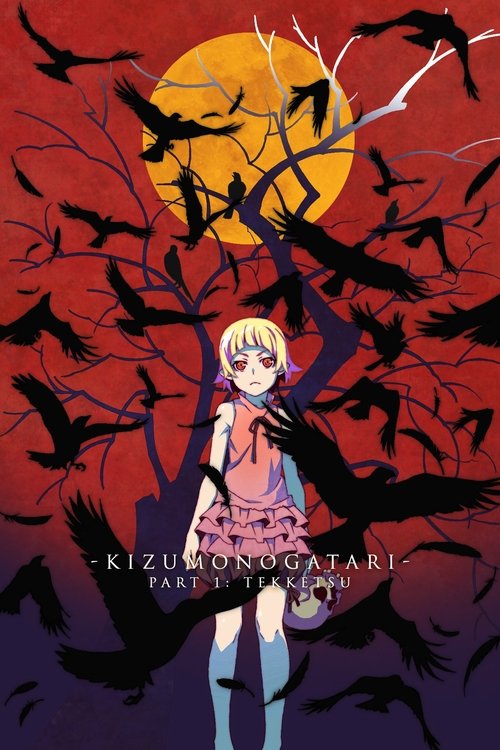
One day, Koyomi Araragi encounters the horrifying vampire, Kiss-shot Acerola-orion Heart-under-blade A.K.A. the "King of Apparitions." He saves the fatally wounded Kiss-shot by offering his blood at the expense of his own life as a human. Now Koyomi has to face the vampire hunters to retrieve Kiss-shot’s limbs which were taken by these hunters...
2016
2017

2024
2017
2000
No reviews yet. Be the first to share your thoughts on this movie!
Use the rating form above to leave a star rating and optional review.