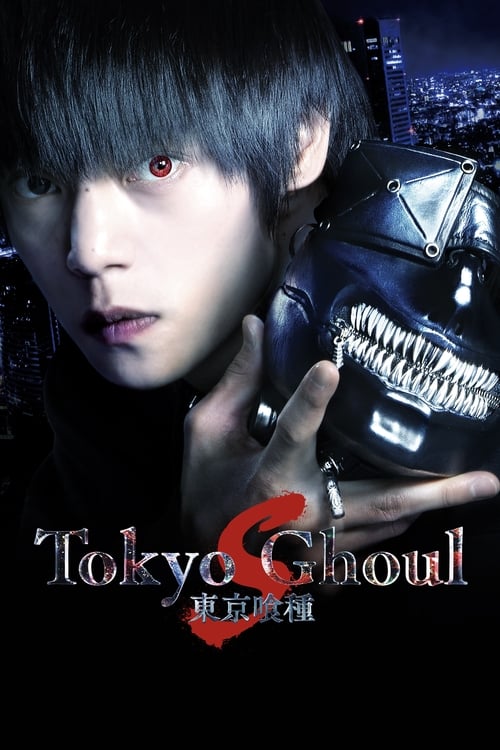
Tokyo Ghoul 'S'
2019
No user ratings available yet
Representation score: 7.6 out of 10
Representation Score
Good
2015
Director
Tadahito Matsubayashi
Runtime
24 minutes
Average Rating
No ratings yetNew Showbiz Analysis
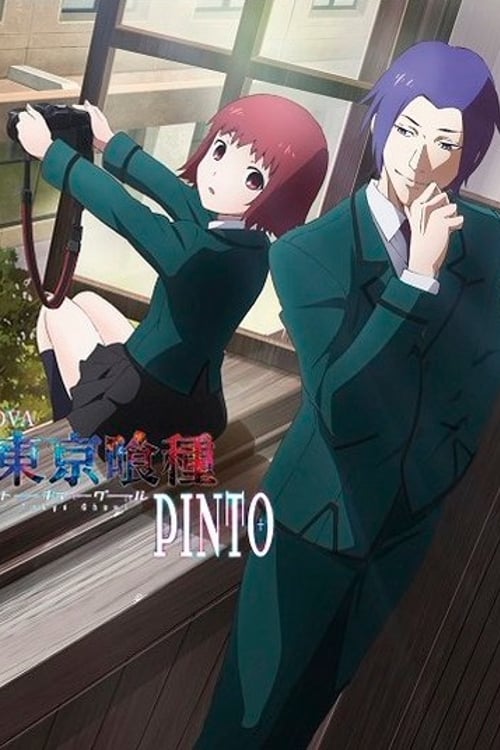
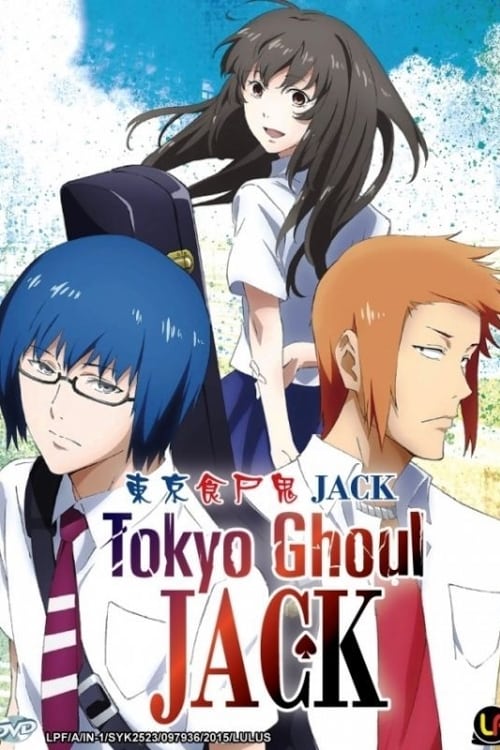
In Tokyo Ghoul: Pinto, supernatural elements are used to explore identity and exclusion. The film challenges traditional social and gender expectations through its focus on moral relativism and non-conventional characters. However, the film's reliance on species-based metaphors limits its exploration of diversity. The homogeneous demographic and the focus on 'otherness' through ghouls restrict the scope of representation. Overall, the OVA offers a compelling look at characters outside conventional social norms, though it remains confined by genre conventions.
Category Breakdown
Shuu Tsukiyama's character challenges traditional social scripts with a non-conformist persona. His intensity hints at non-traditional expressions of desire, but the OVA doesn't include an explicit queer romance.
Tsukiyama and Hori's interactions defy typical gender roles. They prioritize survival instincts and personal freedom over traditional social hierarchies and domestic life.
The visual setting is predominantly Japanese, with diversity shown through the ghoul/human divide rather than through various ethnic backgrounds.
The story questions institutional authority and traditional morality, focusing instead on personal truth and survival over established laws and social contracts.
Ghoul physiology symbolizes navigating a world not designed for the characters. However, these differences often emphasize tragic or monstrous themes.
Present on Screen
Limited or Absent
Official Synopsis
The OVA adapts the third story in the Tokyo Ghoul: Hibi novel when Shuu Tsukiyama and Chie Hori met.
2019
2012

2017
2016

2018
2015
2010

2015
No reviews yet. Be the first to share your thoughts on this movie!
Use the rating form above to leave a star rating and optional review.