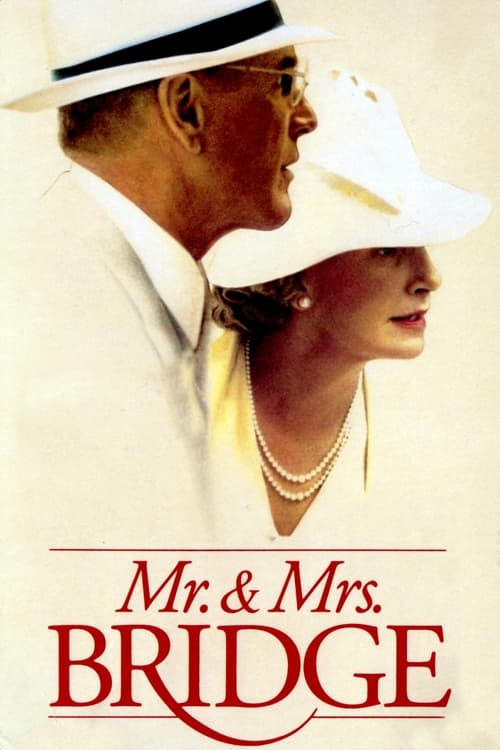
Mr. & Mrs. Bridge
1990
No user ratings available yet
Representation score: 2.3 out of 10

Representation Score
Good
1998
RDirector
James Ivory
Runtime
127 minutes
Average Rating
No ratings yetNew Showbiz Analysis
James Ivory’s drama provides a nuanced look at gendered power dynamics and the instability of the Western domestic ideal. It successfully challenges the heroic military family archetype by emphasizing systemic dysfunction and emotional costs. However, the film operates within a historically homogeneous context. The lack of diverse racial backgrounds and the absence of LGBTQ+ perspectives limit its broader social impact. Ultimately, the work focuses on the internal conflicts and moral dilemmas faced by individuals within a family setting.
Category Breakdown
The film does not prominently feature LGBTQ+ characters or storylines. Themes related to sexual discovery are presented through heterosexual perspectives, focusing on adolescent experiences and infidelity rather than queer identities.
The narrative emphasizes the emotional journey of female characters. It challenges traditional gender roles by focusing on women navigating the consequences of infidelity and the constraints of wartime social roles.
The cast is mainly composed of white actors, reflecting the socioeconomic status of the military and political elite. The story lacks significant minority characters with substantial roles or diverse backgrounds.
The film questions traditional Western institutions such as the nuclear family and military social order. It challenges mid-century morality by depicting the breakdown of marriage and unconventional family structures.
Psychological distress and alcoholism are used as dramatic devices for character development. These elements highlight personal tragedy rather than exploring the ability to act of individuals with disabilities.
Present on Screen
Limited or Absent
Official Synopsis
This fictionalized story, based on the family life of writer James Jones, is an emotional slice-of-life story. Jones is portrayed here as Bill Willis, a former war hero turned author who combats alcoholism and is starting to experience health problems. Living in France with his wife, daughter, and an adopted son, the family travels an unconventional road which casts them as outsiders to others. Preaching a sexual freedom, his daughter's sexual discovery begins at an early age and betrays her when the family moves to Hanover in America. Her overt sexuality clashes with the values of her teenage American peers and gives her a problematic reputation. Meanwhile, her brooding brother copes with his own interior pain regarding his past, only comfortable communicating within the domestic space.
1990

1984

1961

1983

1992

1945

1995
1989
No reviews yet. Be the first to share your thoughts on this movie!
Use the rating form above to leave a star rating and optional review.