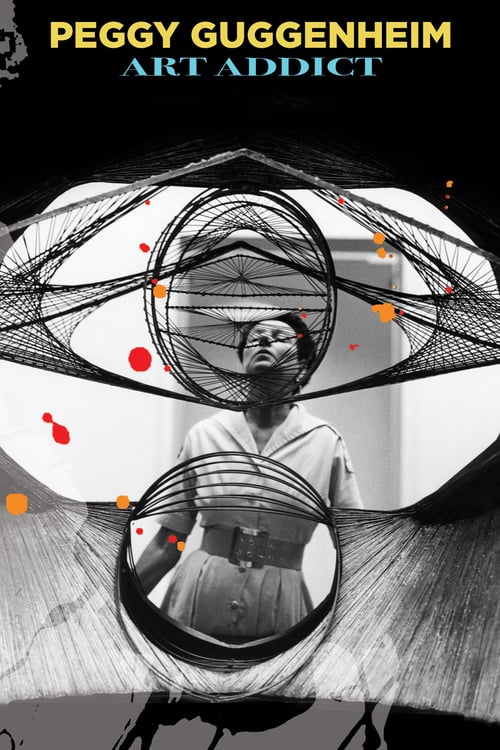
Peggy Guggenheim: Art Addict
2015
No user ratings available yet
Diversity score: 5.2 out of 10
2008
TV-14Director
Nancy Porter
Runtime
82 minutes
Average Rating
No ratings yetSynopsis
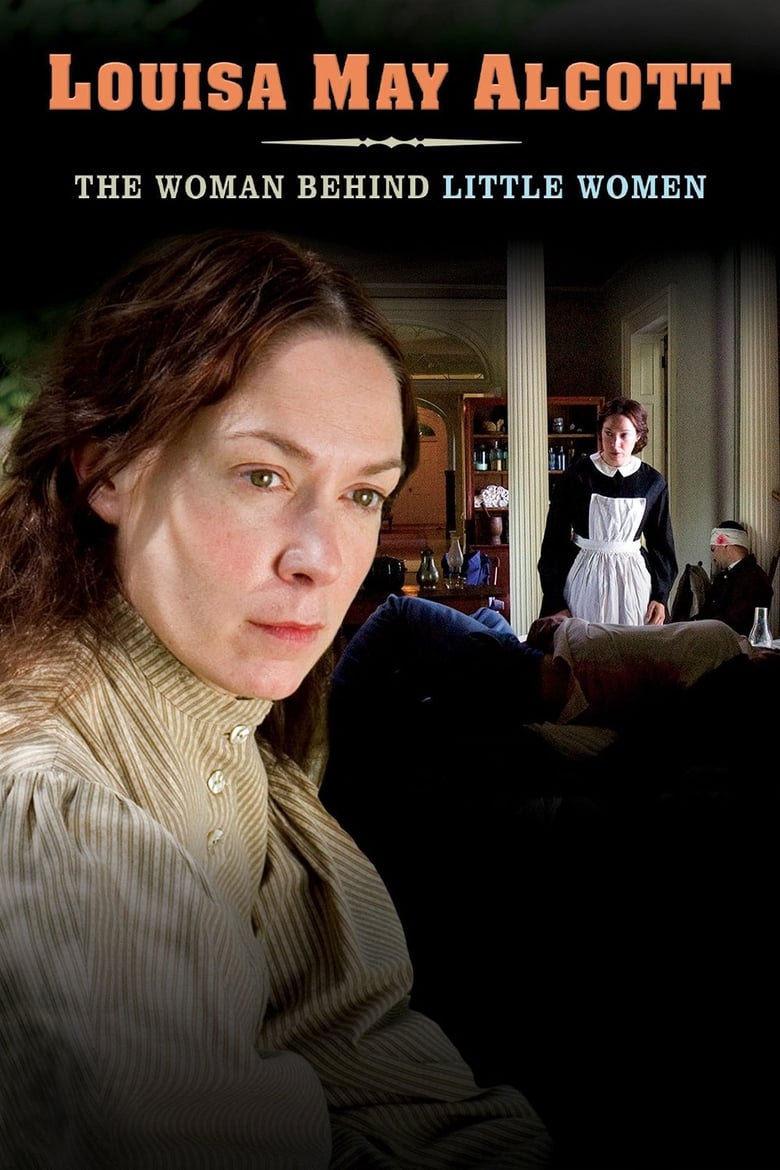
Louisa May Alcott, author of "Little Women," leads a literary double life, writing under the pseudonym A.M. Barnard, an identity that remains until the 1940s.
Overall Score
Fair
Category Breakdown
LGBTQ+ Representation
The film explores identity through Alcott’s use of the A.M. Barnard pseudonym. This subverts heteronormative expectations by highlighting gender performance in her professional life. It offers a sophisticated look at non-cisnormative expression.
Gender Representation
The narrative centers on female intellect and professional ambition. It portrays Alcott’s drive for independence as a direct challenge to 19th-century patriarchal structures and restrictive domestic expectations.
Racial & Ethnic Diversity
The film maintains a homogeneous cast focused on white, New England intellectual circles. It lacks intentional casting diversity or non-Anglo-Saxon perspectives within the Alcott family narrative.
Religious & Cultural Diversity
The story frames the struggle against poverty and capitalist structures as a central conflict. It uses Transcendentalist philosophy to prioritize individual conscience over rigid religious dogma.
Disability Representation
There is no discernible focus on physical or neurodivergent disabilities. The narrative prioritizes socioeconomic and gender-based struggles instead.
Strengths
Areas for Improvement
AI Analysis
This documentary-drama succeeds as a study of gendered agency and the deconstruction of historical social norms. By focusing on Alcott's literary double life, it provides a nuanced look at how women navigated professional identities under restrictive social structures. However, the film is limited by its narrow historical and racial scope. The focus remains strictly within white, Transcendentalist intellectual circles, offering little representation of diverse racial or ethnic perspectives from the era. Ultimately, the work is strongest when examining the subversion of traditional gender roles and the pursuit of female intellectual autonomy.
2015

2023
2015
2002
2021
2016
1984
2021
2016
2016

2015
2022
No reviews yet. Be the first to share your thoughts on this movie!
Use the rating form above to leave a star rating and optional review.