Half the Picture
2018
No user ratings available yet
Representation score: 6.6 out of 10
Representation Score
Good
2016
Director
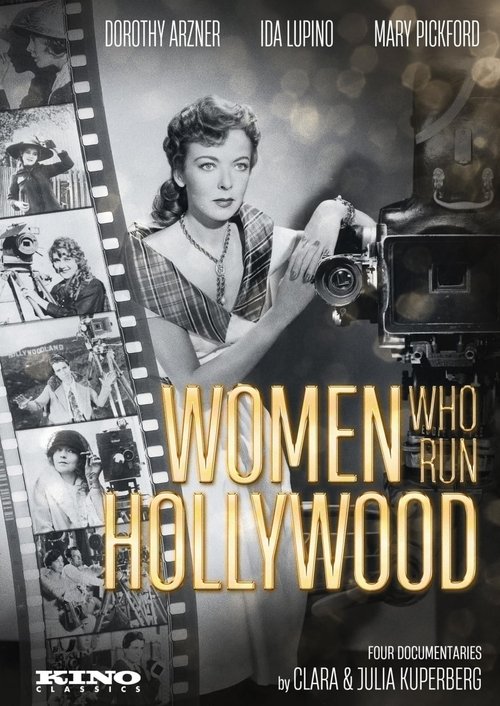
Clara Kuperberg, Julia Kuperberg
Runtime
52 minutes
Average Rating
No ratings yetNew Showbiz Analysis
The documentary serves as a tool to correct the historical record, challenging the traditional narrative that overlooks women's contributions to cinema. It reframes women not as outliers but as essential figures in the development of the medium. The film's main strength lies in its ability to disrupt the conventional narrative of Hollywood history. It effectively highlights the significant gap between the contributions of women and their recognition by the industry. However, the film's scope is somewhat limited. While it excels in critiquing gender-based exclusions, it lacks depth in addressing issues related to racial diversity and disability.
Category Breakdown
The film highlights the role of women in challenging traditional gender roles, specifically through the work of Dorothy Arzner. Although it doesn't delve deeply into specific queer relationships, it suggests an awareness of non-traditional gender dynamics.
This documentary directly challenges the dominance of male leadership in Hollywood by focusing on pioneering women like Alice Guy and Lois Weber. It emphasizes women's crucial role in shaping the history of cinema.
The film primarily addresses the exclusion of women from the film industry, but it does not provide much detail about how race intersects with gender. There is limited discussion about the experiences of women of color.
By presenting a revised version of film history, the documentary questions the established Western narrative. It highlights how the industry has historically overlooked the contributions of female filmmakers.
There is no information provided about the portrayal of physical or cognitive disabilities in this documentary.
Present on Screen
Limited or Absent
Official Synopsis
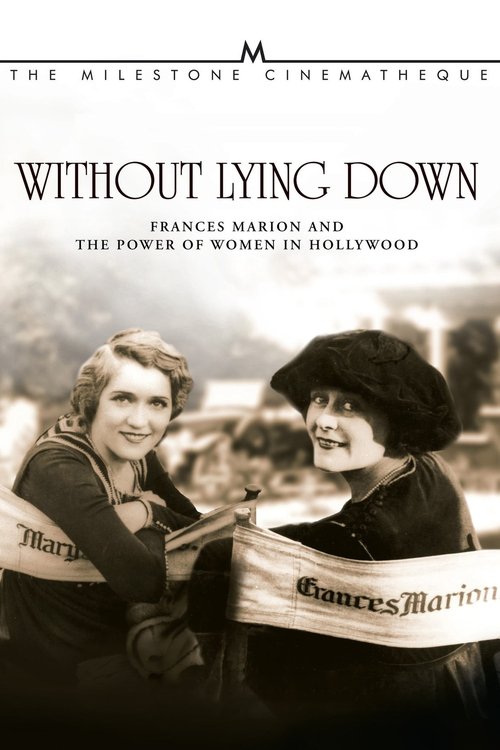
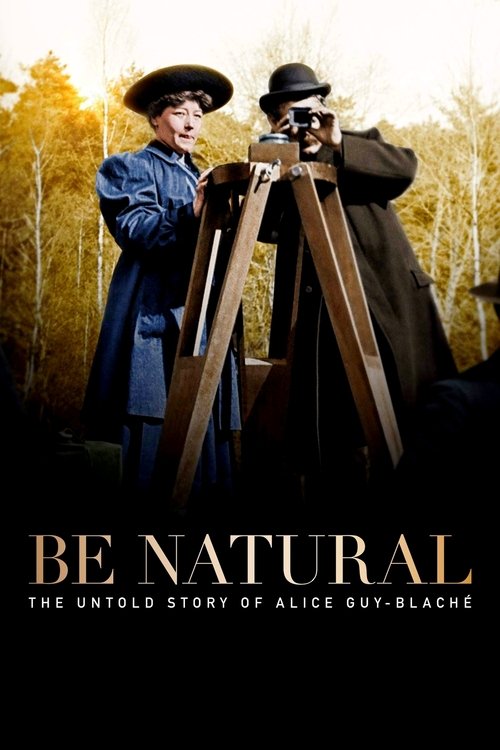
The first talkie was directed by Alice Guy, the first color film was produced by Lois Weber, who directed more than 300 films over 10 years. Frances Marion wrote screenplays for the Hollywood Star Mary Pickford and won two Oscars, Dorothy Arzner was the most powerful film director in Hollywood. And what do all of them have in common? They are all women and they have all been forgotten. Incredibly, it also took until 2010 for the first woman, Kathryn Bigelow, to win the Oscar for Best Director. Even if underrepresented women have always played a big part in Hollywood and it is this part of the film history left untold that this documentary sets out to uncover.
2018

2018
1995
2019
2000
2020
2018

2025
No reviews yet. Be the first to share your thoughts on this movie!
Use the rating form above to leave a star rating and optional review.