Love
1986
No user ratings available yet
Representation score: 5.1 out of 10
Representation Score
Limited
2003
Director
Pedro Costa, João Fiadeiro, Gustavo Sumpta
Runtime
8 minutes
Average Rating
No ratings yetNew Showbiz Analysis
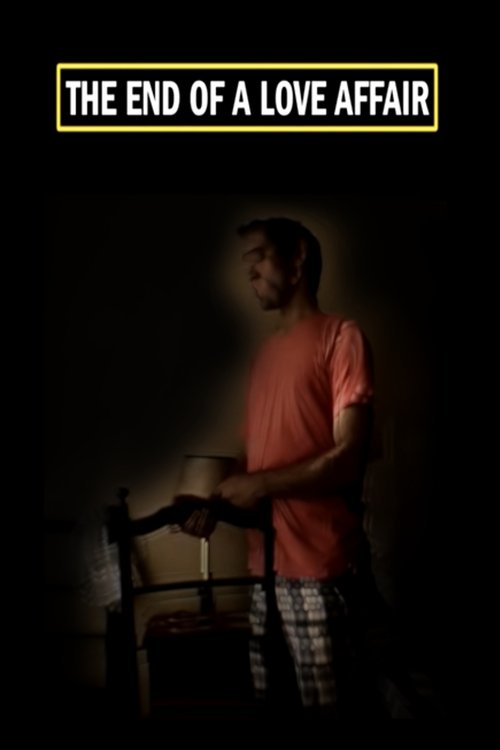
This single-shot film serves as a minimalist exploration of romantic closure. It succeeds by challenging conventional narrative momentum, opting instead for a contemplative study of emotional residue and atmosphere. The directors' background suggests an intention to focus on non-traditional structures and marginality. However, the extreme brevity and lack of explicit character dialogue prevent a more definitive assessment of specific demographic representation. Overall, the film aligns with progressive cinematic values by prioritizing subjective, non-linear experiences of loss over traditional plot structures.
Category Breakdown
The film examines the breakdown of a romantic relationship using minimalistic techniques. Although there are no clear identity markers, the underlying themes allow for interpretations of non-traditional relational dynamics.
The work breaks down traditional masculine stereotypes by avoiding active pursuit. Instead, it emphasizes a vulnerable, introspective perspective over the typical hero's journey or romantic conquest.
There is insufficient visual or narrative evidence to assess the racial composition of the cast or the presence of diverse ethnic perspectives.
By incorporating Billie Holiday’s music, the film addresses emotional displacement. It presents a secular, existentialist view of human connection rather than traditional religious frameworks.
There is no explicit evidence to suggest the presence of neurodivergent or physical disabilities as central narrative elements.
Present on Screen
Limited or Absent
Official Synopsis
A man is standing at the window, holding a chair. There are wafts of street noise, and occasionally the curtain flutters. A dog is barking. Then, elegiac music sets in, a lavish string arrangement of Billie Holiday's The End of a Love Affair. With this one-shot film, Pedro Costa portrays the state of feeling of the afterwards of a love affair which led nowhere.
1986
1974
2004
2003
1992
1994
1988
1988
No reviews yet. Be the first to share your thoughts on this movie!
Use the rating form above to leave a star rating and optional review.