Night Music
1986
No user ratings available yet
Representation score: 0.0 out of 10
Representation Score
Minimal
1988
Director
Stan Brakhage
Runtime
7 minutes
Average Rating
No ratings yetNew Showbiz Analysis
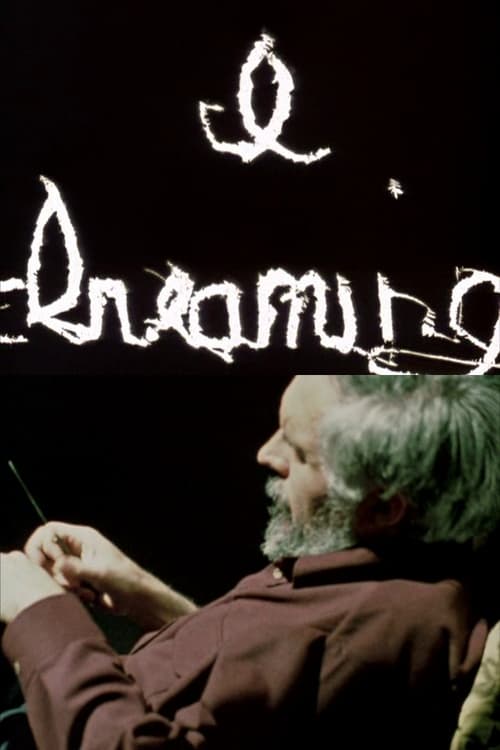
Stan Brakhage’s *I... Dreaming* is a work of formalist abstraction rather than social commentary. It avoids character-driven storytelling, which is key for diverse representation. Instead, it challenges traditional cinematic conventions through a fragmented, subjective experience focused on sensory exploration and existential themes. While the film does not engage with specific identity-based narratives, it offers a progressive stance by rejecting mainstream conventions and fostering a unique viewing experience.
Category Breakdown
The film focuses on abstract imagery without characters or interpersonal dynamics, so there are no LGBTQ+ identities present.
A solitary male figure and a female voice appear, but the film avoids traditional gender hierarchies. The female voice serves as the main auditory element, providing a neutral perspective on gender roles.
The film emphasizes macro-cinematography, light, and shadow. There are no visible depictions of racial or ethnic identities.
The film centers on individual psychological states and the deconstruction of dreams, rather than institutional values or organized religion.
The film examines the mechanics of vision and perception. It does not depict characters with physical or neurodivergent disabilities.
Present on Screen
Limited or Absent
Official Synopsis
Phrases of Stephen Foster, set to music by Joel Heartling, are set to film in this autobiographical piece: a solitary female voice, occasionally joined by a chorus, sings phrases of sorrow as we watch a solitary man in shadows in an unadorned house: he stretches out, he picks his feet, he walks across a room, he rocks in a chair. Occasionally he watches two young children at play; the film sometimes speeds up. Handwritten words, like "dark void" and "waiting longing," cross the screen. Film and phrases often come in short bursts. Outdoor it looks gray and cold.
1986
2010
1989
1958
1993
1968
1987
1994
No reviews yet. Be the first to share your thoughts on this movie!
Use the rating form above to leave a star rating and optional review.