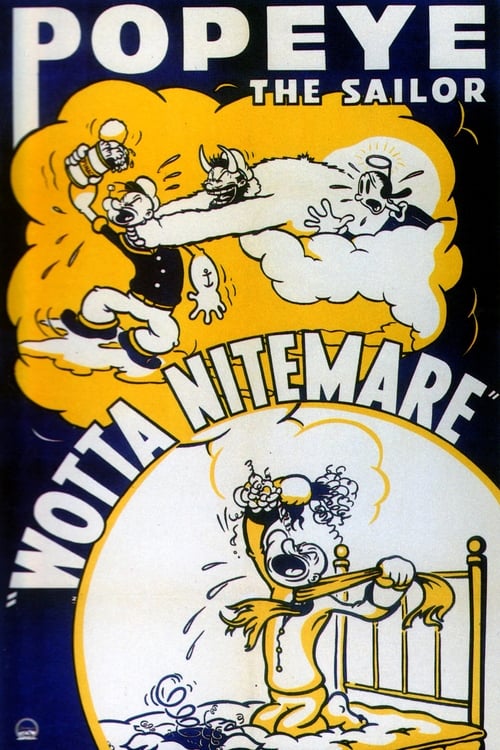
Wotta Nitemare
1939
No user ratings available yet
Representation score: 0.4 out of 10
Representation Score
Minimal
1934
Director
Dave Fleischer
Runtime
7 minutes
Average Rating
No ratings yetNew Showbiz Analysis
This 1934 Fleischer short relies heavily on established era-specific archetypes. The narrative is driven by a standard romantic rivalry that places the female lead in a passive, vulnerable position. While the film avoids traditional domesticity through its chaotic, non-linear slapstick, it fails to provide meaningful representation for underrepresented groups. The characters exist within a homogeneous social framework typical of early American animation. Ultimately, the film prioritizes physical comedy and situational ethics over any intentional subversion of social hierarchies or multi-layered complexity.
Category Breakdown
The film does not include any LGBTQ+ characters or narratives. The storyline revolves around a traditional competition between two men for a woman's affection.
Olive Oyl serves as a passive catalyst for male conflict rather than an active participant. While she is treated as a prize, the slapstick chaos deconstructs the idea of the heroic protector.
The cast is uniform, reflecting the animation standards of 1934. There is no indication of non-white or non-Anglo-Saxon representation in this short.
The setting lacks institutional stability, favoring a chaotic construction site over moralistic structures. It does not offer explicit critiques of systemic issues or diverse cultural frameworks.
Sleepwalking is used solely as a comedic device to advance the plot. The condition is employed to create peril and slapstick humor rather than a nuanced exploration of the condition.
Present on Screen
Limited or Absent
Official Synopsis
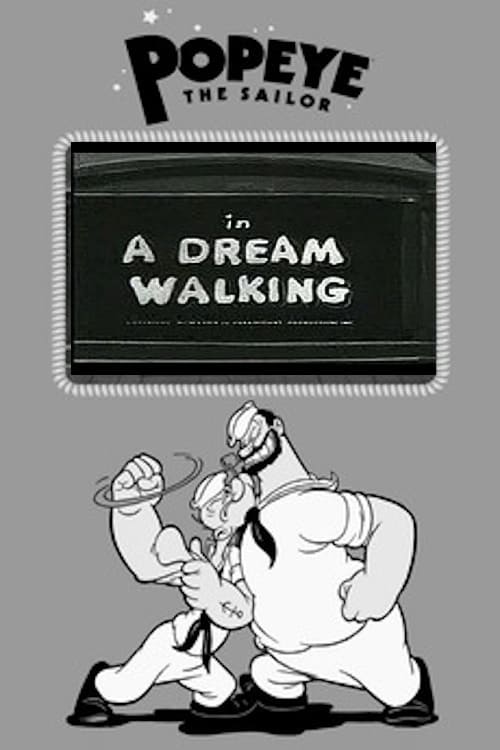
Popeye and Bluto each wants to save Olive as she sleepwalks onto a construction site. But most of their efforts go into preventing each other from being the hero.
1939
1936
1937
1936
1934
1936
1937
1934
No reviews yet. Be the first to share your thoughts on this movie!
Use the rating form above to leave a star rating and optional review.