I Wanna Be a Life Guard
1936
No user ratings available yet
Representation score: 0.4 out of 10
Representation Score
Minimal
1936
ApprovedDirector
Dave Fleischer
Runtime
6 minutes
Average Rating
No ratings yetNew Showbiz Analysis
This 1936 short is a classic example of its time, emphasizing slapstick humor over social complexity. The narrative heavily depends on established clichés, especially the 'woman as prize' dynamic that restricts female independence. While the animation is pioneering for its era, the character demographics are very limited. The film serves as escapist entertainment that upholds the social hierarchies and institutional stability of the mid-1930s. Ultimately, the work does not aim to challenge traditional gender or racial norms, choosing instead a conventional and homogeneous portrayal of its characters.
Category Breakdown
The story focuses on a romantic rivalry between Popeye and Bluto, which is centered around the assumption that everyone is straight. There is no indication of queer subtext or diverse gender identities.
Male characters have all the main roles and control the story, while Olive serves mainly as a plot device rather than an independent character. The military setting emphasizes traditional masculine stereotypes.
The character designs do not include a range of races and reflect the era's predominantly white standards. There is no effort to include a diverse mix of ethnicities.
The film portrays the military as a place of light-hearted, comedic order. It upholds traditional Western institutions without questioning their underlying systems.
Characters are defined by their physical strength and resilience in slapstick situations. There is no meaningful depiction of neurodivergence or experiences with physical disabilities.
Present on Screen
Limited or Absent
Official Synopsis
Olive tells Popeye and Bluto that she loves a man in a uniform, so they try to sign up at the recruiting station - that can only take one of them.
1936
1936
1935
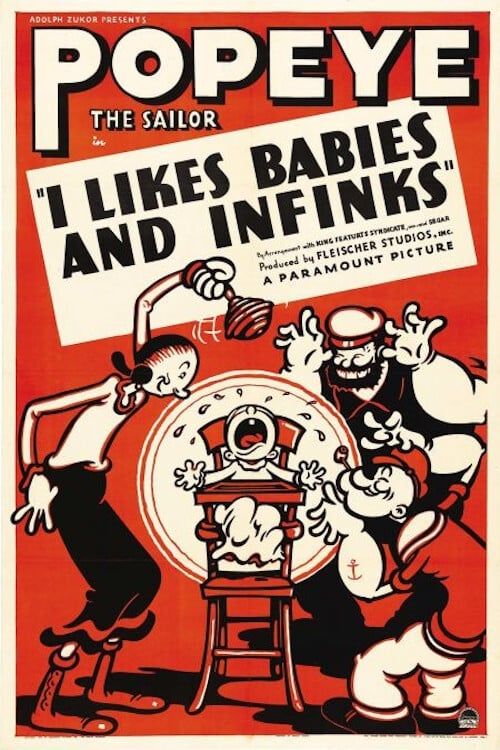
1937
1936
1937
1933
1936
No reviews yet. Be the first to share your thoughts on this movie!
Use the rating form above to leave a star rating and optional review.