Shoein' Hosses
1934
No user ratings available yet
Representation score: 1.1 out of 10
Representation Score
Minimal
1936
Director
Dave Fleischer
Runtime
6 minutes
Average Rating
No ratings yetNew Showbiz Analysis
This 1936 short is a quintessential product of its era, prioritizing high-energy slapstick over narrative complexity. Character dynamics are built on established archetypes that reinforce the social and gender hierarchies of the early 20th century. The film lacks intentionality regarding diverse representation. It functions as a closed loop of physical gags, where characters exist to fulfill comedic roles rather than to challenge or expand upon social norms. Ultimately, the work provides a homogeneous view of the world, focusing on a traditional romantic rivalry and power structures without any meaningful engagement with diverse identities or systemic critiques.
Category Breakdown
The film does not depict any non-straight relationships or same-sex intimacy. The plot centers around a traditional romantic rivalry between Popeye and Bluto for Olive Oyl.
Olive Oyl mainly serves as a catalyst for male competition rather than an independent agent. The narrative emphasizes traditional masculine struggles for dominance and romantic conquest.
The cast includes anthropomorphic characters within a racially homogeneous environment. The setting reflects the social standards of 1930s animation, lacking non-Anglo-Saxon representation.
The story follows a standard slapstick framework without engaging in cultural or systemic critiques. Social order is presented as a comedic backdrop rather than a subject for deconstruction.
There is no representation of characters with visible or invisible disabilities. Physical comedy relies on exaggerated movement and bodily impact without meaningful engagement with neurodivergence or disability.
Present on Screen
Limited or Absent
Official Synopsis
Popeye applies for a lifeguard job when he sees Olive in the pool, but Bluto also wants the job (and Olive). The manager, Wimpy, asks them to demonstrate their skills in a contest. Popeye does well, until Bluto demonstrates lifesaving and first aid on him.
1934
1934
1937
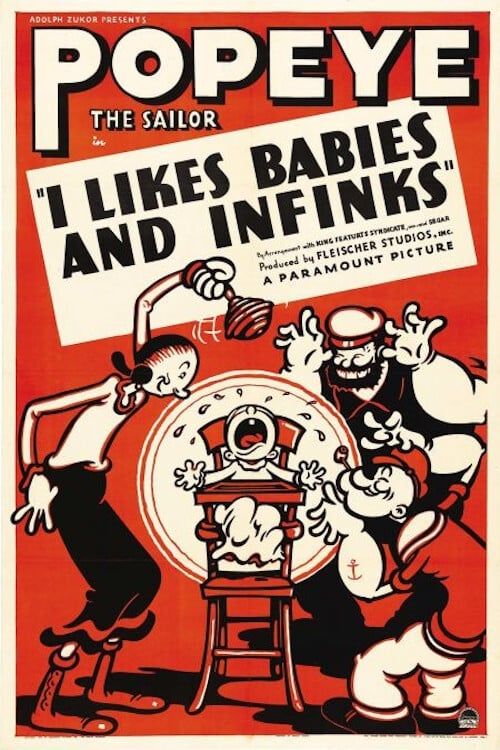
1937
1934
1936
1937
1936
No reviews yet. Be the first to share your thoughts on this movie!
Use the rating form above to leave a star rating and optional review.